

Integrated & Holistic Homeopathic Treatment for People Living with Cancer in Dubai (Supportive Care)
Comprehensive Homeopathic Supportive Care for Cancer Patients in Dubai
A diagnosis of cancer can be physically, emotionally, and psychologically challenging for both patients and their families. Modern oncology has made remarkable advances in cancer treatment through surgery, chemotherapy, radiotherapy, immunotherapy, hormone therapy, targeted therapy, and other evidence-based medical treatments. These therapies remain the cornerstone of cancer management and have significantly improved survival and quality of life for millions of patients worldwide.
Many cancer patients, however, seek additional complementary therapies to help manage symptoms related to the disease itself or the side effects associated with conventional cancer treatment. The goal of supportive care is to improve comfort, enhance quality of life, and help patients cope with the physical and emotional challenges experienced throughout their cancer journey.
At Advance Homeopathy Clinic Dubai, we provide individualized homeopathic supportive care for patients living with cancer. Homeopathy is offered only as a complementary therapy alongside conventional oncology treatment and never as a replacement for evidence-based cancer care. We strongly encourage every patient to continue treatment recommended by their oncologist and to maintain regular follow-up with their oncology team throughout their treatment journey.
Our experienced homeopathic doctors perform a comprehensive medical evaluation that includes your cancer diagnosis, stage of disease, current oncology treatment, medical history, presenting symptoms, treatment-related side effects, emotional well-being, and overall health before developing an individualized homeopathic supportive care plan.
Our clinic provides supportive homeopathic care for patients with various cancers, including Breast Cancer, Lung Cancer, Colorectal Cancer, Prostate Cancer, Thyroid Cancer, Ovarian Cancer, Cervical Cancer, Endometrial Cancer, Oral Cancer, Head & Neck Cancer, Lymphoma, and Leukemia.
Patients from more than 20 countries and over 100 nationalities have trusted Advance Homeopathy Clinic Dubai for individualized homeopathic care. We provide both in-clinic and online consultations, together with a Free First Consultation, allowing you to understand whether homeopathy may play an appropriate complementary role as part of your overall cancer care.
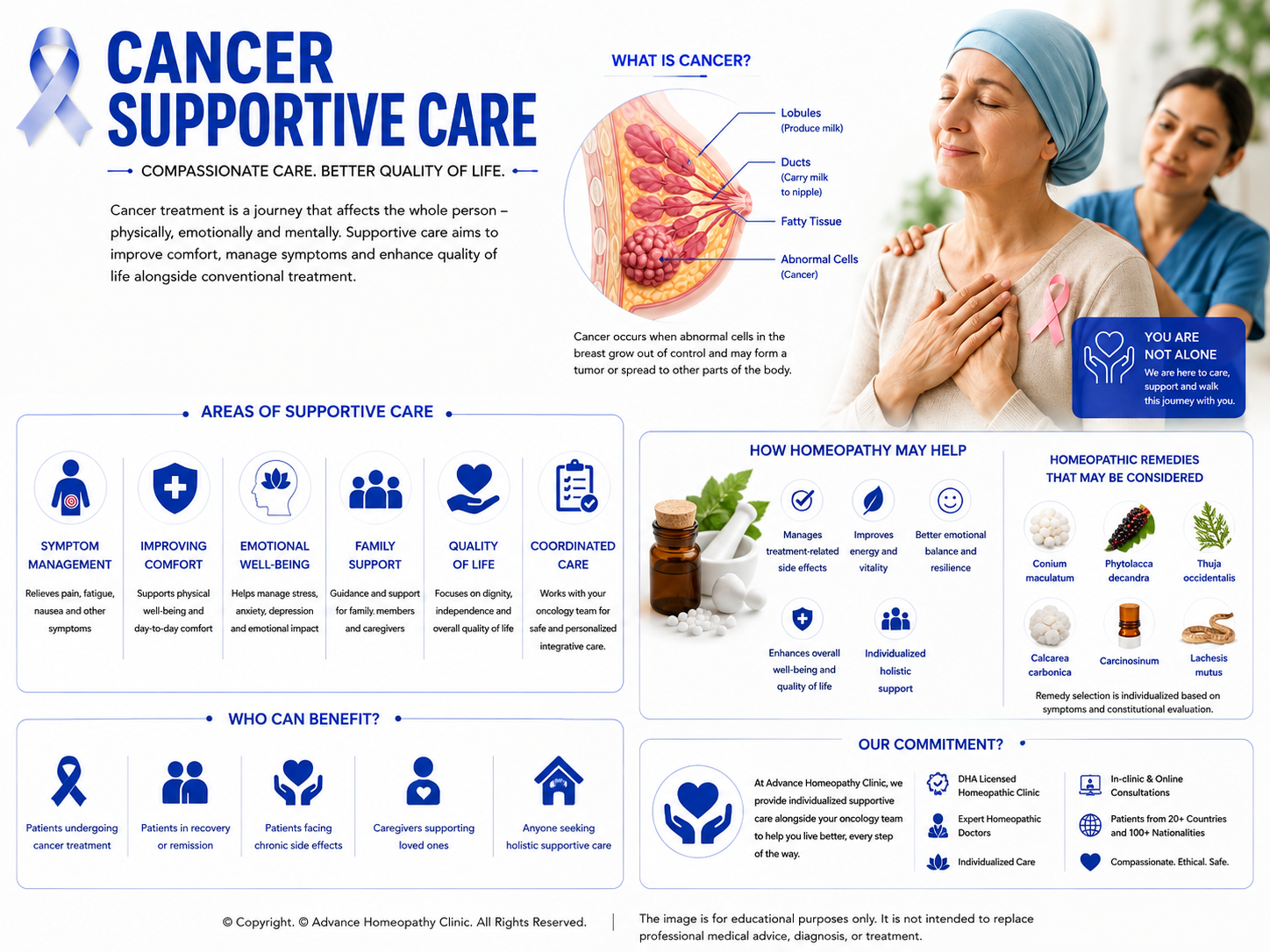
Understanding Cancer and Integrative Oncology
Cancer is a group of diseases in which abnormal cells grow uncontrollably and may invade nearby tissues or spread to other parts of the body. More than 200 different types of cancer have been identified, and each behaves differently depending on its origin, stage, biological characteristics, and the individual's overall health.
Modern cancer treatment is highly individualized and may involve one or more treatment modalities depending on the type and stage of cancer. While these treatments have significantly improved survival, they may also be associated with physical symptoms and treatment-related side effects that require comprehensive supportive care.
Integrative Oncology is an evidence-informed approach that combines standard cancer treatment with selected complementary therapies aimed at improving symptom control, quality of life, emotional well-being, and supportive care. Homeopathy is one of several complementary therapies that some patients choose to incorporate into their overall cancer care after discussing it with their healthcare team.
How Homeopathy May Support Cancer Patients
Homeopathy does not replace conventional cancer treatment. Instead, it may be considered as part of an individualized supportive care plan for selected patients receiving oncology treatment or recovering after treatment.
Depending on the individual's clinical condition, homeopathic supportive care may be considered to help manage symptoms such as:
- Cancer-related pain
- Fatigue and weakness
- Loss of appetite
- Nausea and vomiting
- Mouth ulcers (oral mucositis)
- Dry mouth
- Difficulty swallowing
- Radiation-induced skin irritation
- Peripheral neuropathy
- Sleep disturbances
- Anxiety and emotional stress
- General quality of life
In selected patients, experienced homeopathic physicians may also prescribe individualized medicines to help manage symptoms directly associated with the tumour itself, including:
- Bleeding
- Offensive discharge
- Ulceration
- Foul-smelling wounds
- Pain related to local tumour involvement
Every patient is unique. The selection of homeopathic medicines is individualized and depends on the patient's diagnosis, current oncology treatment, symptom profile, medical history, and overall health.
1. Breast Cancer
What is Breast Cancer?
Breast cancer is the most common cancer affecting women worldwide, although it can also occur in men. It develops when abnormal cells within the breast tissue begin to grow uncontrollably, forming a tumour that may remain localized or spread to nearby lymph nodes and other organs if left untreated.
Advances in early detection and modern oncology have significantly improved survival rates. Depending on the stage and biological characteristics of the tumour, treatment may include surgery, chemotherapy, radiotherapy, hormone therapy, targeted therapy, immunotherapy, or a combination of these approaches.
Many patients seek complementary supportive care during or after conventional treatment to help manage symptoms, treatment-related side effects, and overall quality of life.

Common Symptoms of Breast Cancer
- Breast lump or thickening
- Change in breast size or shape
- Skin dimpling or puckering
- Nipple discharge (especially blood-stained)
- Nipple inversion
- Redness or swelling of the breast
- Persistent breast pain (less common)
- Swollen lymph nodes in the armpit
Risk Factors for Breast Cancer
- Increasing age
- Family history of breast cancer
- Genetic mutations (BRCA1, BRCA2)
- Hormonal factors
- Obesity
- Alcohol consumption
- Previous radiation exposure
- Certain benign breast conditions
Conventional Treatment for Breast Cancer
Treatment depends on the stage and biological subtype of the cancer. Conventional management may include breast-conserving surgery or mastectomy, chemotherapy, radiotherapy, hormone therapy, targeted therapy, immunotherapy, and long-term follow-up with the oncology team.
Homeopathic Medicines Commonly Considered in Supportive Cancer Care
Some homeopathic medicines that experienced homeopathic physicians may consider as part of an individualized supportive care plan include:
- Carcinosinum
- Conium Maculatum
- Phytolacca Decandra
- Scrophularia Nodosa
- Hydrastis Canadensis
Homeopathic medicines should only be prescribed by a qualified homeopathic physician after an individualized clinical evaluation.
Important: Complementary Care for Breast Cancer
Breast cancer should always be managed by a multidisciplinary oncology team to establish an accurate diagnosis, determine the stage of disease, evaluate tumour biology, and develop an individualized treatment plan. Appropriate evaluation includes histopathological confirmation, assessment of hormone receptor and HER2 status where indicated, imaging studies, staging investigations, and other diagnostic procedures recommended by the treating oncology team.
Patients diagnosed with breast cancer may be considered for individualized supportive homeopathic care as a complementary approach alongside evidence-based oncology treatment following appropriate medical evaluation. Homeopathy may be integrated with surgery, chemotherapy, radiotherapy, hormone therapy, targeted therapy, immunotherapy, rehabilitation, nutritional support, psychological care, and other supportive measures recommended by the oncology team. Throughout treatment, patients should continue all prescribed cancer therapies and attend regular follow-up appointments with their oncologist.
The primary role of supportive homeopathic care is to provide individualized patient-centred support during the cancer journey. Depending on the patient's clinical presentation, treatment stage, and overall health, homeopathic care may be considered alongside conventional oncology management to support overall well-being and address selected treatment-related symptoms as part of a comprehensive supportive care plan. Homeopathy should not be regarded as a substitute for surgery, chemotherapy, radiotherapy, endocrine therapy, targeted therapy, immunotherapy, or any other evidence-based cancer treatment recommended by the oncology team.
Patients who develop high fever during chemotherapy, severe shortness of breath, chest pain, uncontrolled bleeding, rapidly worsening pain, sudden neurological symptoms, severe dehydration from persistent vomiting or diarrhoea, or any other acute complication during cancer treatment should seek immediate medical attention, as these situations may represent oncological emergencies requiring urgent specialist care.
2. Lung Cancer
What is Lung Cancer?
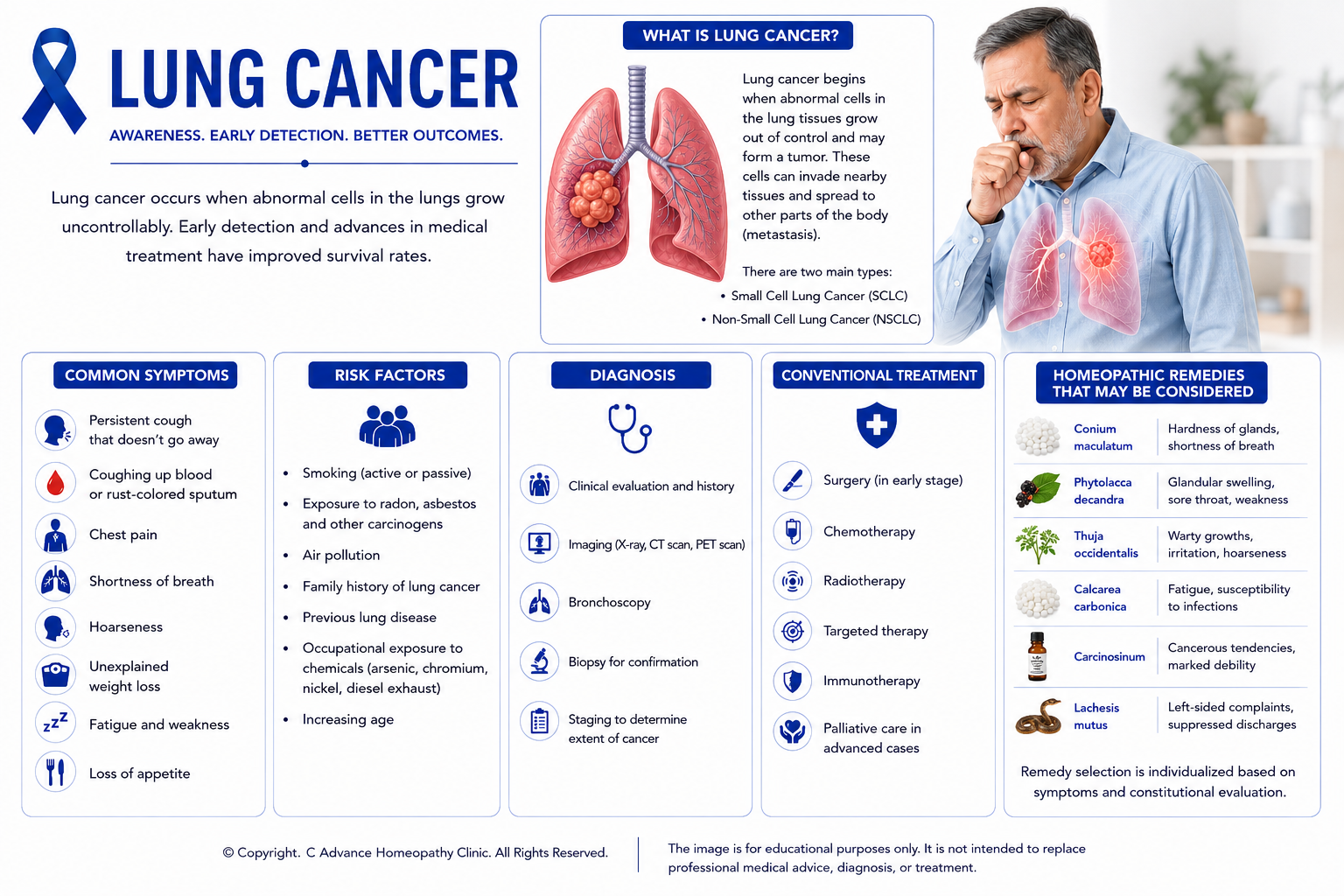
Lung cancer develops when abnormal cells within the lungs grow uncontrollably and form a malignant tumour. It is one of the leading causes of cancer-related deaths worldwide. Although cigarette smoking remains the most significant risk factor, lung cancer can also occur in non-smokers due to genetic factors, environmental pollution, occupational exposure, and other causes.
Treatment depends on the type of lung cancer, stage of disease, molecular characteristics, and the patient's overall health. Early diagnosis and prompt oncology treatment play a crucial role in improving outcomes.
Common Symptoms of Lung Cancer
- Persistent cough
- Coughing up blood
- Chest pain
- Shortness of breath
- Hoarseness
- Unexplained weight loss
- Fatigue
- Recurrent chest infections
Risk Factors for Lung Cancer
- Cigarette smoking
- Passive smoking
- Radon exposure
- Occupational exposure to asbestos and other carcinogens
- Air pollution
- Family history of lung cancer
Conventional Treatment for Lung Cancer
Treatment may include surgery, chemotherapy, radiotherapy, immunotherapy, targeted therapy, or combinations of these treatments depending on the stage and molecular characteristics of the cancer.
Homeopathic Medicines Commonly Considered in Supportive Cancer Care
Some homeopathic medicines that experienced homeopathic physicians may consider as part of an individualized supportive care plan include:
- Carcinosinum
- Kali Carbonicum
- Phosphorus
- Arsenicum Album
- Hydrastis Canadensis
Homeopathic medicines should only be prescribed by a qualified homeopathic physician after an individualized clinical evaluation.
Important: Complementary Care for Lung Cancer
Lung cancer should always be managed by a multidisciplinary oncology team to establish an accurate diagnosis, determine the stage of disease, identify the histological subtype and molecular characteristics where appropriate, and develop an individualized treatment plan. Appropriate evaluation includes imaging studies, bronchoscopy or tissue biopsy, histopathological examination, molecular testing where indicated, staging investigations, and other diagnostic procedures recommended by the treating oncology team.
Patients diagnosed with lung cancer may be considered for individualized supportive homeopathic care as a complementary approach alongside evidence-based oncology treatment following appropriate medical evaluation. Homeopathy may be integrated with surgery, chemotherapy, radiotherapy, targeted therapy, immunotherapy, pulmonary rehabilitation, nutritional support, smoking cessation programmes, palliative care, psychological support, and other supportive measures recommended by the oncology team. Patients should continue all prescribed cancer treatments and attend regular follow-up appointments throughout their treatment journey.
The primary role of supportive homeopathic care is to provide individualized patient-centred support during cancer treatment. Depending on the patient's clinical presentation, stage of disease, treatment plan, and overall health, homeopathy may be considered alongside conventional oncology management to support overall well-being and address selected treatment-related symptoms as part of a comprehensive supportive care plan. Homeopathy should not be regarded as a substitute for surgery, chemotherapy, radiotherapy, targeted therapy, immunotherapy, or any other evidence-based cancer treatment recommended by the oncology team.
Patients who develop severe breathlessness, coughing up significant amounts of blood, persistent chest pain, high fever during chemotherapy, sudden confusion, rapidly worsening respiratory symptoms, signs of superior vena cava obstruction (such as swelling of the face or neck), or any other acute complication during cancer treatment should seek immediate medical attention, as these situations may represent oncological emergencies requiring urgent specialist care.
3. Colorectal Cancer
What is Colorectal Cancer?
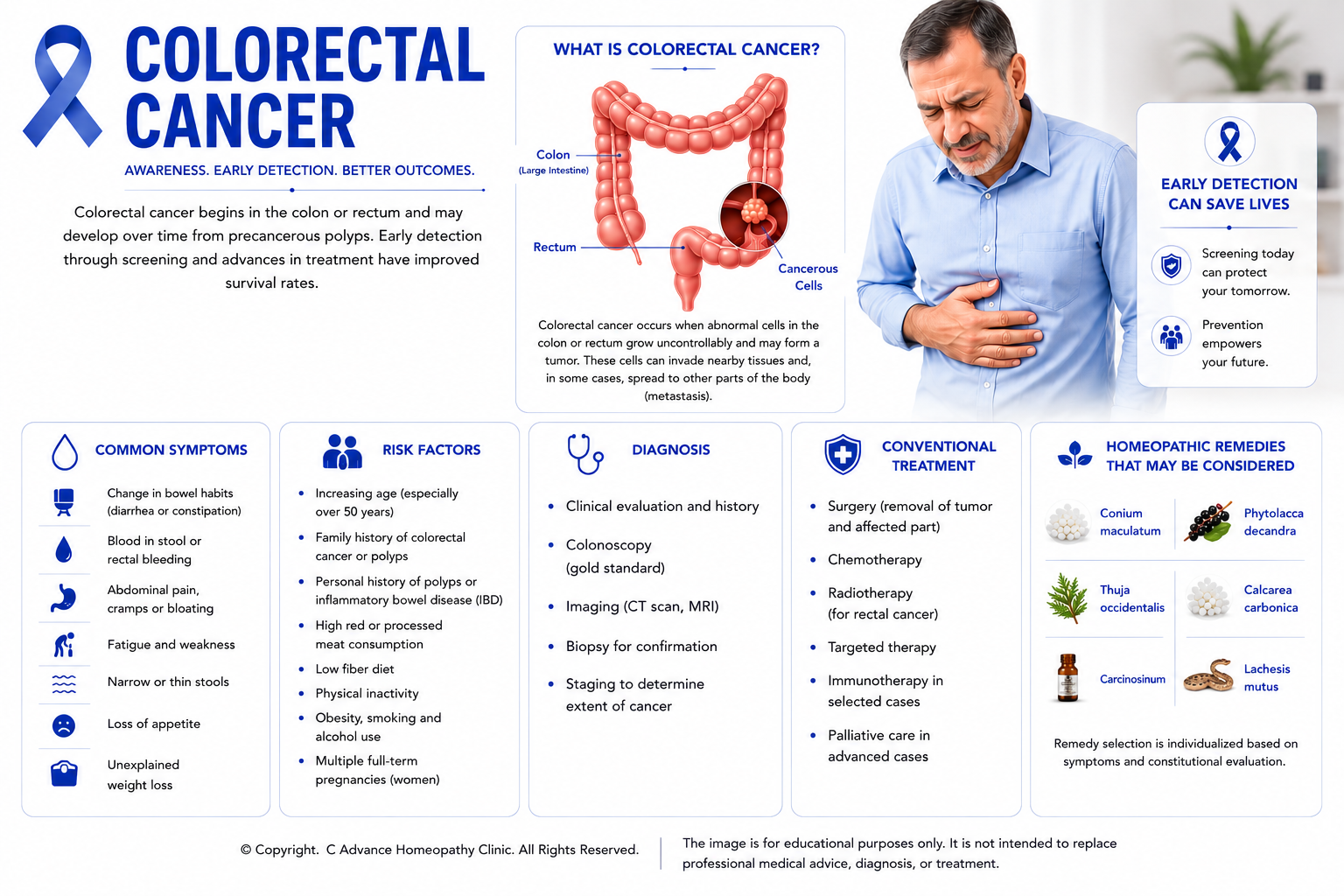
Colorectal cancer develops in the colon or rectum and is one of the most common cancers affecting both men and women. It often begins as benign polyps that gradually undergo malignant transformation over several years. Early detection through appropriate screening significantly improves treatment outcomes.
Many patients receive surgery together with chemotherapy, targeted therapy, immunotherapy, or radiotherapy depending on the location and stage of the disease. Complementary supportive care may help patients manage symptoms associated with the disease or its treatment while continuing conventional oncology care.
Common Symptoms of Colorectal Cancer
- Rectal bleeding
- Blood in the stool
- Persistent change in bowel habits
- Abdominal pain
- Unexplained weight loss
- Fatigue
- Iron deficiency anemia
Risk Factors for Colorectal Cancer
- Increasing age
- Family history
- Inflammatory bowel disease
- Obesity
- Smoking
- High consumption of processed and red meat
- Physical inactivity
Conventional Treatment for Colorectal Cancer
Treatment depends on the stage and location of the cancer and may include surgery, chemotherapy, radiotherapy (particularly for rectal cancer), targeted therapy, immunotherapy, and long-term surveillance.
Homeopathic Medicines Commonly Considered in Supportive Cancer Care
Some homeopathic medicines that experienced homeopathic physicians may consider as part of an individualized supportive care plan include:
- Hydrastis Canadensis
- Arsenicum Album
- Conium Maculatum
- Carbo Animalis
- Phosphorus
- Nitric Acid
- Kreosotum
- Cundurango
Homeopathic medicines should only be prescribed by a qualified homeopathic physician after an individualized clinical evaluation.
Important: Complementary Care for Colorectal Cancer
Colorectal cancer should always be managed by a multidisciplinary oncology team to establish an accurate diagnosis, determine the stage of disease, evaluate tumour pathology and molecular characteristics where appropriate, and develop an individualized treatment plan. Appropriate evaluation includes colonoscopy with tissue biopsy, histopathological examination, imaging studies for staging, molecular testing where indicated, and other diagnostic procedures recommended by the treating oncology team.
Patients diagnosed with colorectal cancer may be considered for individualized supportive homeopathic care as a complementary approach alongside evidence-based oncology treatment following appropriate medical evaluation. Homeopathy may be integrated with surgery, chemotherapy, targeted therapy, immunotherapy where indicated, radiotherapy for selected rectal cancers, nutritional support, stoma care when applicable, rehabilitation, psychological support, palliative care, and other supportive measures recommended by the oncology team. Patients should continue all prescribed cancer treatments and attend regular follow-up appointments throughout their treatment journey.
The primary role of supportive homeopathic care is to provide individualized patient-centred support during the cancer journey. Depending on the patient's clinical presentation, stage of disease, treatment plan, and overall health, homeopathy may be considered alongside conventional oncology management to support overall well-being and address selected treatment-related symptoms as part of a comprehensive supportive care plan. Homeopathy should not be regarded as a substitute for surgery, chemotherapy, radiotherapy, targeted therapy, immunotherapy, or any other evidence-based cancer treatment recommended by the oncology team.
Patients who develop severe abdominal pain, persistent vomiting, inability to pass stool or gas, significant rectal bleeding, high fever during chemotherapy, severe dehydration, sudden abdominal distension, or any other acute complication during cancer treatment should seek immediate medical attention, as these situations may represent oncological emergencies requiring urgent specialist care.
4. Prostate Cancer
What is Prostate Cancer?
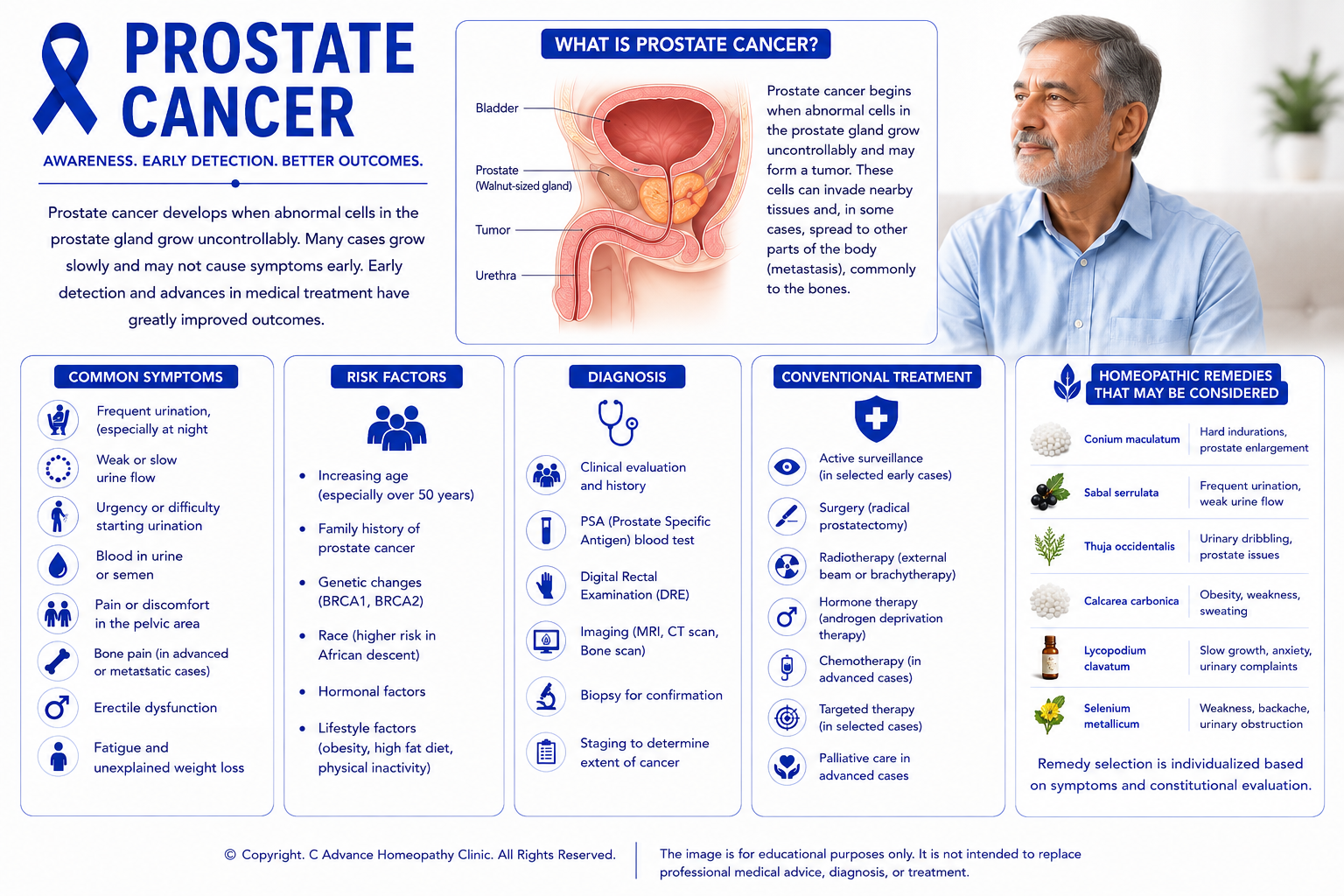
Prostate cancer develops in the prostate gland; a small gland located below the urinary bladder in men that produces part of the seminal fluid. It is one of the most common cancers affecting men worldwide. Many prostate cancers grow slowly and may remain confined to the prostate for years, while others are more aggressive and require prompt treatment.
Early-stage prostate cancer often causes no symptoms and is frequently detected during routine screening through prostate-specific antigen (PSA) testing or digital rectal examination. Treatment depends on the stage of disease, tumour characteristics, age, general health, and patient preferences.
Many patients seek complementary supportive care during or after conventional treatment to help improve comfort, manage treatment-related symptoms, and enhance overall quality of life.
Common Symptoms of Prostate Cancer
- Difficulty passing urine
- Weak urinary stream
- Increased frequency of urination
- Nocturia (frequent urination at night)
- Blood in urine or semen
- Pelvic discomfort
- Bone pain in advanced disease
- Unexplained weight loss
Risk Factors for Prostate Cancer
- Increasing age
- Family history
- Genetic predisposition
- Obesity
- African ancestry
- High-fat diet
Conventional Treatment for Prostate Cancer
Treatment depends on the stage and risk category of the cancer and may include active surveillance, surgery (radical prostatectomy), radiotherapy, hormone therapy (androgen deprivation therapy), chemotherapy, targeted therapy, immunotherapy, or combinations of these treatments.
Homeopathic Medicines Commonly Considered in Supportive Cancer Care
Some homeopathic medicines that experienced homeopathic physicians may consider as part of an individualized supportive care plan include:
- Conium Maculatum
- Sabal Serrulata
- Chimaphila Umbellata
- Thuja Occidentalis
- Baryta Carbonica
- Selenium Metallicum
- Pareira Brava
- Hydrastis Canadensis
Homeopathic medicines should only be prescribed by a qualified homeopathic physician after an individualized clinical evaluation.
Important: Complementary Care for Prostate Cancer
Prostate cancer should always be managed by a multidisciplinary oncology team to establish an accurate diagnosis, determine the stage and grade of the disease, evaluate the risk category, and develop an individualized treatment plan. Appropriate evaluation includes prostate biopsy with histopathological examination, PSA testing, imaging studies for staging, and additional investigations recommended by the treating oncology team, including molecular or genetic testing where clinically indicated.
Patients diagnosed with prostate cancer may be considered for individualized supportive homeopathic care as a complementary approach alongside evidence-based oncology treatment following appropriate medical evaluation. Homeopathy may be integrated with active surveillance where appropriate, surgery, radiotherapy, androgen deprivation therapy (hormone therapy), chemotherapy, newer hormonal agents, targeted therapies, supportive rehabilitation, psychological care, nutritional counselling, and other supportive measures recommended by the oncology team. Patients should continue all prescribed cancer treatments and attend regular follow-up appointments throughout their treatment journey.
The primary role of supportive homeopathic care is to provide individualized patient-centred support during the cancer journey. Depending on the patient's clinical presentation, stage of disease, treatment plan, and overall health, homeopathy may be considered alongside conventional oncology management to support overall well-being and address selected treatment-related symptoms as part of a comprehensive supportive care plan. Homeopathy should not be regarded as a substitute for active surveillance, surgery, radiotherapy, hormone therapy, chemotherapy, or any other evidence-based cancer treatment recommended by the oncology team.
Patients who develop inability to pass urine, severe bone pain, weakness or numbness in the legs, loss of bladder or bowel control, significant blood in the urine, high fever during chemotherapy, or any other acute complication during cancer treatment should seek immediate medical attention, as these situations may represent oncological emergencies requiring urgent specialist care.
5. Thyroid Cancer
What is Thyroid Cancer?
Thyroid cancer develops when abnormal cells arise within the thyroid gland located at the front of the neck. Most thyroid cancers are highly treatable, particularly when diagnosed early. The most common types include papillary thyroid carcinoma and follicular thyroid carcinoma, both of which generally have an excellent prognosis.
Treatment usually involves surgery and, in selected patients, radioactive iodine therapy, targeted therapy, or other specialized treatments depending on the cancer type and stage.
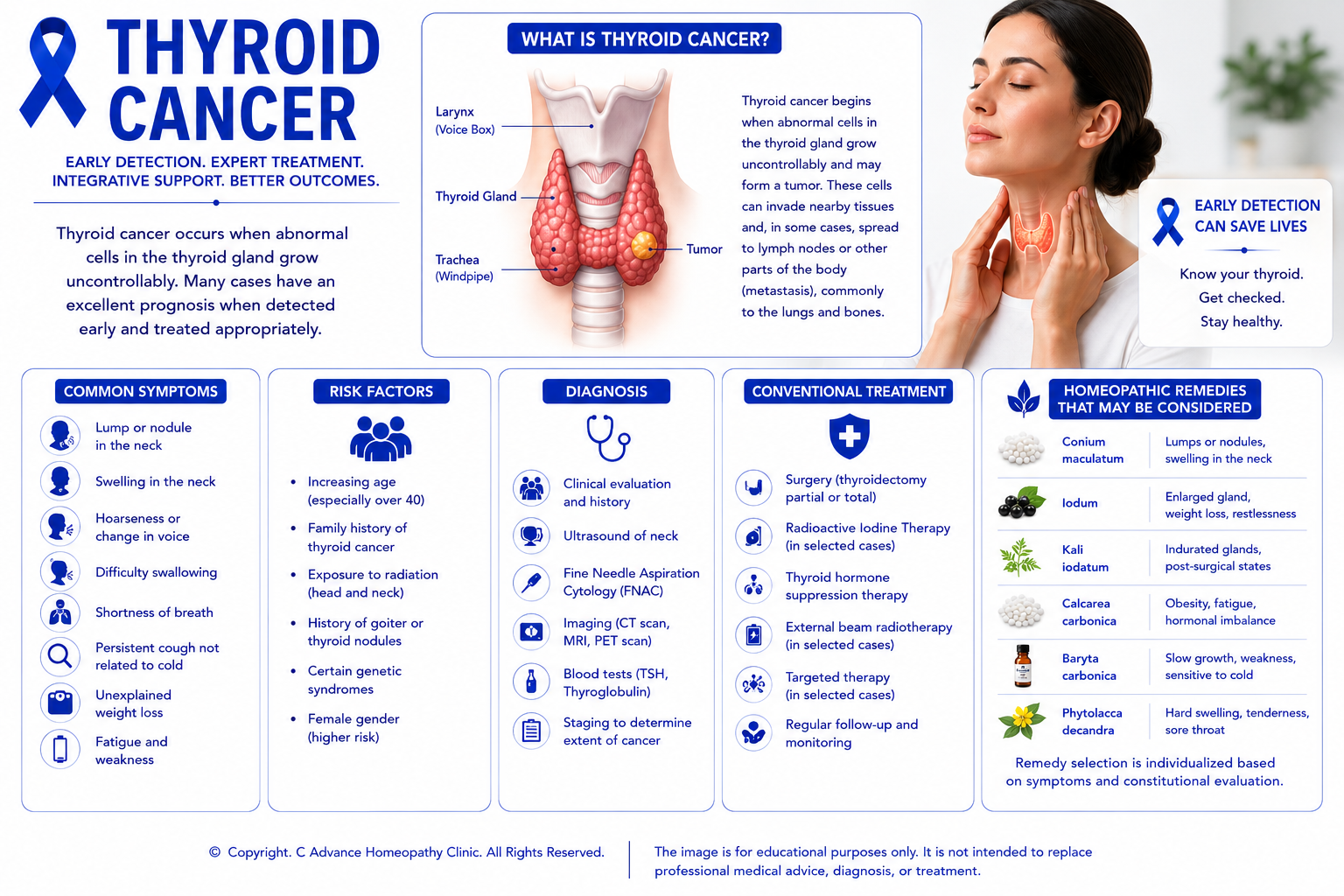
Common Symptoms of Thyroid Cancer
- Neck swelling or lump
- Hoarseness
- Difficulty swallowing
- Neck discomfort
- Enlarged cervical lymph nodes
- Persistent cough not related to infection
Risk Factors for Thyroid Cancer
- Female gender
- Radiation exposure
- Family history
- Certain inherited genetic syndromes
- Previous thyroid disease
Conventional Treatment for Thyroid Cancer
Treatment commonly includes thyroid surgery, radioactive iodine therapy, thyroid hormone replacement, targeted therapy in selected patients, and regular long-term follow-up.
Homeopathic Medicines Commonly Considered in Supportive Cancer Care
Some homeopathic medicines that experienced homeopathic physicians may consider as part of an individualized supportive care plan include:
- Conium Maculatum
- Iodum
- Spongia Tosta
- Calcarea Fluorica
- Carbo Animalis
- Baryta Carbonica
- Arsenicum Album
- Phytolacca Decandra
Homeopathic medicines should only be prescribed by a qualified homeopathic physician after an individualized clinical evaluation.
Important: Complementary Care for Thyroid Cancer
Thyroid cancer should always be managed by a multidisciplinary oncology team to establish an accurate diagnosis, determine the type and stage of the disease, evaluate the risk of recurrence, and develop an individualized treatment plan. Appropriate evaluation includes fine-needle aspiration cytology or tissue biopsy where indicated, histopathological examination, neck imaging, staging investigations, and other diagnostic procedures recommended by the treating oncology team.
Patients diagnosed with thyroid cancer may be considered for individualized supportive homeopathic care as a complementary approach alongside evidence-based oncology treatment following appropriate medical evaluation. Homeopathy may be integrated with thyroid surgery, radioactive iodine therapy when indicated, thyroid hormone replacement or TSH suppression therapy, external beam radiotherapy, targeted therapy for advanced disease, nutritional support, psychological care, rehabilitation, palliative care, and other supportive measures recommended by the oncology team. Patients should continue all prescribed cancer treatments and attend regular follow-up appointments throughout their treatment journey.
The primary role of supportive homeopathic care is to provide individualized patient-centred support during the cancer journey. Depending on the patient's clinical presentation, stage of disease, treatment plan, and overall health, homeopathy may be considered alongside conventional oncology management to support overall well-being and address selected treatment-related symptoms as part of a comprehensive supportive care plan. Homeopathy should not be regarded as a substitute for surgery, radioactive iodine therapy, thyroid hormone therapy, targeted therapy, radiotherapy, or any other evidence-based cancer treatment recommended by the oncology team.
Patients who develop rapidly enlarging neck swelling, difficulty breathing, difficulty swallowing, persistent hoarseness that worsens, bleeding from the surgical site, high fever following treatment, symptoms of severe hypocalcaemia such as muscle cramps or tingling after thyroid surgery, or any other acute complication during cancer treatment should seek immediate medical attention, as these situations may represent oncological or postoperative emergencies requiring urgent specialist care.
6. Ovarian Cancer
What is Ovarian Cancer?
Ovarian cancer develops in the ovaries and is often called the "silent disease" because early-stage symptoms may be vague and easily overlooked. As the disease progresses, symptoms may become more noticeable, making timely medical evaluation important.
Treatment usually combines surgery with chemotherapy and, in selected patients, targeted therapy or immunotherapy depending on the tumour type and stage.

Common Symptoms of Ovarian Cancer
- Persistent abdominal bloating
- Pelvic pain
- Feeling full quickly
- Increased abdominal size
- Frequent urination
- Constipation
- Unexplained weight loss
- Fatigue
Risk Factors for Ovarian Cancer
- Increasing age
- BRCA gene mutations
- Family history
- Endometriosis
- Nulliparity
- Hormonal factors
Conventional Treatment for Ovarian Cancer
Treatment commonly includes surgery, chemotherapy, targeted therapy, immunotherapy in selected patients, and long-term oncology follow-up.
Homeopathic Medicines Commonly Considered in Supportive Cancer Care
Some homeopathic medicines that experienced homeopathic physicians may consider as part of an individualized supportive care plan include:
- Conium Maculatum
- Carbo Animalis
- Arsenicum Album
- Lapis Albus
- Thuja Occidentalis
- Hydrastis Canadensis
- Kreosotum
- Phosphorus
Homeopathic medicines should only be prescribed by a qualified homeopathic physician after an individualized clinical evaluation.
Important: Complementary Care for Ovarian Cancer
Ovarian cancer should always be managed by a multidisciplinary oncology team to establish an accurate diagnosis, determine the stage and histological subtype of the disease, assess the extent of tumour spread, and develop an individualized treatment plan. Appropriate evaluation includes pelvic imaging, tumour markers where appropriate, histopathological confirmation following surgery or biopsy, staging investigations, and other diagnostic procedures recommended by the treating oncology team.
Patients diagnosed with ovarian cancer may be considered for individualized supportive homeopathic care as a complementary approach alongside evidence-based oncology treatment following appropriate medical evaluation. Homeopathy may be integrated with cytoreductive (debulking) surgery, chemotherapy, targeted therapy, maintenance therapy, immunotherapy where indicated, nutritional support, rehabilitation, psychological care, palliative care, and other supportive measures recommended by the oncology team. Patients should continue all prescribed cancer treatments and attend regular follow-up appointments throughout their treatment journey.
The primary role of supportive homeopathic care is to provide individualized patient-centred support during the cancer journey. Depending on the patient's clinical presentation, stage of disease, treatment plan, and overall health, homeopathy may be considered alongside conventional oncology management to support overall well-being and address selected treatment-related symptoms as part of a comprehensive supportive care plan. Homeopathy should not be regarded as a substitute for surgery, chemotherapy, targeted therapy, maintenance therapy, immunotherapy, or any other evidence-based cancer treatment recommended by the oncology team.
Patients who develop severe abdominal pain, persistent vomiting, increasing abdominal distension, inability to pass stool or gas, sudden shortness of breath, significant vaginal bleeding, high fever during chemotherapy, or any other acute complication during cancer treatment should seek immediate medical attention, as these situations may represent oncological emergencies requiring urgent specialist care.
7. Cervical Cancer
What is Cervical Cancer?
Cervical cancer develops from abnormal cells in the cervix, the lower part of the uterus that connects to the vagina. Persistent infection with high-risk human papillomavirus (HPV) is the most important cause of cervical cancer. Regular cervical screening and HPV vaccination have significantly reduced the incidence of this disease.
Most patients receive surgery, radiotherapy, chemotherapy, immunotherapy, or combinations of these treatments depending on the stage of the disease.

Common Symptoms of Cervical Cancer
- Abnormal vaginal bleeding
- Bleeding after intercourse
- Persistent vaginal discharge
- Pelvic pain
- Pain during intercourse
- Lower back pain in advanced disease
Risk Factors for Cervical Cancer
- Persistent HPV infection
- Smoking
- Multiple sexual partners
- Weakened immune system
- Lack of cervical screening
Conventional Treatment for Cervical Cancer
Treatment may include surgery, radiotherapy, chemotherapy, immunotherapy, targeted therapy, and regular follow-up depending on disease stage.
Homeopathic Medicines Commonly Considered in Supportive Cancer Care
Some homeopathic medicines that experienced homeopathic physicians may consider as part of an individualized supportive care plan include:
- Kreosotum
- Carbo Animalis
- Conium Maculatum
- Hydrastis Canadensis
- Arsenicum Album
- Nitric Acid
- Thuja Occidentalis
- Phosphorus
Homeopathic medicines should only be prescribed by a qualified homeopathic physician after an individualized clinical evaluation.
Important: Complementary Care for Cervical Cancer
Cervical cancer should always be managed by a multidisciplinary oncology team to establish an accurate diagnosis, determine the stage of disease, evaluate tumour histology, and develop an individualized treatment plan. Appropriate evaluation includes cervical biopsy with histopathological examination, colposcopy where indicated, imaging studies for staging, and other investigations recommended by the treating oncology team.
Patients diagnosed with cervical cancer may be considered for individualized supportive homeopathic care as a complementary approach alongside evidence-based oncology treatment following appropriate medical evaluation. Homeopathy may be integrated with surgery, radiotherapy, chemotherapy, chemoradiation, targeted therapy, immunotherapy where indicated, nutritional support, rehabilitation, psychological care, palliative care, and other supportive measures recommended by the oncology team. Patients should continue all prescribed cancer treatments and attend regular follow-up appointments throughout their treatment journey.
The primary role of supportive homeopathic care is to provide individualized patient-centred support during the cancer journey. Depending on the patient's clinical presentation, stage of disease, treatment plan, and overall health, homeopathy may be considered alongside conventional oncology management to support overall well-being and address selected treatment-related symptoms as part of a comprehensive supportive care plan. Homeopathy should not be regarded as a substitute for surgery, radiotherapy, chemotherapy, concurrent chemoradiation, immunotherapy, or any other evidence-based cancer treatment recommended by the oncology team.
Patients who develop heavy vaginal bleeding, severe pelvic pain, high fever during chemotherapy, persistent vomiting with dehydration, inability to pass urine, severe swelling of the legs, sudden shortness of breath, or any other acute complication during cancer treatment should seek immediate medical attention, as these situations may represent oncological emergencies requiring urgent specialist care.
8. Endometrial Cancer
What is Endometrial Cancer?
Endometrial cancer arises from the inner lining of the uterus (endometrium) and is one of the most common gynecological cancers. It is frequently diagnosed at an early stage because abnormal uterine bleeding often prompts women to seek medical evaluation.
Treatment usually includes surgery and may be followed by radiotherapy, chemotherapy, hormone therapy, immunotherapy, or targeted therapy depending on the stage and pathological findings.

Common Symptoms of Endometrial Cancer
- Postmenopausal bleeding
- Abnormal uterine bleeding
- Pelvic pain
- Vaginal discharge
- Lower abdominal discomfort
Risk Factors for Endometrial Cancer
- Obesity
- Diabetes
- Hypertension
- Increasing age
- Hormonal imbalance
- Family history
Conventional Treatment for Endometrial Cancer
Treatment commonly includes hysterectomy, radiotherapy, chemotherapy, hormone therapy, immunotherapy, targeted therapy, and regular oncology follow-up.
Homeopathic Medicines Commonly Considered in Supportive Cancer Care
Some homeopathic medicines that experienced homeopathic physicians may consider as part of an individualized supportive care plan include:
- Hydrastis Canadensis
- Kreosotum
- Conium Maculatum
- Carbo Animalis
- Arsenicum Album
- Lilium Tigrinum
- Phosphorus
- Sepia Officinalis
Homeopathic medicines should only be prescribed by a qualified homeopathic physician after an individualized clinical evaluation.
Important: Complementary Care for Endometrial Cancer
Endometrial cancer should always be managed by a multidisciplinary oncology team to establish an accurate diagnosis, determine the stage and histological subtype of the disease, assess prognostic factors, and develop an individualized treatment plan. Appropriate evaluation includes endometrial biopsy with histopathological examination, pelvic imaging, staging investigations, and other diagnostic procedures recommended by the treating oncology team.
Patients diagnosed with endometrial cancer may be considered for individualized supportive homeopathic care as a complementary approach alongside evidence-based oncology treatment following appropriate medical evaluation. Homeopathy may be integrated with surgery, radiotherapy, chemotherapy, hormone therapy where indicated, immunotherapy, targeted therapy, nutritional support, rehabilitation, psychological care, palliative care, and other supportive measures recommended by the oncology team. Patients should continue all prescribed cancer treatments and attend regular follow-up appointments throughout their treatment journey.
The primary role of supportive homeopathic care is to provide individualized patient-centred support during the cancer journey. Depending on the patient's clinical presentation, stage of disease, treatment plan, and overall health, homeopathy may be considered alongside conventional oncology management to support overall well-being and address selected treatment-related symptoms as part of a comprehensive supportive care plan. Homeopathy should not be regarded as a substitute for surgery, radiotherapy, chemotherapy, hormone therapy, immunotherapy, targeted therapy, or any other evidence-based cancer treatment recommended by the oncology team.
Patients who develop heavy vaginal bleeding, severe pelvic or abdominal pain, persistent vomiting with dehydration, high fever during chemotherapy, sudden shortness of breath, swelling or pain in the legs suggestive of deep vein thrombosis, or any other acute complication during cancer treatment should seek immediate medical attention, as these situations may represent oncological emergencies requiring urgent specialist care.
9. Oral Cancer
What is Oral Cancer?
Oral cancer develops within the mouth and may affect the lips, tongue, cheeks, floor of the mouth, hard palate, or gums. It is particularly common among individuals who use tobacco, consume alcohol excessively, or chew betel nut. Early diagnosis greatly improves treatment outcomes.
Many patients experience pain, difficulty eating, mouth ulcers, bleeding, or treatment-related side effects during surgery, radiotherapy, or chemotherapy and may seek complementary supportive care to help improve overall comfort and quality of life.
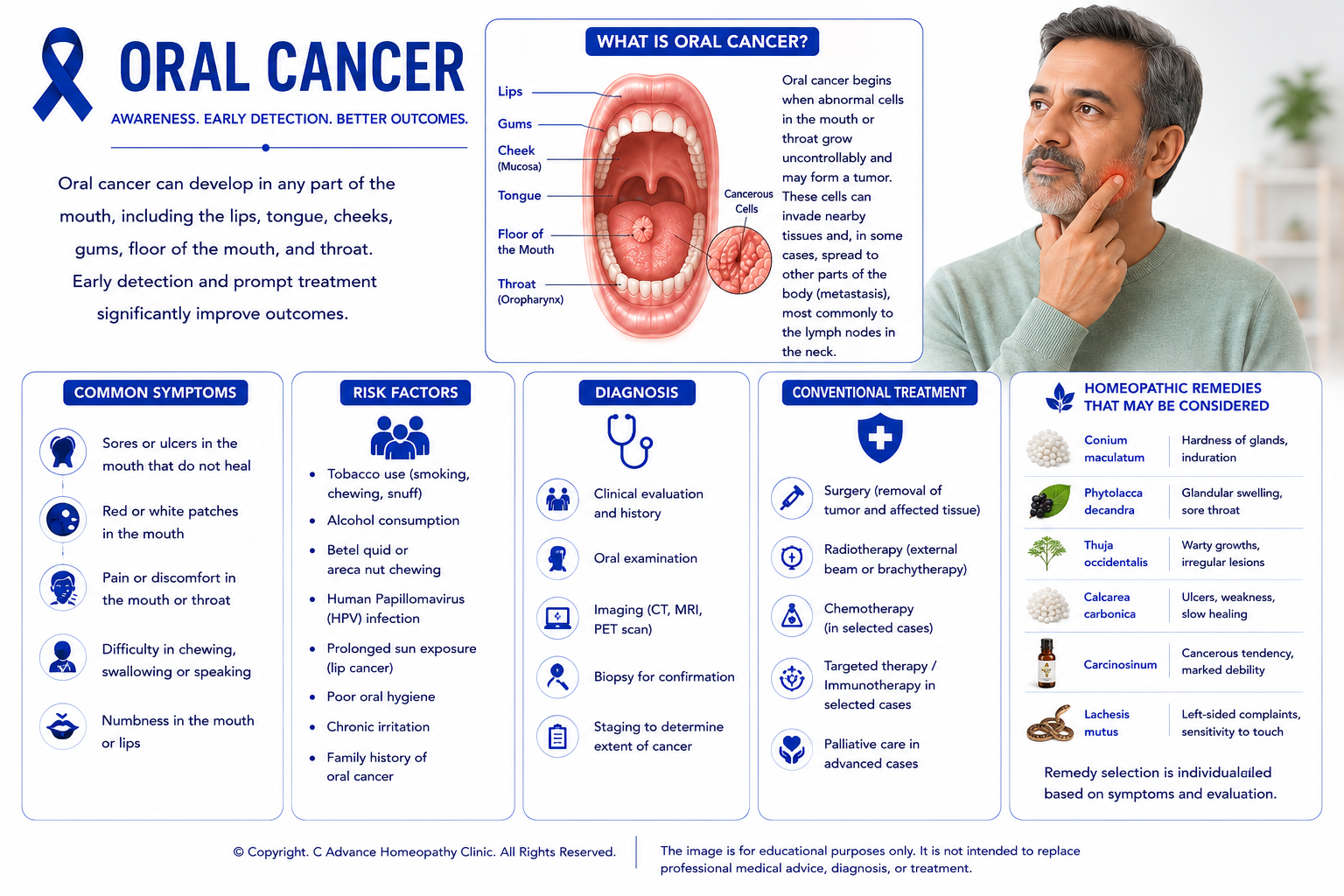
Common Symptoms of Oral Cancer
- Persistent mouth ulcer
- Non-healing sore
- Mouth pain
- Bleeding
- Difficulty chewing
- Difficulty swallowing
- Loose teeth
- Neck swelling
Risk Factors for Oral Cancer
- Tobacco use
- Smoking
- Alcohol consumption
- Betel nut chewing
- HPV infection
- Poor oral hygiene
Conventional Treatment for Oral Cancer
Treatment depends on the stage and location of the cancer and may include surgery, radiotherapy, chemotherapy, targeted therapy, immunotherapy, reconstructive surgery, and rehabilitation.
Homeopathic Medicines Commonly Considered in Supportive Cancer Care
Some homeopathic medicines that experienced homeopathic physicians may consider as part of an individualized supportive care plan include:
- Hydrastis Canadensis
- Cundurango
- Arsenicum Album
- Nitric Acid
- Mercurius Solubilis
- Kreosotum
- Carbo Animalis
- Phytolacca Decandra
Homeopathic medicines should only be prescribed by a qualified homeopathic physician after an individualized clinical evaluation.
Important: Complementary Care for Oral Cancer
Oral cancer should always be managed by a multidisciplinary oncology team to establish an accurate diagnosis, determine the stage of disease, evaluate the tumour histology, and develop an individualized treatment plan. Appropriate evaluation includes tissue biopsy with histopathological examination, imaging studies for staging, assessment of regional lymph nodes, and other diagnostic procedures recommended by the treating oncology team.
Patients diagnosed with oral cancer may be considered for individualized supportive homeopathic care as a complementary approach alongside evidence-based oncology treatment following appropriate medical evaluation. Homeopathy may be integrated with surgery, radiotherapy, chemotherapy, targeted therapy, immunotherapy where indicated, nutritional support, speech and swallowing rehabilitation, dental care, psychological support, palliative care, and other supportive measures recommended by the oncology team. Patients should continue all prescribed cancer treatments and attend regular follow-up appointments throughout their treatment journey.
The primary role of supportive homeopathic care is to provide individualized patient-centred support during the cancer journey. Depending on the patient's clinical presentation, stage of disease, treatment plan, and overall health, homeopathy may be considered alongside conventional oncology management to support overall well-being and address selected treatment-related symptoms as part of a comprehensive supportive care plan. Homeopathy should not be regarded as a substitute for surgery, radiotherapy, chemotherapy, targeted therapy, immunotherapy, or any other evidence-based cancer treatment recommended by the oncology team.
Patients who develop difficulty breathing, inability to swallow, rapidly increasing swelling of the mouth or neck, uncontrolled oral bleeding, high fever during chemotherapy, severe dehydration due to inability to eat or drink, or any other acute complication during cancer treatment should seek immediate medical attention, as these situations may represent oncological emergencies requiring urgent specialist care.
10. Head & Neck Cancer
What is Head & Neck Cancer?
Head and neck cancers comprise a group of cancers that arise in the oral cavity, pharynx, larynx, nasal cavity, paranasal sinuses, and salivary glands. Treatment often requires a multidisciplinary approach involving surgery, radiotherapy, chemotherapy, immunotherapy, speech therapy, nutritional support, and rehabilitation.
Patients may experience difficulties with swallowing, speaking, nutrition, pain, dry mouth, or radiation-related side effects during treatment, making comprehensive supportive care an important part of overall cancer management.
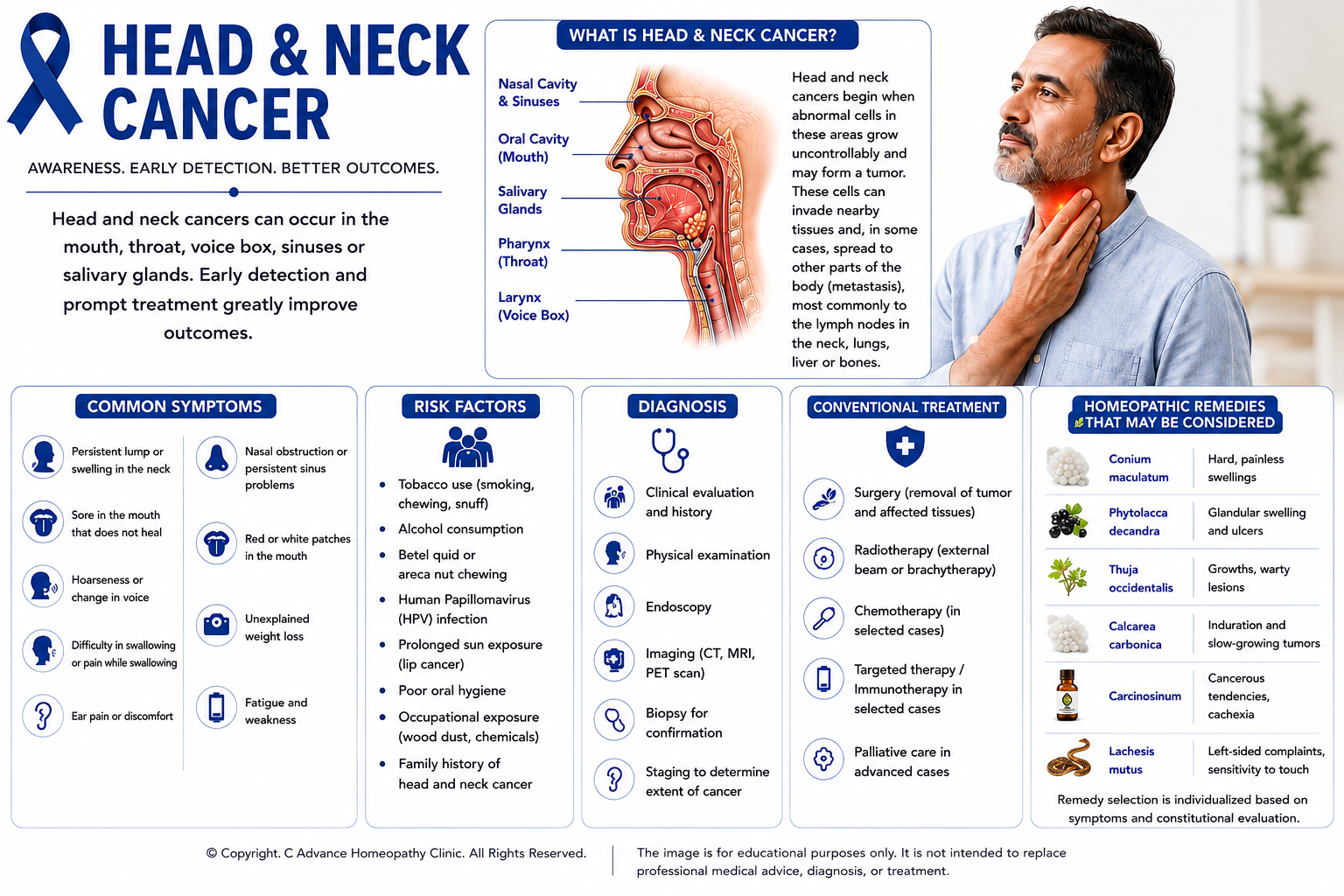
Common Symptoms of Head & Neck Cancer
- Persistent sore throat
- Hoarseness
- Difficulty swallowing
- Neck lump
- Mouth ulcers
- Ear pain
- Persistent cough
- Unexplained weight loss
Risk Factors for Head & Neck Cancer
- Tobacco use
- Alcohol consumption
- HPV infection
- Occupational exposure
- Poor oral hygiene
- Increasing age
Conventional Treatment for Head & Neck Cancer
Treatment commonly includes surgery, radiotherapy, chemotherapy, immunotherapy, targeted therapy, reconstructive surgery, nutritional rehabilitation, and long-term oncology follow-up.
Homeopathic Medicines Commonly Considered in Supportive Cancer Care
Some homeopathic medicines that experienced homeopathic physicians may consider as part of an individualized supportive care plan include:
- Cundurango
- Hydrastis Canadensis
- Arsenicum Album
- Nitric Acid
- Mercurius Solubilis
- Kreosotum
- Carbo Animalis
- Phytolacca Decandra
Homeopathic medicines should only be prescribed by a qualified homeopathic physician after an individualized clinical evaluation.
Important: Complementary Care for Head & Neck Cancer
Head and neck cancers should always be managed by a multidisciplinary oncology team to establish an accurate diagnosis, determine the site and stage of disease, evaluate tumour histology, and develop an individualized treatment plan. Appropriate evaluation includes tissue biopsy with histopathological examination, imaging studies for staging, endoscopic assessment where indicated, and other diagnostic procedures recommended by the treating oncology team.
Patients diagnosed with head and neck cancer may be considered for individualized supportive homeopathic care as a complementary approach alongside evidence-based oncology treatment following appropriate medical evaluation. Homeopathy may be integrated with surgery, radiotherapy, chemotherapy, concurrent chemoradiation, targeted therapy, immunotherapy where indicated, nutritional support, speech and swallowing rehabilitation, dental care, psychological support, palliative care, and other supportive measures recommended by the oncology team. Patients should continue all prescribed cancer treatments and attend regular follow-up appointments throughout their treatment journey.
The primary role of supportive homeopathic care is to provide individualized patient-centred support during the cancer journey. Depending on the patient's clinical presentation, stage of disease, treatment plan, and overall health, homeopathy may be considered alongside conventional oncology management to support overall well-being and address selected treatment-related symptoms as part of a comprehensive supportive care plan. Homeopathy should not be regarded as a substitute for surgery, radiotherapy, chemotherapy, targeted therapy, immunotherapy, or any other evidence-based cancer treatment recommended by the oncology team.
Patients who develop difficulty breathing, progressive difficulty swallowing, uncontrolled bleeding from the mouth or throat, rapidly increasing swelling of the face or neck, inability to swallow liquids, high fever during chemotherapy, severe dehydration, or any other acute complication during cancer treatment should seek immediate medical attention, as these situations may represent oncological emergencies requiring urgent specialist care.
11. Lymphoma
What is Lymphoma?
Lymphoma is a type of cancer that originates in the lymphatic system, an important component of the body's immune system. It develops when lymphocytes, a type of white blood cell, undergo abnormal growth and accumulate within the lymph nodes, spleen, bone marrow, or other lymphatic tissues. The two main categories are Hodgkin Lymphoma and Non-Hodgkin Lymphoma, each comprising several subtypes with different biological behaviour, treatment approaches, and prognosis.
Over the past few decades, significant advances in chemotherapy, immunotherapy, targeted therapy, radiation therapy, and stem cell transplantation have greatly improved treatment outcomes and survival for many patients with lymphoma. Treatment is highly individualized and depends on the specific subtype, stage of disease, age, general health, and other clinical factors.
Some patients choose complementary homeopathic supportive care alongside their oncology treatment to help support symptom management, improve comfort, and enhance their overall quality of life throughout their cancer journey.
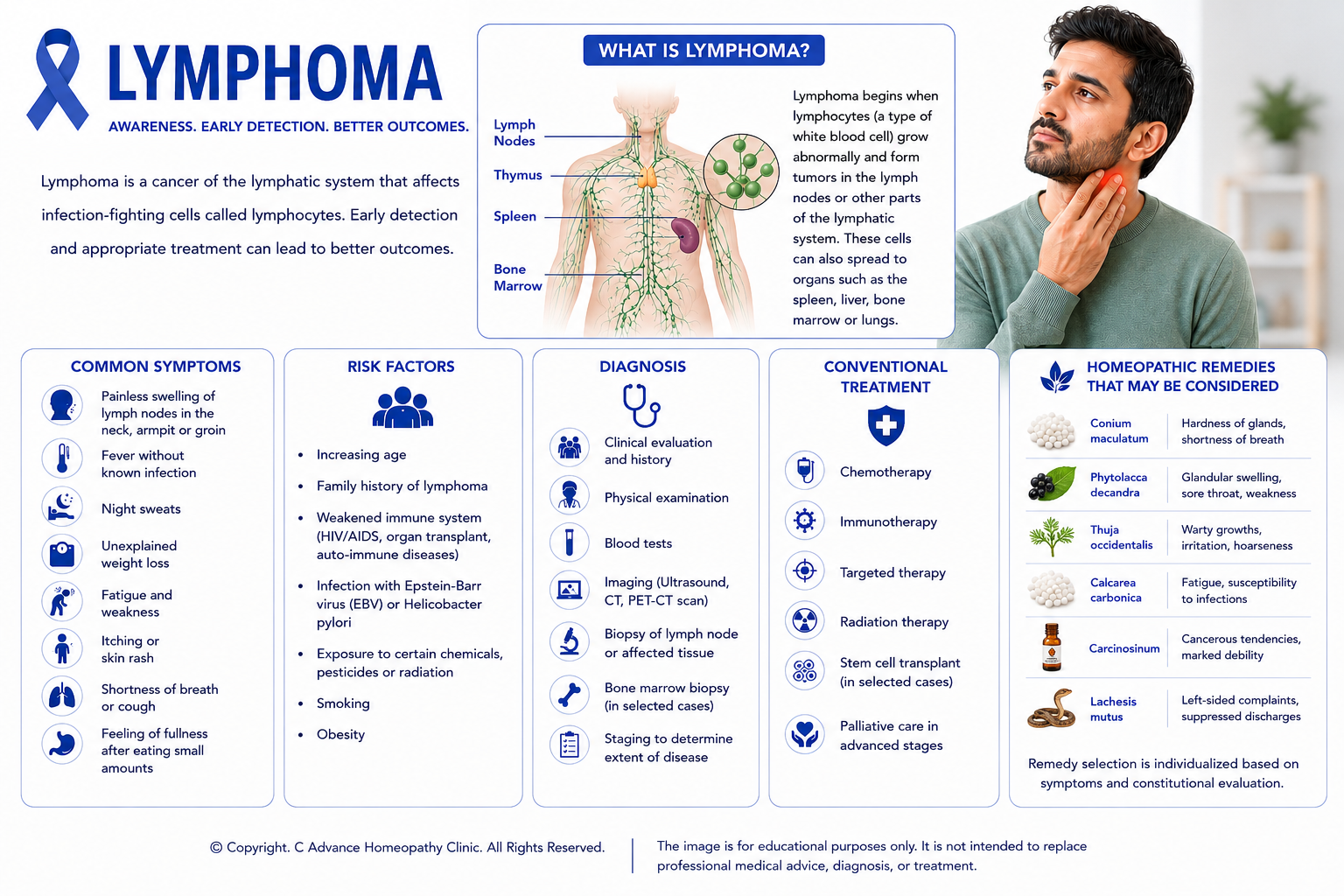
Common Symptoms of Lymphoma
- Enlarged painless lymph nodes
- Persistent fatigue
- Fever
- Night sweats
- Unexplained weight loss
- Persistent itching
- Loss of appetite
- Shortness of breath in some patients
Risk Factors for Lymphoma
- Increasing age
- Certain viral infections
- Autoimmune diseases
- Immunodeficiency disorders
- Family history
- Previous chemotherapy or radiation exposure
Conventional Treatment for Lymphoma
Treatment depends on the lymphoma subtype, stage of disease, and the patient's overall health. Conventional management may include chemotherapy, immunotherapy, targeted therapy, radiation therapy, stem cell transplantation, CAR-T cell therapy in selected patients, and regular oncology follow-up.
Homeopathic Medicines Commonly Considered in Supportive Cancer Care
Some homeopathic medicines that experienced homeopathic physicians may consider as part of an individualized supportive care plan include:
- Arsenicum Album
- Carbo Animalis
- Conium Maculatum
- Cundurango
- Hydrastis Canadensis
- Phytolacca Decandra
- Scrophularia Nodosa
- Baryta Iodata
Homeopathic medicines should only be prescribed by a qualified homeopathic physician after an individualized clinical evaluation.
Important: Complementary Care for Lymphoma
Lymphoma should always be managed by a multidisciplinary oncology team, often including a haematologist or haemato-oncologist, to establish an accurate diagnosis, determine the type of lymphoma, assess the stage of disease, and develop an individualized treatment plan. Appropriate evaluation includes lymph node or tissue biopsy with histopathological examination, immunophenotyping, imaging studies for staging, bone marrow examination where indicated, and other diagnostic procedures recommended by the treating oncology team.
Patients diagnosed with lymphoma may be considered for individualized supportive homeopathic care as a complementary approach alongside evidence-based oncology treatment following appropriate medical evaluation. Homeopathy may be integrated with chemotherapy, immunotherapy, targeted therapy, radiotherapy where indicated, stem cell transplantation in selected patients, nutritional support, infection prevention measures, psychological care, rehabilitation, palliative care, and other supportive measures recommended by the oncology team. Patients should continue all prescribed cancer treatments and attend regular follow-up appointments throughout their treatment journey.
The primary role of supportive homeopathic care is to provide individualized patient-centred support during the cancer journey. Depending on the patient's clinical presentation, type of lymphoma, stage of disease, treatment plan, and overall health, homeopathy may be considered alongside conventional oncology management to support overall well-being and address selected treatment-related symptoms as part of a comprehensive supportive care plan. Homeopathy should not be regarded as a substitute for chemotherapy, immunotherapy, targeted therapy, stem cell transplantation, radiotherapy, or any other evidence-based cancer treatment recommended by the oncology team.
Patients who develop high fever, severe infections, persistent bleeding, unexplained bruising, severe breathlessness, rapidly enlarging lymph nodes causing difficulty breathing or swallowing, severe weakness, confusion, or any other acute complication during cancer treatment should seek immediate medical attention, as these situations may represent haematological or oncological emergencies requiring urgent specialist care.
12. Leukemia
What is Leukemia?
Leukemia is a cancer of the blood-forming tissues, including the bone marrow, where blood cells are produced. It is characterized by the abnormal production of white blood cells that interfere with the body's ability to fight infection and produce healthy blood cells. Depending on the type, leukemia may develop rapidly (acute leukemia) or progress more slowly over time (chronic leukemia).
Modern advances in chemotherapy, targeted therapy, immunotherapy, stem cell transplantation, and supportive medical care have significantly improved outcomes for many patients. Treatment is individualized according to the type of leukemia, genetic characteristics of the disease, age, and overall health.
Patients undergoing treatment may experience fatigue, recurrent infections, bleeding tendencies, mouth ulcers, nausea, and other treatment-related symptoms. Comprehensive supportive care plays an important role in helping patients maintain comfort and quality of life throughout treatment.

Common Symptoms of Leukemia
- Persistent fatigue
- Frequent infections
- Fever
- Easy bruising
- Bleeding
- Bone or joint pain
- Enlarged lymph nodes
- Unexplained weight loss
Risk Factors for Leukemia
- Previous chemotherapy or radiotherapy
- Certain inherited genetic disorders
- Smoking
- Benzene exposure
- Family history
- Increasing age
Conventional Treatment for Leukemia
Treatment depends on the leukemia subtype and may include chemotherapy, targeted therapy, immunotherapy, stem cell transplantation, CAR-T cell therapy for selected patients, supportive blood transfusions, and long-term hematology follow-up.
Homeopathic Medicines Commonly Considered in Supportive Cancer Care
Some homeopathic medicines that experienced homeopathic physicians may consider as part of an individualized supportive care plan include:
- Carcinosinum
- Arsenicum Album
- China Officinalis
- Phosphorus
- Hydrastis Canadensis
Homeopathic medicines should only be prescribed by a qualified homeopathic physician after an individualized clinical evaluation.
Important: Complementary Care for Leukemia
Leukemia should always be managed by a multidisciplinary oncology team, led by a haematologist or haemato-oncologist, to establish an accurate diagnosis, determine the type and subtype of leukemia, assess disease severity, and develop an individualized treatment plan. Appropriate evaluation includes blood investigations, bone marrow aspiration and biopsy, immunophenotyping, cytogenetic and molecular studies where indicated, and other diagnostic procedures recommended by the treating oncology team.
Patients diagnosed with leukemia may be considered for individualized supportive homeopathic care as a complementary approach alongside evidence-based oncology treatment following appropriate medical evaluation. Homeopathy may be integrated with chemotherapy, targeted therapy, immunotherapy, stem cell transplantation where indicated, blood product support, infection prevention measures, nutritional support, rehabilitation, psychological care, palliative care, and other supportive measures recommended by the oncology team. Patients should continue all prescribed cancer treatments and attend regular follow-up appointments throughout their treatment journey.
The primary role of supportive homeopathic care is to provide individualized patient-centred support during the cancer journey. Depending on the patient's clinical presentation, type of leukemia, treatment phase, and overall health, homeopathy may be considered alongside conventional oncology management to support overall well-being and address selected treatment-related symptoms as part of a comprehensive supportive care plan. Homeopathy should not be regarded as a substitute for chemotherapy, targeted therapy, immunotherapy, stem cell transplantation, or any other evidence-based cancer treatment recommended by the oncology team.
Patients who develop high fever, signs of infection, uncontrolled bleeding, severe bruising, profound weakness, shortness of breath, persistent vomiting, altered consciousness, severe dehydration, or any other acute complication during leukemia treatment should seek immediate medical attention, as these situations may represent haematological or oncological emergencies requiring urgent specialist care.
A Note About Homeopathic Medicines
The homeopathic medicines listed throughout this page are among the remedies that experienced homeopathic physicians may consider while providing complementary supportive care for individuals living with cancer. Homeopathic treatment is highly individualized, and the selection of a medicine is never based solely on the cancer diagnosis.
Our homeopathic doctors consider several factors before prescribing, including:
- The patient's cancer diagnosis and stage
- Current oncology treatment
- Presenting symptoms
- Treatment-related side effects
- Medical history
- Emotional and psychological well-being
- General physical health
- Individual constitutional characteristics
The most appropriate homeopathic medicine for one patient may differ from that selected for another individual with the same type of cancer. For this reason, homeopathic medicines should always be prescribed following a comprehensive consultation with a qualified homeopathic doctor and used only as part of an individualized integrative care plan.
Our Homeopathic Approach to Integrative Oncology
At Advance Homeopathy Clinic Dubai, we believe that every cancer patient deserves compassionate, individualized, and coordinated supportive care throughout their treatment journey.
Our objective is not to replace conventional oncology treatment, but to provide individualized homeopathic care that complements the treatment plan developed by the patient's oncology team.
During your consultation, our homeopathic doctors perform a comprehensive assessment that includes:
- Cancer diagnosis and stage
- Current oncology treatment plan
- Surgery, chemotherapy, radiotherapy, immunotherapy, hormone therapy, targeted therapy, or stem cell transplantation received or planned
- Presenting symptoms
- Treatment-related side effects
- Nutritional status
- Emotional well-being
- Past medical history
- Family history
- Overall health and constitutional assessment
This detailed evaluation enables us to develop an individualized homeopathic supportive care plan tailored to the patient's specific clinical situation.
Depending on the individual's condition, homeopathic supportive care may be considered to help support the management of symptoms such as:
- Pain
- Fatigue
- Nausea and vomiting
- Mouth ulcers (oral mucositis)
- Dry mouth
- Difficulty swallowing
- Reduced appetite
- Radiation-induced skin irritation
- Peripheral neuropathy
- Anxiety
- Sleep disturbances
- General quality of life
In selected patients, experienced homeopathic physicians may also prescribe individualized medicines to help support the management of symptoms directly associated with locally advanced disease, including:
- Bleeding
- Offensive discharge
- Ulceration
- Foul-smelling wounds
- Pain associated with local tumour involvement
Every treatment plan is individualized according to the patient's diagnosis, conventional oncology treatment, symptoms, treatment goals, and overall health. Homeopathy is provided as part of an integrative approach that respects and supports evidence-based cancer care.
Why Choose Advance Homeopathy Clinic Dubai?
Patients from Dubai, across the UAE, and from more than 20 countries and over 100 nationalities have trusted Advance Homeopathy Clinic Dubai for individualized homeopathic care.
Why Patients Choose Us
- More than 35 years of clinical experience under the leadership of Dr. Aalim Dhandhukia
- Dubai Health Authority (DHA) licensed clinic and homeopathic doctors
- Individualized homeopathic supportive care tailored to each patient's needs
- Homeopathy provided as a complementary approach alongside conventional oncology treatment
- Comprehensive medical evaluation before recommending treatment
- Care focused on symptom management, comfort, and quality of life
- In-clinic and online consultations for patients in Dubai, across the UAE, and internationally
- Free First Consultation to help you understand whether homeopathic supportive care may be an appropriate complementary approach for your individual situation
Frequently Asked Questions About Cancer Supportive Care
Can homeopathy cure cancer?
No. Homeopathy should not be considered a cure for cancer and should never replace evidence-based oncology treatment. Patients diagnosed with cancer should continue all investigations, treatments, and follow-up recommended by their oncologist. At Advance Homeopathy Clinic Dubai, homeopathy is offered only as a complementary supportive therapy as part of an integrative approach to patient care.
Can I receive homeopathic treatment while undergoing chemotherapy, immunotherapy, radiotherapy, or surgery?
Yes. Many patients choose individualized homeopathic care alongside conventional cancer treatment. Homeopathy may be considered as part of an integrative care plan while patients continue chemotherapy, radiotherapy, immunotherapy, targeted therapy, hormone therapy, surgery, or other treatments recommended by their oncology team. All treatment decisions should always remain under the guidance of the treating oncologist.
Can homeopathy help manage treatment-related side effects?
Some patients choose homeopathic supportive care to help manage symptoms experienced during or after conventional cancer treatment. Depending on the individual's clinical situation, homeopathy may be considered as part of a comprehensive supportive care plan aimed at improving comfort and quality of life. Treatment is always individualized, and responses may vary from person to person.
Does Advance Homeopathy Clinic Dubai advise patients to stop conventional cancer treatment?
No. We strongly encourage every patient to continue the treatment recommended by their oncologist. Homeopathy is provided only as a complementary supportive therapy and is not an alternative to evidence-based cancer treatment.
Are homeopathic medicines safe to use during cancer treatment?
Homeopathic medicines should always be prescribed by a qualified homeopathic doctor who is fully informed about the patient's cancer diagnosis, medical history, and ongoing oncology treatment. At Advance Homeopathy Clinic Dubai, every patient's case is carefully evaluated before an individualized treatment plan is recommended.
Are online consultations available?
Yes. We provide both in-clinic and online consultations for patients in Dubai, across the UAE, and internationally, allowing patients to receive individualized homeopathic guidance regardless of their location.
Our Commitment to Evidence-Based Integrative Oncology
At Advance Homeopathy Clinic Dubai, patient safety, ethical medical practice, and evidence-informed healthcare are our highest priorities.
We firmly believe that every individual diagnosed with cancer should receive timely, appropriate, and evidence-based treatment under the care of qualified oncology specialists. We strongly encourage patients to continue all investigations, treatments, and follow-up recommended by their oncology team, which may include:
- Surgery
- Chemotherapy
- Radiotherapy
- Immunotherapy
- Targeted Therapy
- Hormone Therapy
- Stem Cell Transplantation
- Palliative Care
- Regular oncology follow-up
Our role is to provide individualized homeopathic supportive care that complements conventional cancer treatment. Depending on each patient's individual needs, homeopathy may be considered to help support symptom management, improve comfort, and enhance quality of life throughout the cancer journey.
We do not advise patients to delay, discontinue, or refuse conventional cancer treatment in favour of homeopathy. All decisions regarding cancer treatment should remain under the guidance of the treating oncologist.
We believe that the best patient outcomes are achieved through collaboration, where complementary homeopathic care is integrated responsibly alongside modern evidence-based oncology.
Research in Homeopathy and Integrative Oncology
Research Overview
Homeopathy has been investigated as a complementary approach in supportive cancer care, with research focusing primarily on improving quality of life, relieving treatment-related symptoms, and supporting patients undergoing conventional oncology treatment. Published research has evaluated individualized homeopathic care in patients receiving surgery, chemotherapy, radiotherapy, hormone therapy, targeted therapy, immunotherapy, and palliative care across a variety of cancer types.
The published literature includes observational studies, pragmatic clinical studies, randomized controlled trials, systematic reviews, and meta-analyses. Areas that have received the greatest research attention include cancer-related fatigue, chemotherapy-associated nausea and vomiting, oral mucositis, radiation-induced skin reactions, menopausal symptoms following breast cancer treatment, pain management, psychological well-being, and overall quality of life. Considerably less research has evaluated homeopathy within individual cancer types, and the available evidence varies substantially in both quality and methodology.
Because individualized homeopathic prescribing is based on the patient's overall symptom profile rather than the cancer diagnosis alone, evaluating its effects using conventional clinical trial designs presents important methodological challenges. Consequently, the available evidence should be interpreted within the context of both its strengths and its limitations.
Current State of Research
Published research in integrative oncology includes observational studies, pragmatic clinical studies, randomized controlled trials, and systematic reviews evaluating the role of homeopathy as a complementary intervention alongside conventional cancer treatment. Some individual studies have reported improvements in selected patient-reported outcomes, including quality of life, treatment-related symptoms, and aspects of supportive care in carefully selected patient populations.
However, the overall body of scientific evidence remains heterogeneous and limited. Many published studies involve relatively small sample sizes, differences in study design, individualized prescribing approaches, variation in cancer types and treatment protocols, inconsistent outcome measures, and methodological limitations that make direct comparison between studies difficult.
Systematic reviews generally conclude that although some studies report encouraging findings for supportive care and symptom management, the current evidence is insufficient to establish definitive effectiveness for routine use across all cancer populations or to support homeopathy as a treatment for cancer itself. Further well-designed, adequately powered clinical trials using rigorous methodology are required to better define the role of individualized homeopathic care within integrative oncology.
Current international oncology guidelines continue to recommend evidence-based cancer treatment as the foundation of cancer care. Surgery, chemotherapy, radiotherapy, hormone therapy, targeted therapy, immunotherapy, stem cell transplantation where appropriate, rehabilitation, nutritional support, psycho-oncology services, palliative care, and survivorship programmes remain the established standards of care. Complementary therapies, including homeopathy, should therefore be regarded as supportive approaches that may be considered alongside—not as replacements for—recommended oncology treatment.
Our Clinical Perspective
At Advance Homeopathy Clinic Dubai, we believe that every patient diagnosed with cancer should receive timely evaluation, accurate diagnosis, appropriate staging, and evidence-based treatment under the guidance of a multidisciplinary oncology team. Conventional cancer treatment remains the cornerstone of modern oncology and should never be delayed or replaced by complementary therapies.
Our role is to provide individualized supportive homeopathic care that complements the patient's overall oncology treatment plan. Depending on the patient's clinical presentation, treatment phase, symptom burden, and personal goals, supportive homeopathic care may be considered as part of an integrated approach aimed at supporting overall well-being and helping address selected treatment-related symptoms while patients continue their prescribed oncology care.
Throughout this article, we have consistently emphasized that homeopathy is discussed only within the framework of supportive integrative oncology. We do not present homeopathy as a treatment for cancer itself, nor as a substitute for surgery, chemotherapy, radiotherapy, hormone therapy, targeted therapy, immunotherapy, stem cell transplantation, or any other evidence-based cancer treatment.
Patients experiencing fever during chemotherapy, severe infections, uncontrolled bleeding, sudden neurological symptoms, acute breathing difficulties, spinal cord compression, tumour-related emergencies, or any other acute complication of cancer or its treatment require immediate conventional medical assessment and management. Patient safety, multidisciplinary collaboration, and continuity of oncology care remain central to our clinical philosophy.
Our approach combines individualized homeopathic prescribing, careful clinical assessment, close collaboration with the treating oncology team whenever appropriate, and an evidence-informed understanding of current medical research. As scientific knowledge continues to evolve, we remain committed to integrating emerging evidence into clinical practice while maintaining the principles of individualized patient care, patient safety, and responsible integrative oncology.
