

Integrated & Holistic Homeopathic Treatment for Mental Health Conditions in Dubai
Comprehensive Homeopathic Care for Anxiety, Depression, Obsessive-Compulsive Disorder, Sleep Disorders & Emotional Well-being in Dubai.
Mental health is an essential part of overall health and influences the way we think, feel, behave, relate to others, cope with stress, and function in daily life. Everyone experiences periods of sadness, worry, stress, or disturbed sleep from time to time. However, when these symptoms become persistent, severe, or begin to interfere with work, relationships, education, or everyday functioning, they may indicate an underlying mental health disorder that requires professional assessment and appropriate treatment.
Mental health conditions are common and affect people of all ages, backgrounds, and cultures. They result from a complex interaction of biological, psychological, social, environmental, and genetic factors rather than a single cause. Early recognition, accurate diagnosis, and timely intervention can significantly improve quality of life and reduce the long-term impact of these conditions.
At Advance Homeopathy Clinic Dubai, we provide individualized homeopathic care for patients experiencing a variety of mental health conditions, including:
- Generalized Anxiety Disorder (GAD)
- Panic Disorder
- Major Depressive Disorder
- Persistent Depressive Disorder (Dysthymia)
- Obsessive-Compulsive Disorder (OCD)
- Insomnia Disorder
- Tobacco Use Disorder (Nicotine Dependence)
- Bipolar Disorder (Complementary Supportive Care)
- Post-Traumatic Stress Disorder (PTSD) (Complementary Supportive Care)
Homeopathy is considered a complementary approach to mental healthcare and should always be integrated with appropriate conventional medical and psychological care when indicated. Depending on the individual's condition, management may involve psychiatrists, psychologists, family physicians, counsellors, psychotherapists, sleep specialists, addiction specialists, and other healthcare professionals working together to provide comprehensive care.
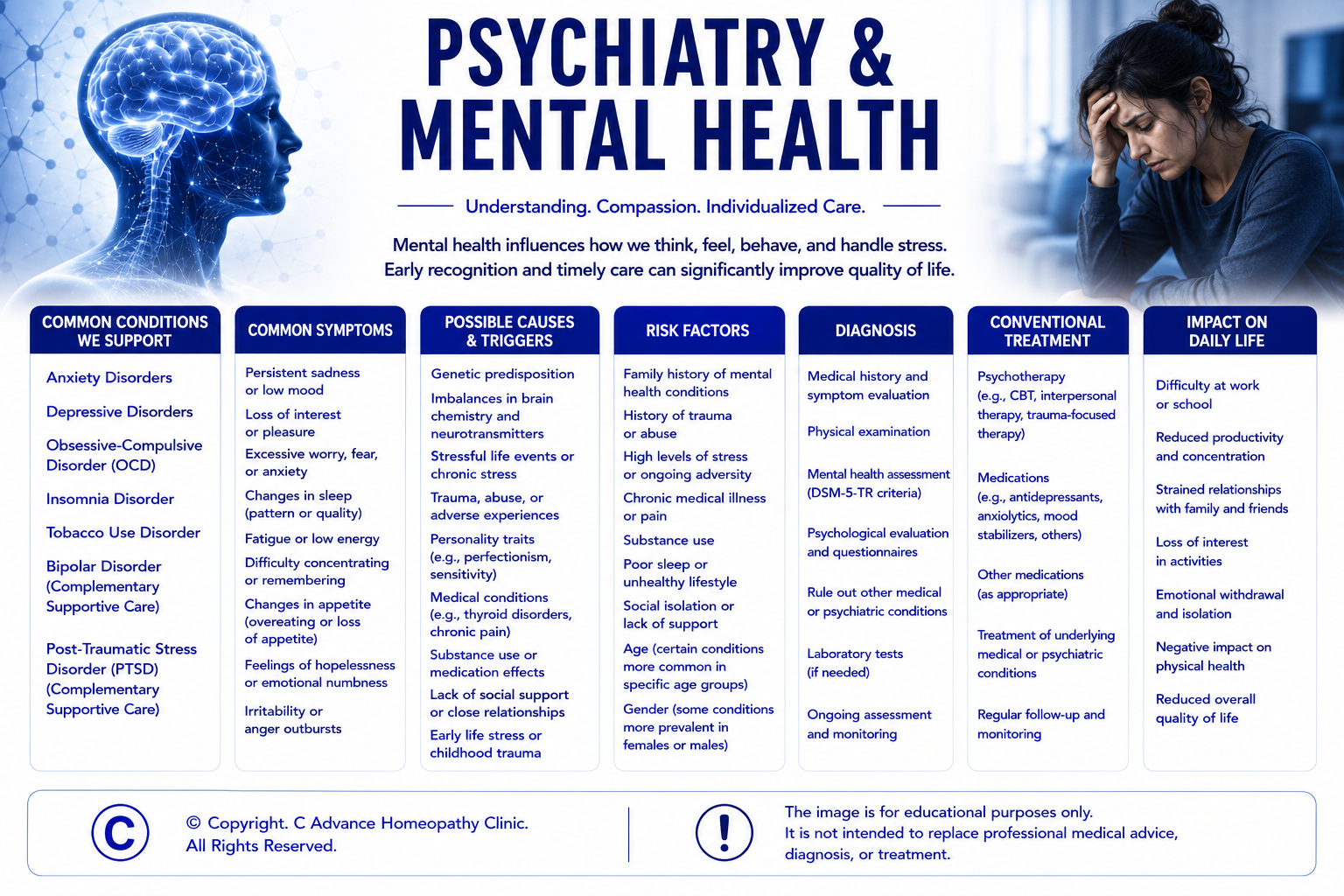
Understanding Mental Health Disorders
Mental health disorders are diagnosed using internationally recognised clinical criteria together with a detailed assessment of the individual's symptoms, their duration, severity, impact on daily functioning, medical history, and personal circumstances. A diagnosis is not made based on a single symptom or a brief emotional reaction to life events.
Mental health professionals use comprehensive clinical evaluation to distinguish between normal emotional responses and conditions that may require treatment. This process includes understanding how symptoms affect relationships, work, education, family life, physical health, and overall quality of life.
Many mental health conditions share similar symptoms. For example, anxiety, poor concentration, sleep disturbance, fatigue, and low mood may occur in several different psychiatric disorders as well as certain medical illnesses. For this reason, an accurate diagnosis requires careful clinical evaluation rather than self-diagnosis based on internet searches or symptom checklists.
Throughout this page, we refer to diagnostic concepts that are consistent with the Diagnostic and Statistical Manual of Mental Disorders, Fifth Edition, Text Revision (DSM-5-TR). The DSM-5-TR is one of the internationally recognised references used by qualified mental health professionals to support clinical diagnosis. However, diagnosis should always be made by an appropriately trained healthcare professional after a comprehensive clinical assessment and should never rely solely on a checklist of symptoms.
Understanding the correct diagnosis is the foundation of effective treatment. Once an accurate diagnosis has been established, an individualized treatment plan may include psychological therapies, lifestyle interventions, medications where appropriate, and complementary approaches such as homeopathy as part of a coordinated healthcare programme.
Why Early Diagnosis Matters
Many mental health disorders respond more effectively when recognised and treated early. Delaying assessment may allow symptoms to become more severe, increase their impact on work, education, relationships, physical health, and overall well-being, and make recovery more challenging.
Seeking professional help early provides the opportunity for timely intervention, appropriate support, and the development of a personalised treatment plan that addresses both immediate concerns and long-term mental health.
How Homeopathy May Support Mental Health Conditions
Homeopathy is an individualized system of medicine in which treatment is selected according to the patient's unique symptom pattern rather than the diagnosis alone. During consultation, the homeopathic physician evaluates the individual's emotional symptoms, behavioural patterns, personal history, medical history, life experiences, physical health, lifestyle, associated medical conditions, and overall pattern of symptoms before selecting an appropriate homeopathic medicine.
Mental health conditions vary considerably from one individual to another. Two people with the same diagnosis may experience different emotional symptoms, coping mechanisms, stressors, sleep disturbances, physical complaints, personality characteristics, and life circumstances. Homeopathic treatment is therefore individualized according to the patient's complete clinical picture rather than the diagnosis alone.
Depending on the individual's presentation, homeopathy may be considered as a complementary approach for patients experiencing:
- Persistent anxiety and excessive worry
- Panic attacks
- Persistent low mood
- Obsessive thoughts and compulsive behaviours
- Chronic sleep disturbances
- Emotional stress and adjustment difficulties
- Tobacco dependence as part of a comprehensive smoking cessation programme
- Emotional symptoms associated with chronic medical illnesses
- Psychological distress affecting daily functioning and quality of life
For patients with Bipolar Disorder and Post-Traumatic Stress Disorder (PTSD), homeopathy should be considered only as complementary supportive care alongside ongoing psychiatric management and should never replace specialist mental healthcare.
Mental health conditions frequently require multidisciplinary management. Homeopathy should therefore complement—not replace—evidence-based psychiatric care. Depending on the diagnosis, treatment may include psychiatric assessment, psychological therapy, cognitive behavioural therapy (CBT), trauma-focused psychotherapy, sleep therapy, addiction treatment programmes, lifestyle modification, prescribed medications, family support, and regular follow-up with qualified healthcare professionals.
1. Generalized Anxiety Disorder (GAD)
What is Generalized Anxiety Disorder?
Feeling worried or anxious from time to time is a normal part of life. Most people experience anxiety before an examination, an important meeting, a medical procedure, or during periods of increased stress. In many situations, anxiety is a natural response that helps us remain alert and prepared.
Generalized Anxiety Disorder (GAD) is different because the worry becomes excessive, persistent, difficult to control, and continues even when there is little or no objective reason for concern. The anxiety often affects several aspects of daily life, including health, family, work, finances, education, or routine responsibilities, and may interfere with normal social, occupational, and personal functioning.
Generalized Anxiety Disorder is one of the most common anxiety disorders. Unlike temporary anxiety that resolves once a stressful situation has passed, people with GAD experience ongoing worry on most days over an extended period. The anxiety is frequently accompanied by physical symptoms such as muscle tension, fatigue, poor concentration, headaches, digestive disturbances, irritability, and sleep difficulties. Over time, these symptoms may affect relationships, work performance, emotional well-being, and overall quality of life.
With early diagnosis and appropriate management, most individuals with Generalized Anxiety Disorder can achieve significant improvement in their symptoms and lead productive, fulfilling lives.
Diagnostic Criteria for Generalized Anxiety Disorder (DSM-5-TR Summary)
A diagnosis of Generalized Anxiety Disorder should only be made by a qualified healthcare professional following a comprehensive clinical assessment. According to the Diagnostic and Statistical Manual of Mental Disorders, Fifth Edition, Text Revision (DSM-5-TR), the diagnosis generally includes:
- Excessive anxiety and worry occurring on most days for at least six months.
- Difficulty controlling the worry.
- Anxiety associated with several physical or psychological symptoms, such as restlessness, fatigue, impaired concentration, irritability, muscle tension, or sleep disturbance.
- Symptoms causing clinically significant distress or impairment in social, occupational, educational, or other important areas of functioning.
- Symptoms that are not better explained by another medical condition, medication, substance use, or another mental health disorder.
Clinical Note
Persistent anxiety and excessive worry may also occur in several medical and psychiatric conditions. A comprehensive clinical assessment is essential to establish an accurate diagnosis before recommending treatment.

Common Signs & Symptoms of Generalized Anxiety Disorder
Patients with Generalized Anxiety Disorder may experience one or more of the following symptoms:
- Persistent and excessive worry about everyday situations
- Feeling restless or constantly "on edge"
- Difficulty relaxing
- Difficulty concentrating
- Feeling that the mind "goes blank"
- Irritability
- Muscle tension
- Fatigue or feeling easily tired
- Headaches
- Palpitations
- Excessive sweating
- Dry mouth
- Trembling
- Digestive discomfort or abdominal symptoms
- Difficulty falling asleep
- Frequent waking during the night
- Poor quality or unrefreshing sleep
The severity and combination of symptoms vary from one individual to another.
Factors Associated with Increased Risk of Generalized Anxiety Disorder
Several factors have been associated with an increased likelihood of developing Generalized Anxiety Disorder, including:
- Family history of anxiety disorders
- Childhood adversity or traumatic experiences
- Chronic psychological stress
- Certain personality traits
- Female gender
- Previous anxiety disorders
- Chronic medical illnesses
- Substance misuse
- Chronic sleep disturbance
Having one or more of these factors does not necessarily mean that a person will develop Generalized Anxiety Disorder, but they may contribute to an increased susceptibility in some individuals.
Conditions That Should Be Excluded Before Diagnosing Generalized Anxiety Disorder
Several medical and psychiatric conditions may produce symptoms similar to Generalized Anxiety Disorder. Depending on the individual's clinical presentation, healthcare professionals may consider evaluating for:
- Hyperthyroidism and other thyroid disorders
- Cardiac arrhythmias and other cardiovascular diseases
- Asthma and other respiratory disorders
- Medication or stimulant-induced anxiety
- Substance or alcohol misuse
- Panic Disorder
- Obsessive-Compulsive Disorder (OCD)
- Major Depressive Disorder
- Bipolar Disorder
- Post-Traumatic Stress Disorder (PTSD)
- Adjustment Disorder
A careful clinical evaluation helps ensure that the correct diagnosis is established and that appropriate treatment is recommended.
Conventional Management of Generalized Anxiety Disorder
The primary goals of treatment are to reduce anxiety, improve emotional well-being, restore normal daily functioning, and prevent long-term complications.
Conventional management may include:
- Comprehensive psychiatric or psychological assessment
- Cognitive Behavioural Therapy (CBT)
- Stress management techniques
- Relaxation training
- Mindfulness-based therapies
- Regular physical activity
- Sleep hygiene measures
- Selective Serotonin Reuptake Inhibitors (SSRIs)
- Serotonin-Norepinephrine Reuptake Inhibitors (SNRIs)
- Other medications when clinically indicated
- Regular follow-up with healthcare professionals
Treatment is individualized according to the patient's symptoms, overall health, personal preferences, and clinical requirements.
Homeopathic Medicines Commonly Considered for Generalized Anxiety Disorder
Some homeopathic medicines that may be considered by experienced homeopathic physicians for Generalized Anxiety Disorder include:
- Arsenicum Album
- Argentum Nitricum
- Gelsemium Sempervirens
- Lycopodium Clavatum
- Ignatia Amara
- Kali Phosphoricum
- Aconitum Napellus
- Calcarea Carbonica
Homeopathic medicines should only be prescribed by a qualified homeopathic physician after an individualized clinical evaluation.
Important: Complementary Care for Generalized Anxiety Disorder (GAD)
Generalized Anxiety Disorder (GAD) should always be evaluated and managed by a qualified psychiatrist, clinical psychologist, family physician, or appropriately trained mental healthcare professional to confirm the diagnosis, determine the severity of anxiety symptoms, identify contributing psychological, biological, and social factors, assess functional impairment, evaluate the risk of associated mental health conditions, and develop an individualized treatment plan. Comprehensive evaluation commonly includes a detailed psychiatric history, assessment of symptom duration and severity, evaluation of emotional well-being, sleep quality, occupational and social functioning, review of medical history, medication and substance use history, physical examination where appropriate, screening for suicidal thoughts or self-harm risk, laboratory investigations when clinically indicated (including thyroid function tests, vitamin B12, folate, vitamin D, iron studies, and other relevant investigations), and additional psychological or psychiatric assessment based on the individual's clinical presentation. Accurate diagnosis is essential because persistent anxiety and excessive worry may also occur in Panic Disorder, Major Depressive Disorder, Obsessive-Compulsive Disorder (OCD), Post-Traumatic Stress Disorder (PTSD), Bipolar Disorder, hyperthyroidism, cardiac arrhythmias, respiratory disorders, medication-related conditions, substance use disorders, or other medical and psychiatric illnesses, each requiring different management.
Patients with stable Generalized Anxiety Disorder may be considered for individualized homeopathic treatment as a complementary approach following appropriate psychiatric evaluation. Homeopathy may be integrated alongside Cognitive Behavioural Therapy (CBT), other evidence-based psychological therapies, stress management programmes, relaxation training, mindfulness-based interventions, regular physical activity, healthy sleep practices, lifestyle modification, prescribed psychiatric medications where indicated, family education and support, and regular follow-up with their psychiatrist, psychologist, or primary healthcare provider. Individualized homeopathic prescribing is based on the patient's complete clinical presentation, constitutional characteristics, emotional and behavioural symptoms, stressors, coping patterns, sleep disturbances, associated physical symptoms, medical history, personality characteristics, lifestyle factors, social circumstances, and overall health rather than the diagnosis alone.
Patients should continue all recommended conventional treatment, including psychiatric or psychological assessment, Cognitive Behavioural Therapy (CBT), other evidence-based psychotherapies, prescribed antidepressant or anxiolytic medications when clinically indicated, stress management strategies, sleep optimization, management of associated medical conditions, lifestyle interventions, and regular follow-up with their mental healthcare professional. Homeopathy should not be regarded as a substitute for evidence-based psychiatric or psychological care, particularly in patients with severe anxiety causing marked functional impairment, coexisting Major Depressive Disorder, suicidal thoughts, substance use disorders, severe obsessive symptoms, Bipolar Disorder, psychotic disorders, or other psychiatric conditions requiring specialist mental healthcare.
Patients with persistent anxiety despite appropriate treatment, worsening occupational or social functioning, severe sleep disturbance, recurrent panic attacks, increasing avoidance behaviour, uncertainty regarding the diagnosis, significant depressive symptoms, suicidal thoughts, or suspected coexisting psychiatric disorders should continue specialist psychiatric follow-up and regular reassessment. Homeopathy should not replace recommended psychiatric evaluation, psychological therapy, prescribed medications, crisis intervention services, or other evidence-based mental health treatments recommended by the treating specialist.
Patients who develop suicidal thoughts, thoughts of self-harm, thoughts of harming others, hallucinations, delusions, severe confusion, extreme agitation, inability to care for themselves, rapidly worsening psychiatric symptoms, manic behaviour, or any situation that places themselves or others at immediate risk of harm should seek immediate emergency psychiatric or medical attention, as these symptoms may indicate a psychiatric emergency requiring urgent specialist assessment, crisis intervention, hospital-based care, or other emergency mental health services.
2. Panic Disorder
What is Panic Disorder?
Experiencing fear or anxiety during stressful situations or in response to real danger is a normal human response. Many people may experience an occasional panic attack during periods of intense emotional or physical stress without developing a mental health disorder.
Panic Disorder is different because it is characterised by recurrent, unexpected panic attacks followed by persistent concern about experiencing additional attacks or significant behavioural changes aimed at avoiding future attacks. Over time, these fears may begin to interfere with daily activities, work, relationships, and overall quality of life.
Panic Disorder is a common anxiety disorder in which panic attacks occur unexpectedly and are often accompanied by intense physical symptoms. During a panic attack, individuals may experience a sudden surge of overwhelming fear that reaches its peak within minutes. Many people experiencing their first panic attack believe they are having a heart attack, losing control, or facing another life-threatening medical emergency.
Although panic attacks themselves are not physically dangerous, they can be extremely distressing. As the condition progresses, some individuals begin avoiding places or situations where they fear another panic attack may occur. This avoidance behaviour may gradually limit social activities, travel, work performance, and independence if appropriate treatment is not received.
With early diagnosis and appropriate management, most individuals with Panic Disorder experience significant improvement and can return to their normal daily activities.
Diagnostic Criteria for Panic Disorder (DSM-5-TR Summary)
A diagnosis of Panic Disorder should only be made by a qualified healthcare professional following a comprehensive clinical assessment. According to the Diagnostic and Statistical Manual of Mental Disorders, Fifth Edition, Text Revision (DSM-5-TR), the diagnosis generally includes:
- Recurrent, unexpected panic attacks.
- At least one panic attack followed by one month or longer of persistent concern about experiencing further panic attacks or their consequences, and/or significant behavioural changes related to the attacks.
- Symptoms causing clinically significant distress or impairment in social, occupational, educational, or other important areas of functioning.
- Symptoms that are not better explained by another medical condition, medication, substance use, or another mental health disorder.
Clinical Note
Experiencing a panic attack does not necessarily mean that a person has Panic Disorder. Panic attacks may occur in several medical and psychiatric conditions. A comprehensive clinical assessment is essential to establish an accurate diagnosis before recommending treatment.
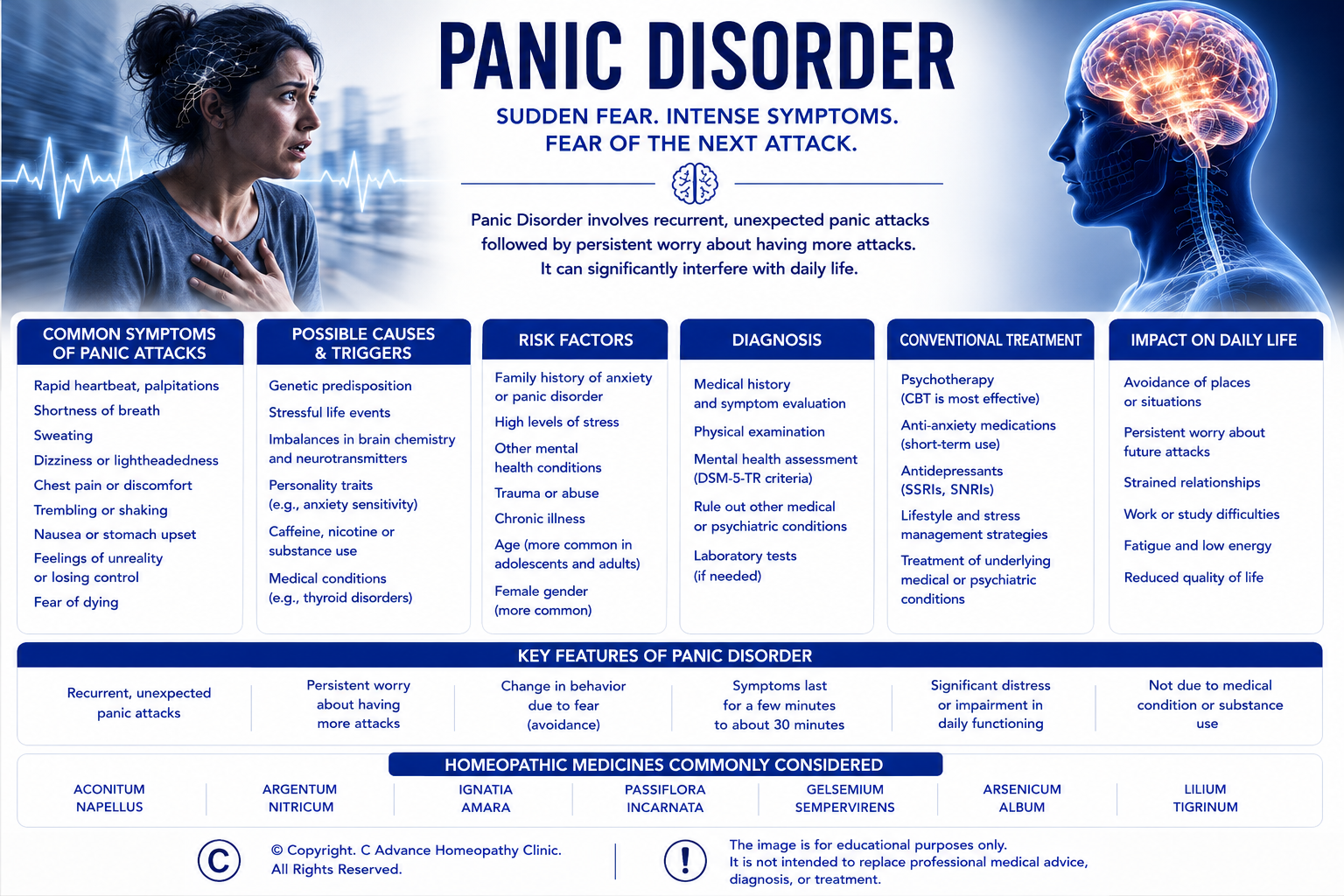
Common Signs & Symptoms of Panic Disorder
Patients with Panic Disorder may experience one or more of the following symptoms:
- Sudden episodes of intense fear or overwhelming anxiety
- Palpitations or rapid heartbeat
- Chest pain or chest discomfort
- Shortness of breath
- Feeling of choking
- Sweating
- Trembling or shaking
- Dizziness or light-headedness
- Feeling faint
- Nausea or abdominal discomfort
- Tingling or numbness in the hands or feet
- Chills or hot flushes
- Feeling detached from oneself or the surrounding environment
- Fear of losing control
- Fear of dying
- Persistent worry about future panic attacks
- Avoidance of places or situations associated with previous attacks
The severity and frequency of symptoms vary from one individual to another.
Factors Associated with Increased Risk of Panic Disorder
Several factors have been associated with an increased likelihood of developing Panic Disorder, including:
- Family history of panic or anxiety disorders
- Childhood adversity or traumatic experiences
- Major life stressors
- Chronic psychological stress
- Certain personality traits
- Previous panic attacks
- Smoking or nicotine dependence
- Excessive caffeine intake in susceptible individuals
- Certain chronic medical conditions
Having one or more of these factors does not necessarily mean that a person will develop Panic Disorder, but they may contribute to an increased susceptibility in some individuals.
Conditions That Should Be Excluded Before Diagnosing Panic Disorder
Several medical and psychiatric conditions may produce symptoms similar to Panic Disorder. Depending on the individual's clinical presentation, healthcare professionals may consider evaluating for:
- Cardiac arrhythmias and other cardiovascular diseases
- Coronary artery disease and other cardiac conditions
- Hyperthyroidism and other endocrine disorders
- Asthma and other respiratory disorders
- Vestibular disorders causing dizziness or imbalance
- Hypoglycaemia
- Medication or stimulant-induced anxiety
- Substance or alcohol misuse
- Generalized Anxiety Disorder
- Social Anxiety Disorder
- Major Depressive Disorder
- Post-Traumatic Stress Disorder (PTSD)
A careful clinical evaluation helps ensure that the correct diagnosis is established and that appropriate treatment is recommended.
Conventional Management of Panic Disorder
The primary goals of treatment are to reduce the frequency and severity of panic attacks, improve confidence, restore normal daily functioning, and minimise avoidance behaviours.
Conventional management may include:
- Comprehensive psychiatric or psychological assessment
- Cognitive Behavioural Therapy (CBT)
- Education regarding panic attacks and anxiety
- Breathing and relaxation techniques
- Gradual exposure therapy, where appropriate
- Selective Serotonin Reuptake Inhibitors (SSRIs)
- Serotonin-Norepinephrine Reuptake Inhibitors (SNRIs)
- Other medications when clinically indicated
- Regular follow-up with healthcare professionals
Treatment is individualized according to the patient's symptoms, overall health, personal preferences, and clinical requirements.
Homeopathic Medicines Commonly Considered for Panic Disorder
Some homeopathic medicines that may be considered by experienced homeopathic physicians for Panic Disorder include:
- Aconitum Napellus
- Argentum Nitricum
- Arsenicum Album
- Gelsemium Sempervirens
- Ignatia Amara
- Lycopodium Clavatum
- Kali Phosphoricum
- Opium
Homeopathic medicines should only be prescribed by a qualified homeopathic physician after an individualized clinical evaluation.
Important: Complementary Care for Panic Disorder
Panic Disorder should always be evaluated and managed by a qualified psychiatrist, clinical psychologist, family physician, or appropriately trained mental healthcare professional to confirm the diagnosis, determine the severity and frequency of panic attacks, identify contributing psychological, biological, and social factors, assess functional impairment, evaluate the risk of associated mental health conditions, and develop an individualized treatment plan. Comprehensive evaluation commonly includes a detailed psychiatric history, assessment of panic attack characteristics and triggering factors, evaluation of anticipatory anxiety and avoidance behaviour, assessment of occupational, educational, and social functioning, review of medical history, medication and substance use history, physical examination where appropriate, screening for suicidal thoughts or self-harm risk, cardiovascular evaluation when clinically indicated, laboratory investigations including thyroid function tests and other relevant investigations where appropriate, and additional psychological or psychiatric assessment based on the individual's clinical presentation. Accurate diagnosis is essential because sudden episodes of intense anxiety, palpitations, chest pain, dizziness, and breathlessness may also occur in Generalized Anxiety Disorder, Major Depressive Disorder, cardiac arrhythmias, acute coronary syndrome, hyperthyroidism, asthma, pulmonary embolism, epilepsy, vestibular disorders, medication-related conditions, substance use disorders, or other medical and psychiatric illnesses, each requiring different management.
Patients with stable Panic Disorder may be considered for individualized homeopathic treatment as a complementary approach following appropriate psychiatric evaluation. Homeopathy may be integrated alongside Cognitive Behavioural Therapy (CBT), exposure-based therapy where indicated, relaxation training, breathing retraining, stress management programmes, mindfulness-based interventions, healthy sleep practices, regular physical activity, lifestyle modification, prescribed psychiatric medications where indicated, family education and support, and regular follow-up with their psychiatrist, psychologist, or primary healthcare provider. Individualized homeopathic prescribing is based on the patient's complete clinical presentation, constitutional characteristics, emotional and behavioural symptoms, panic attack pattern, triggering factors, associated physical symptoms, coping strategies, medical history, personality characteristics, lifestyle factors, social circumstances, and overall health rather than the diagnosis alone.
Patients should continue all recommended conventional treatment, including psychiatric or psychological assessment, Cognitive Behavioural Therapy (CBT), exposure-based therapy where appropriate, prescribed antidepressant or anxiolytic medications when clinically indicated, education regarding panic attacks, stress management strategies, management of associated medical conditions, lifestyle interventions, and regular follow-up with their mental healthcare professional. Homeopathy should not be regarded as a substitute for evidence-based psychiatric or psychological care, particularly in patients with frequent or severe panic attacks, marked avoidance behaviour (agoraphobia), coexisting Major Depressive Disorder, suicidal thoughts, substance use disorders, Bipolar Disorder, psychotic disorders, or other psychiatric conditions requiring specialist mental healthcare.
Patients with persistent panic attacks despite appropriate treatment, progressive avoidance of work, school, travel, or social situations, worsening occupational or interpersonal functioning, uncertainty regarding the diagnosis, significant depressive symptoms, suicidal thoughts, or suspected coexisting psychiatric disorders should continue specialist psychiatric follow-up and regular reassessment. Homeopathy should not replace recommended psychiatric evaluation, psychological therapy, prescribed medications, crisis intervention services, or other evidence-based mental health treatments recommended by the treating specialist.
Patients who develop chest pain suggestive of a cardiac emergency, loss of consciousness, new neurological symptoms, severe breathing difficulty, suicidal thoughts, thoughts of self-harm, thoughts of harming others, hallucinations, delusions, severe confusion, extreme agitation, inability to care for themselves, or rapidly worsening psychiatric symptoms should seek immediate emergency medical or psychiatric attention, as these symptoms may indicate acute coronary syndrome, serious cardiac arrhythmia, pulmonary embolism, stroke, seizure, or a psychiatric emergency requiring urgent specialist assessment, crisis intervention, hospital-based care, or other emergency mental health services.
3. Major Depressive Disorder (MDD)
What is Major Depressive Disorder?
Feeling sad, disappointed, or emotionally low after difficult life events such as bereavement, relationship problems, financial difficulties, or personal setbacks is a normal part of the human experience. For most people, these feelings gradually improve with time, support, and healthy coping strategies.
Major Depressive Disorder (MDD) is different because the low mood or loss of interest becomes persistent, significantly affects daily functioning, and cannot simply be overcome by willpower or positive thinking. It is a recognised medical condition that affects emotional well-being, thinking, behaviour, physical health, relationships, work performance, and overall quality of life.
Major Depressive Disorder is one of the most common mental health disorders worldwide. Although sadness is often the most recognised symptom, depression affects far more than mood alone. Many individuals experience changes in sleep, appetite, energy levels, concentration, motivation, and enjoyment of previously meaningful activities. Some people primarily experience physical symptoms such as fatigue, unexplained aches and pains, or reduced productivity before recognising that depression may be contributing to their difficulties.
Depression varies considerably in severity. Some individuals continue to meet their daily responsibilities despite significant emotional distress, while others may find it difficult to work, study, maintain relationships, or carry out routine daily activities.
With early diagnosis and appropriate treatment, most individuals with Major Depressive Disorder can experience significant improvement and regain their quality of life.
Diagnostic Criteria for Major Depressive Disorder (DSM-5-TR Summary)
A diagnosis of Major Depressive Disorder should only be made by a qualified healthcare professional following a comprehensive clinical assessment. According to the Diagnostic and Statistical Manual of Mental Disorders, Fifth Edition, Text Revision (DSM-5-TR), the diagnosis generally includes:
- Depressed mood and/or a marked loss of interest or pleasure in most activities for at least two weeks.
- Several associated emotional, cognitive, behavioural, or physical symptoms occurring during the same period.
- Symptoms causing clinically significant distress or impairment in social, occupational, educational, or other important areas of functioning.
- Symptoms that are not better explained by another medical condition, medication, substance use, normal bereavement alone, or another mental health disorder.
- No history of a manic or hypomanic episode, as this may suggest Bipolar Disorder rather than Major Depressive Disorder.
Clinical Note
Depressive symptoms may occur in several medical conditions, neurological disorders, hormonal disorders, nutritional deficiencies, medication-related conditions, and other psychiatric illnesses. A comprehensive clinical assessment is essential before confirming the diagnosis and planning treatment.

Common Signs & Symptoms of Major Depressive Disorder
Patients with Major Depressive Disorder may experience one or more of the following symptoms:
- Persistent sadness or low mood
- Loss of interest or pleasure in previously enjoyable activities
- Feelings of hopelessness
- Feelings of worthlessness or excessive guilt
- Reduced motivation
- Fatigue or loss of energy
- Poor concentration
- Difficulty making decisions
- Changes in appetite
- Weight loss or weight gain
- Difficulty falling asleep
- Frequent waking during the night
- Sleeping excessively
- Restlessness or slowed movements
- Social withdrawal
- Unexplained physical aches and pains
- Recurrent thoughts of death or suicide
The severity and combination of symptoms vary from one individual to another.
Factors Associated with Increased Risk of Major Depressive Disorder
Several factors have been associated with an increased likelihood of developing Major Depressive Disorder, including:
- Family history of depression or other mood disorders
- Childhood adversity or traumatic experiences
- Chronic psychological stress
- Significant life events such as bereavement, divorce, or financial difficulties
- Chronic medical illnesses
- Persistent pain disorders
- Certain medications
- Substance or alcohol misuse
- Previous episodes of depression
- Limited social support
Having one or more of these factors does not necessarily mean that a person will develop Major Depressive Disorder, but they may contribute to an increased susceptibility in some individuals.
Conditions That Should Be Excluded Before Diagnosing Major Depressive Disorder
Several medical and psychiatric conditions may produce symptoms similar to Major Depressive Disorder. Depending on the individual's clinical presentation, healthcare professionals may consider evaluating for:
- Bipolar Disorder
- Persistent Depressive Disorder (Dysthymia)
- Thyroid disorders
- Vitamin B12 deficiency and other nutritional deficiencies
- Anaemia
- Chronic fatigue syndrome
- Neurological disorders
- Medication-induced depression
- Substance or alcohol misuse
- Adjustment Disorder
- Grief and bereavement-related conditions
A careful clinical evaluation helps ensure that the correct diagnosis is established and that appropriate treatment is recommended.
Conventional Management of Major Depressive Disorder
The primary goals of treatment are to reduce depressive symptoms, improve emotional well-being, restore normal daily functioning, reduce the risk of relapse, and improve overall quality of life.
Conventional management may include:
- Comprehensive psychiatric or psychological assessment
- Psychoeducation for patients and families
- Cognitive Behavioural Therapy (CBT)
- Interpersonal Therapy (IPT) and other evidence-based psychological therapies
- Lifestyle modifications including regular physical activity and healthy sleep habits
- Antidepressant medications when clinically indicated
- Management of underlying medical conditions
- Social and family support
- Regular follow-up with healthcare professionals
Treatment is individualized according to the patient's symptoms, overall health, clinical severity, personal preferences, and treatment goals.
Homeopathic Medicines Commonly Considered for Major Depressive Disorder
Some homeopathic medicines that may be considered by experienced homeopathic physicians for Major Depressive Disorder include:
- Natrum Muriaticum
- Ignatia Amara
- Aurum Metallicum
- Sepia Officinalis
- Pulsatilla Nigricans
- Staphysagria
- Arsenicum Album
- Phosphoric Acid
Homeopathic medicines should only be prescribed by a qualified homeopathic physician after an individualized clinical evaluation.
Important: Complementary Care for Major Depressive Disorder (MDD)
Major Depressive Disorder (MDD) should always be evaluated and managed by a qualified psychiatrist, clinical psychologist, family physician, or appropriately trained mental healthcare professional to confirm the diagnosis, determine the severity of depressive symptoms, identify contributing biological, psychological, and social factors, assess functional impairment, evaluate suicide risk, and develop an individualized treatment plan. Comprehensive evaluation commonly includes a detailed psychiatric history, assessment of mood, emotional well-being, sleep, appetite, energy levels, concentration, cognitive function, occupational and social functioning, review of medical history, medication and substance use history, physical examination where appropriate, comprehensive suicide risk assessment, screening for previous episodes of mania or hypomania, laboratory investigations when clinically indicated (including thyroid function tests, vitamin B12, folate, vitamin D, iron studies, and other relevant investigations), and additional psychological or psychiatric assessment based on the individual's clinical presentation. Accurate diagnosis is essential because depressive symptoms may also occur in Persistent Depressive Disorder (Dysthymia), Bipolar Disorder, Generalized Anxiety Disorder, Post-Traumatic Stress Disorder (PTSD), substance use disorders, hypothyroidism, neurological disorders, medication-related conditions, chronic medical illnesses, or other psychiatric and medical conditions, each requiring different management.
Patients with stable Major Depressive Disorder may be considered for individualized homeopathic treatment as a complementary approach following appropriate psychiatric evaluation. Homeopathy may be integrated alongside Cognitive Behavioural Therapy (CBT), Interpersonal Therapy (IPT), behavioural activation, other evidence-based psychological therapies, regular physical activity, healthy sleep practices, nutritional optimization, stress management programmes, family education and support, prescribed antidepressant medications where indicated, lifestyle modification, and regular follow-up with their psychiatrist, psychologist, or primary healthcare provider. Individualized homeopathic prescribing is based on the patient's complete clinical presentation, constitutional characteristics, emotional and behavioural symptoms, personality characteristics, associated physical symptoms, coping patterns, life circumstances, medical history, lifestyle factors, social environment, and overall health rather than the diagnosis alone.
Patients should continue all recommended conventional treatment, including psychiatric assessment, evidence-based psychotherapy, prescribed antidepressant medications when clinically indicated, monitoring for treatment response and adverse effects, management of associated medical conditions, healthy lifestyle interventions, relapse prevention strategies, and regular follow-up with their mental healthcare professional. Homeopathy should not be regarded as a substitute for evidence-based psychiatric or psychological care, particularly in patients with moderate to severe depression, suicidal thoughts or previous suicide attempts, psychotic depression, Bipolar Disorder, severe functional impairment, substance use disorders, or other psychiatric conditions requiring specialist mental healthcare.
Patients with persistent depressive symptoms despite appropriate treatment, worsening occupational or social functioning, progressive withdrawal from daily activities, severe sleep disturbance, significant weight loss or weight gain, uncertainty regarding the diagnosis, suspected Bipolar Disorder, emerging psychotic symptoms, suicidal thoughts, or recurrent depressive episodes should continue specialist psychiatric follow-up and regular reassessment. Homeopathy should not replace recommended psychiatric evaluation, psychological therapy, prescribed medications, crisis intervention services, or other evidence-based mental health treatments recommended by the treating specialist.
Patients who develop suicidal thoughts, suicidal plans or intent, thoughts of self-harm, thoughts of harming others, hallucinations, delusions, severe psychomotor retardation or agitation, inability to eat or drink adequately, inability to care for themselves, rapidly worsening depression, symptoms of mania or psychosis, or any situation that places themselves or others at immediate risk of harm should seek immediate emergency psychiatric or medical attention, as these symptoms may indicate a psychiatric emergency requiring urgent specialist assessment, crisis intervention, hospital-based care, or other emergency mental health services.
4. Persistent Depressive Disorder (Dysthymia)
What is Persistent Depressive Disorder?
Everyone experiences periods of sadness, disappointment, or emotional lows during life. These feelings usually improve with time and do not continuously affect daily functioning. Some individuals, however, experience a long-standing depressed mood that persists for years and gradually becomes part of their everyday life.
Persistent Depressive Disorder (PDD), previously known as Dysthymia, is a chronic depressive disorder characterised by a persistently low mood that lasts for an extended period. Although the symptoms may not always be as severe as those seen in Major Depressive Disorder, their long duration can significantly affect emotional well-being, relationships, work performance, self-confidence, and overall quality of life.
People with Persistent Depressive Disorder often describe themselves as having "always felt this way" or believe that feeling unhappy, pessimistic, or lacking enjoyment is simply part of their personality. Because the symptoms develop gradually and continue for years, many individuals delay seeking professional help.
Persistent Depressive Disorder may occur alone or together with episodes of Major Depressive Disorder, sometimes referred to as "double depression." Early recognition and appropriate treatment can help improve mood, daily functioning, and long-term quality of life.
Diagnostic Criteria for Persistent Depressive Disorder (DSM-5-TR Summary)
A diagnosis of Persistent Depressive Disorder should only be made by a qualified healthcare professional following a comprehensive clinical assessment. According to the Diagnostic and Statistical Manual of Mental Disorders, Fifth Edition, Text Revision (DSM-5-TR), the diagnosis generally includes:
- A persistently depressed mood for most of the day, on more days than not, for at least two years in adults (or one year in children and adolescents).
- The presence of additional depressive symptoms during the same period.
- Symptoms causing clinically significant distress or impairment in social, occupational, educational, or other important areas of functioning.
- Symptoms that are not better explained by another medical condition, medication, substance use, or another mental health disorder.
- No history of a manic or hypomanic episode, as this may suggest Bipolar Disorder rather than Persistent Depressive Disorder.
Clinical Note
Persistent low mood may result from several medical, neurological, hormonal, or psychiatric conditions. A comprehensive clinical assessment is essential to establish an accurate diagnosis before recommending treatment.

Common Signs & Symptoms of Persistent Depressive Disorder
Patients with Persistent Depressive Disorder may experience one or more of the following symptoms:
- Persistent low mood
- Loss of interest or reduced enjoyment in daily activities
- Low self-esteem
- Feelings of hopelessness
- Reduced confidence
- Fatigue or low energy
- Poor concentration
- Difficulty making decisions
- Changes in appetite
- Sleep disturbances
- Reduced productivity
- Social withdrawal
- Persistent pessimism
- Feeling discouraged about the future
The severity and combination of symptoms vary from one individual to another.
Factors Associated with Increased Risk of Persistent Depressive Disorder
Several factors have been associated with an increased likelihood of developing Persistent Depressive Disorder, including:
- Family history of depressive disorders
- Childhood adversity or traumatic experiences
- Chronic psychological stress
- Long-term medical illnesses
- Previous episodes of depression
- Limited social support
- Substance or alcohol misuse
- Certain personality characteristics
Having one or more of these factors does not necessarily mean that a person will develop Persistent Depressive Disorder, but they may contribute to an increased susceptibility in some individuals.
Conditions That Should Be Excluded Before Diagnosing Persistent Depressive Disorder
Several medical and psychiatric conditions may produce symptoms similar to Persistent Depressive Disorder. Depending on the individual's clinical presentation, healthcare professionals may consider evaluating for:
- Major Depressive Disorder
- Bipolar Disorder
- Adjustment Disorder
- Thyroid disorders
- Anaemia
- Vitamin B12 deficiency and other nutritional deficiencies
- Chronic fatigue syndrome
- Neurological disorders
- Medication-induced depression
- Substance or alcohol misuse
A careful clinical evaluation helps ensure that the correct diagnosis is established and that appropriate treatment is recommended.
Conventional Management of Persistent Depressive Disorder
The primary goals of treatment are to improve mood, restore normal daily functioning, enhance quality of life, and reduce the risk of developing more severe depressive episodes.
Conventional management may include:
- Comprehensive psychiatric or psychological assessment
- Cognitive Behavioural Therapy (CBT)
- Interpersonal Therapy (IPT) and other evidence-based psychological therapies
- Lifestyle modifications including regular physical activity and healthy sleep habits
- Antidepressant medications when clinically indicated
- Management of underlying medical conditions
- Family and social support
- Regular follow-up with healthcare professionals
Treatment is individualized according to the patient's symptoms, overall health, clinical severity, personal preferences, and treatment goals.
Homeopathic Medicines Commonly Considered for Persistent Depressive Disorder
Some homeopathic medicines that may be considered by experienced homeopathic physicians for Persistent Depressive Disorder include:
- Natrum Muriaticum
- Sepia Officinalis
- Aurum Metallicum
- Staphysagria
- Ignatia Amara
- Phosphoric Acid
- Pulsatilla Nigricans
- Calcarea Carbonica
Homeopathic medicines should only be prescribed by a qualified homeopathic physician after an individualized clinical evaluation.
Important: Complementary Care for Persistent Depressive Disorder (Dysthymia)
Persistent Depressive Disorder (Dysthymia) should always be evaluated and managed by a qualified psychiatrist, clinical psychologist, family physician, or appropriately trained mental healthcare professional to confirm the diagnosis, determine the severity and chronicity of depressive symptoms, identify contributing biological, psychological, and social factors, assess functional impairment, evaluate suicide risk, and develop an individualized treatment plan. Comprehensive evaluation commonly includes a detailed psychiatric history, assessment of mood, emotional well-being, sleep, appetite, energy levels, concentration, cognitive function, occupational and social functioning, review of medical history, medication and substance use history, physical examination where appropriate, comprehensive suicide risk assessment, screening for previous episodes of mania or hypomania, laboratory investigations when clinically indicated (including thyroid function tests, vitamin B12, folate, vitamin D, iron studies, and other relevant investigations), and additional psychological or psychiatric assessment based on the individual's clinical presentation. Accurate diagnosis is essential because chronic depressive symptoms may also occur in Major Depressive Disorder (MDD), Bipolar Disorder, Generalized Anxiety Disorder, Post-Traumatic Stress Disorder (PTSD), personality disorders, substance use disorders, hypothyroidism, neurological disorders, medication-related conditions, chronic medical illnesses, or other psychiatric and medical conditions, each requiring different management.
Patients with stable Persistent Depressive Disorder may be considered for individualized homeopathic treatment as a complementary approach following appropriate psychiatric evaluation. Homeopathy may be integrated alongside Cognitive Behavioural Therapy (CBT), Interpersonal Therapy (IPT), Cognitive Behavioral Analysis System of Psychotherapy (CBASP) where appropriate, behavioural activation, regular physical activity, healthy sleep practices, nutritional optimization, stress management programmes, family education and support, prescribed antidepressant medications when indicated, lifestyle modification, and regular follow-up with their psychiatrist, psychologist, or primary healthcare provider. Individualized homeopathic prescribing is based on the patient's complete clinical presentation, constitutional characteristics, emotional and behavioural symptoms, personality characteristics, associated physical symptoms, coping patterns, life circumstances, medical history, lifestyle factors, social environment, and overall health rather than the diagnosis alone.
Patients should continue all recommended conventional treatment, including comprehensive psychiatric assessment, evidence-based psychotherapy, prescribed antidepressant medications when clinically indicated, monitoring for treatment response and adverse effects, management of associated medical conditions, healthy lifestyle interventions, relapse prevention strategies, and regular follow-up with their mental healthcare professional. Homeopathy should not be regarded as a substitute for evidence-based psychiatric or psychological care, particularly in patients with moderate to severe depressive symptoms, suicidal thoughts or previous suicide attempts, coexisting Major Depressive Disorder ("double depression"), Bipolar Disorder, psychotic symptoms, severe functional impairment, substance use disorders, or other psychiatric conditions requiring specialist mental healthcare.
Patients with persistent depressive symptoms despite appropriate treatment, worsening occupational or social functioning, increasing social withdrawal, severe sleep disturbance, progressive loss of interest in daily activities, uncertainty regarding the diagnosis, suspected Bipolar Disorder, emerging psychotic symptoms, suicidal thoughts, or significant deterioration in emotional well-being should continue specialist psychiatric follow-up and regular reassessment. Homeopathy should not replace recommended psychiatric evaluation, psychological therapy, prescribed medications, crisis intervention services, or other evidence-based mental health treatments recommended by the treating specialist.
Patients who develop suicidal thoughts, suicidal plans or intent, thoughts of self-harm, thoughts of harming others, hallucinations, delusions, severe psychomotor retardation or agitation, inability to eat or drink adequately, inability to care for themselves, rapidly worsening depression, symptoms of mania or psychosis, or any situation that places themselves or others at immediate risk of harm should seek immediate emergency psychiatric or medical attention, as these symptoms may indicate a psychiatric emergency requiring urgent specialist assessment, crisis intervention, hospital-based care, or other emergency mental health services.
5. Obsessive-Compulsive Disorder (OCD)
What is Obsessive-Compulsive Disorder?
Many people occasionally double-check whether they have locked the door, switched off the lights, or completed an important task. Others may prefer cleanliness, organisation, or routines as part of their personality. These behaviours are common and do not necessarily indicate a mental health disorder.
Obsessive-Compulsive Disorder (OCD) is different because it involves persistent, unwanted thoughts, images, or urges (known as obsessions) that cause significant anxiety or distress. In response, the individual feels driven to perform repetitive behaviours or mental acts (known as compulsions) in an attempt to reduce the anxiety or prevent a feared event, even when they recognise that these behaviours may be excessive or unreasonable.
Obsessive-Compulsive Disorder is a chronic mental health condition that can significantly affect education, work, relationships, family life, and overall quality of life. The obsessions and compulsions often consume considerable time each day and may interfere with normal daily activities.
Although contamination fears and excessive handwashing are widely recognised, OCD can present in many different ways. Some individuals experience repeated checking behaviours, intrusive aggressive or sexual thoughts, excessive doubts, a need for symmetry or exactness, or repetitive mental rituals that are not visible to others.
With early diagnosis and appropriate treatment, many individuals with Obsessive-Compulsive Disorder experience substantial improvement in symptoms and quality of life.
Diagnostic Criteria for Obsessive-Compulsive Disorder (DSM-5-TR Summary)
A diagnosis of Obsessive-Compulsive Disorder should only be made by a qualified healthcare professional following a comprehensive clinical assessment. According to the Diagnostic and Statistical Manual of Mental Disorders, Fifth Edition, Text Revision (DSM-5-TR), the diagnosis generally includes:
- The presence of obsessions, compulsions, or both.
- Obsessions and compulsions that are time-consuming or cause clinically significant distress or impairment in social, occupational, educational, or other important areas of functioning.
- Symptoms that are not better explained by another medical condition, medication, substance use, or another mental health disorder.
Clinical Note
Many people experience occasional intrusive thoughts or repetitive habits without having Obsessive-Compulsive Disorder. OCD is diagnosed when these symptoms become persistent, distressing, time-consuming, and significantly interfere with daily functioning. A comprehensive clinical assessment is essential before confirming the diagnosis and planning treatment.

Common Signs & Symptoms of Obsessive-Compulsive Disorder
Patients with Obsessive-Compulsive Disorder may experience one or more of the following symptoms:
- Persistent unwanted intrusive thoughts
- Recurrent fears of contamination or infection
- Excessive doubts or uncertainty
- Repeated checking behaviours
- Excessive handwashing or cleaning rituals
- Repetitive counting or repeating actions
- Arranging or ordering objects until they feel "just right"
- Mental rituals such as silent counting or repeated prayers
- Fear of accidentally harming oneself or others
- Intrusive aggressive, sexual, or blasphemous thoughts
- Repeated need for reassurance
- Avoidance of situations that trigger obsessive thoughts
- Anxiety or distress when unable to perform compulsive behaviours
The severity and combination of symptoms vary considerably from one individual to another.
Factors Associated with Increased Risk of Obsessive-Compulsive Disorder
Several factors have been associated with an increased likelihood of developing Obsessive-Compulsive Disorder, including:
- Family history of Obsessive-Compulsive Disorder
- Childhood adversity or traumatic experiences
- Certain personality characteristics
- Chronic psychological stress
- Other anxiety disorders
- Tic disorders
- Certain neurological or medical conditions
Having one or more of these factors does not necessarily mean that a person will develop Obsessive-Compulsive Disorder, but they may contribute to an increased susceptibility in some individuals.
Conditions That Should Be Excluded Before Diagnosing Obsessive-Compulsive Disorder
Several medical and psychiatric conditions may produce symptoms like Obsessive-Compulsive Disorder. Depending on the individual's clinical presentation, healthcare professionals may consider evaluating for:
- Generalized Anxiety Disorder
- Major Depressive Disorder
- Body Dysmorphic Disorder
- Illness Anxiety Disorder
- Hoarding Disorder
- Autism Spectrum Disorder
- Tic Disorders
- Schizophrenia Spectrum and Other Psychotic Disorders
- Medication or substance-induced symptoms
- Neurological disorders
A careful clinical evaluation helps ensure that the correct diagnosis is established and that appropriate treatment is recommended.
Conventional Management of Obsessive-Compulsive Disorder
The primary goals of treatment are to reduce the severity of obsessive thoughts and compulsive behaviours, improve daily functioning, reduce distress, and enhance overall quality of life.
Conventional management may include:
- Comprehensive psychiatric or psychological assessment
- Cognitive Behavioural Therapy (CBT)
- Exposure and Response Prevention (ERP), a specialised form of CBT commonly recommended for OCD
- Selective Serotonin Reuptake Inhibitors (SSRIs)
- Family education and support
- Stress management strategies
- Regular follow-up with healthcare professionals
Treatment is individualized according to the patient's symptoms, overall health, clinical severity, personal preferences, and treatment goals.
Homeopathic Medicines Commonly Considered for Obsessive-Compulsive Disorder
Some homeopathic medicines that may be considered by experienced homeopathic physicians for Obsessive-Compulsive Disorder include:
- Arsenicum Album
- Syphilinum
- Medorrhinum
- Anacardium Orientale
- Thuja Occidentalis
- Argentum Nitricum
- Calcarea Carbonica
- Natrum Muriaticum
Homeopathic medicines should only be prescribed by a qualified homeopathic physician after an individualized clinical evaluation.
Important: Complementary Care for Obsessive-Compulsive Disorder (OCD)
Obsessive-Compulsive Disorder (OCD) should always be evaluated and managed by a qualified psychiatrist, clinical psychologist, family physician, or appropriately trained mental healthcare professional to confirm the diagnosis, determine the severity of obsessive and compulsive symptoms, identify contributing biological, psychological, and social factors, assess functional impairment, evaluate the presence of coexisting psychiatric conditions, and develop an individualized treatment plan. Comprehensive evaluation commonly includes a detailed psychiatric history, assessment of obsessive thoughts and compulsive behaviours, evaluation of symptom frequency, duration, level of distress, insight into symptoms, occupational, educational, family, and social functioning, review of medical history, medication and substance use history, physical examination where appropriate, screening for suicidal thoughts or self-harm risk, laboratory investigations when clinically indicated to exclude relevant medical conditions, and additional psychological or psychiatric assessment based on the individual's clinical presentation. Accurate diagnosis is essential because repetitive thoughts or behaviours may also occur in Generalized Anxiety Disorder, Major Depressive Disorder, Panic Disorder, Autism Spectrum Disorder, Tic Disorders, Body Dysmorphic Disorder, Illness Anxiety Disorder, psychotic disorders, substance-related disorders, neurological conditions, or other psychiatric and medical illnesses, each requiring different management.
Patients with stable Obsessive-Compulsive Disorder may be considered for individualized homeopathic treatment as a complementary approach following appropriate psychiatric evaluation. Homeopathy may be integrated alongside Cognitive Behavioural Therapy (CBT) with Exposure and Response Prevention (ERP), stress management programmes, mindfulness-based interventions where appropriate, healthy sleep practices, regular physical activity, lifestyle modification, family education and support, prescribed psychiatric medications where indicated, and regular follow-up with their psychiatrist, psychologist, or primary healthcare provider. Individualized homeopathic prescribing is based on the patient's complete clinical presentation, constitutional characteristics, emotional and behavioural symptoms, nature of obsessive thoughts, compulsive rituals, associated anxiety, coping strategies, personality characteristics, medical history, lifestyle factors, social environment, and overall health rather than the diagnosis alone.
Patients should continue all recommended conventional treatment, including comprehensive psychiatric assessment, Cognitive Behavioural Therapy (CBT) with Exposure and Response Prevention (ERP), prescribed selective serotonin reuptake inhibitors (SSRIs) or other psychiatric medications when clinically indicated, psychoeducation, family support, monitoring for treatment response and adverse effects, relapse prevention strategies, and regular follow-up with their mental healthcare professional. Homeopathy should not be regarded as a substitute for evidence-based psychiatric or psychological care, particularly in patients with severe OCD causing marked functional impairment, poor insight, suicidal thoughts, severe depression, substance use disorders, Bipolar Disorder, psychotic disorders, or other psychiatric conditions requiring specialist mental healthcare.
Patients with persistent obsessive or compulsive symptoms despite appropriate treatment, progressive interference with work, education, family life, or daily activities, severe avoidance behaviour, worsening anxiety, uncertainty regarding the diagnosis, significant depressive symptoms, suicidal thoughts, or suspected coexisting psychiatric disorders should continue specialist psychiatric follow-up and regular reassessment. Homeopathy should not replace recommended psychiatric evaluation, Exposure and Response Prevention therapy, psychological treatment, prescribed medications, crisis intervention services, or other evidence-based mental health treatments recommended by the treating specialist.
Patients who develop suicidal thoughts, thoughts of self-harm, thoughts of harming others, hallucinations, delusions, severe confusion, extreme agitation, inability to perform essential self-care because of psychiatric symptoms, rapidly worsening psychiatric symptoms, symptoms of mania or psychosis, or any situation that places themselves or others at immediate risk of harm should seek immediate emergency psychiatric or medical attention, as these symptoms may indicate a psychiatric emergency requiring urgent specialist assessment, crisis intervention, hospital-based care, or other emergency mental health services.
6. Insomnia Disorder
What is Insomnia Disorder?
Almost everyone experiences occasional difficulty falling asleep or staying asleep. Temporary sleep disturbances may occur during periods of stress, illness, travel, shift work, or major life changes. In most people, sleep gradually returns to normal once the underlying cause resolves.
Insomnia Disorder is different because the difficulty sleeping becomes persistent, occurs despite having adequate opportunity to sleep, and begins to affect daytime functioning, physical health, emotional well-being, work performance, and overall quality of life.
Insomnia Disorder is one of the most common sleep disorders. Individuals may have difficulty falling asleep, staying asleep throughout the night, waking too early in the morning, or experiencing sleep that feels unrefreshing despite spending sufficient time in bed.
Persistent sleep disturbance can lead to daytime fatigue, reduced concentration, impaired memory, irritability, decreased productivity, mood changes, and an increased risk of accidents. Chronic insomnia may also contribute to the development or worsening of other medical and mental health conditions.
With early diagnosis and appropriate management, many individuals experience significant improvement in sleep quality and daytime functioning.
Diagnostic Criteria for Insomnia Disorder (DSM-5-TR Summary)
A diagnosis of Insomnia Disorder should only be made by a qualified healthcare professional following a comprehensive clinical assessment. According to the Diagnostic and Statistical Manual of Mental Disorders, Fifth Edition, Text Revision, the diagnosis generally includes:
- Persistent difficulty falling asleep, staying asleep, or waking earlier than desired despite adequate opportunity for sleep.
- Sleep disturbance occurring regularly for an extended period.
- Sleep problems causing clinically significant distress or impairment in social, occupational, educational, or other important areas of functioning.
- Symptoms that are not better explained by another sleep disorder, medical condition, medication, substance use, or another mental health disorder.
Clinical Note
Poor sleep is a symptom that may occur in many medical, neurological, psychiatric, and sleep-related disorders. A comprehensive clinical assessment is essential to identify the underlying cause before recommending treatment.
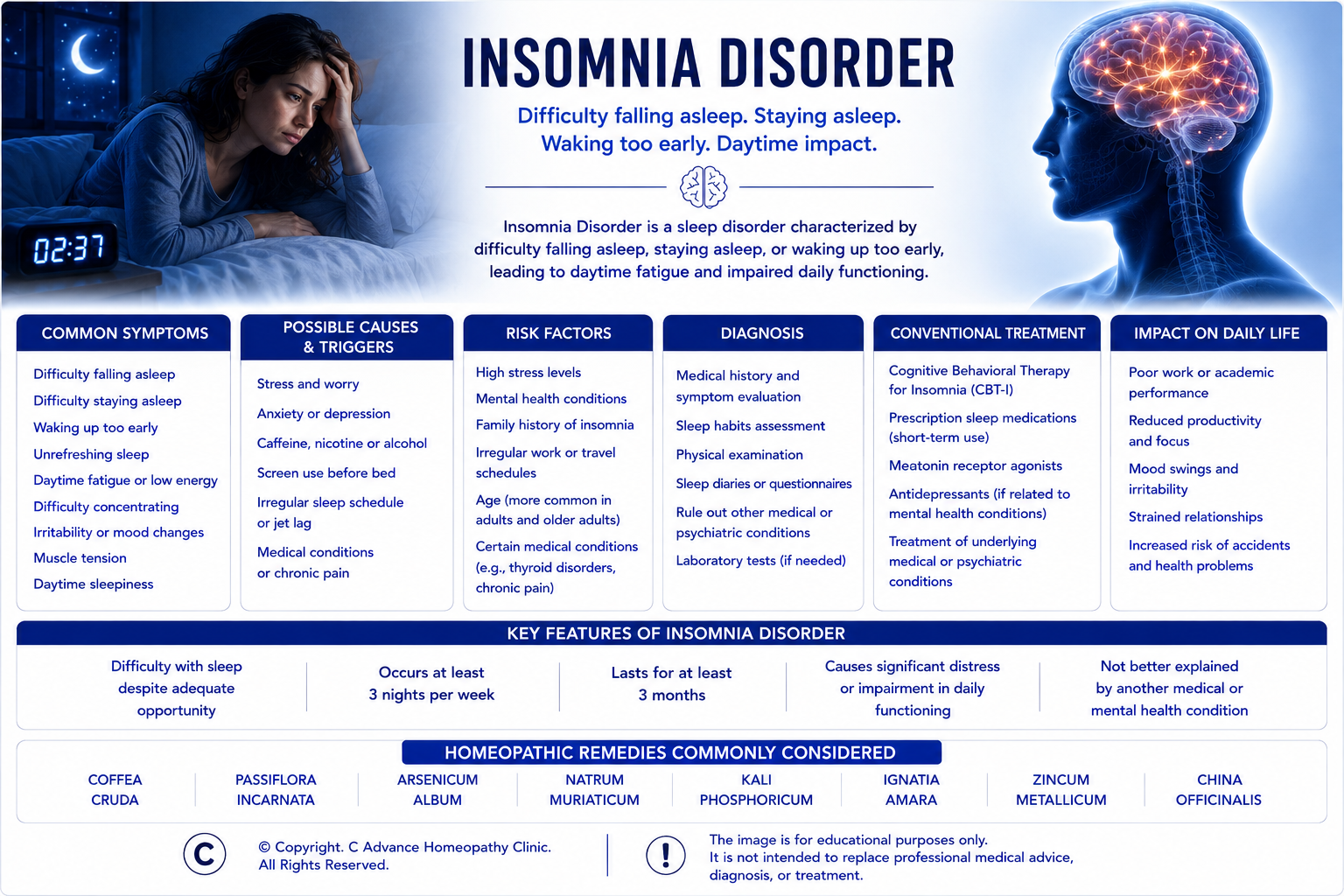
Common Signs & Symptoms of Insomnia Disorder
Patients with Insomnia Disorder may experience one or more of the following symptoms:
- Difficulty falling asleep
- Frequent waking during the night
- Waking earlier than intended
- Difficulty returning to sleep after waking
- Unrefreshing sleep
- Daytime fatigue
- Reduced concentration
- Poor memory
- Irritability
- Reduced work or academic performance
- Mood changes
- Daytime sleepiness
- Reduced motivation
- Increased risk of accidents due to impaired alertness
The severity and combination of symptoms vary from one individual to another.
Factors Associated with Increased Risk of Insomnia Disorder
Several factors have been associated with an increased likelihood of developing Insomnia Disorder, including:
- Increasing age
- Female gender
- Chronic psychological stress
- Anxiety disorders
- Depressive disorders
- Chronic pain conditions
- Medical illnesses
- Shift work
- Irregular sleep schedules
- Excessive caffeine intake
- Alcohol misuse
- Poor sleep habits
Having one or more of these factors does not necessarily mean that a person will develop Insomnia Disorder, but they may contribute to an increased susceptibility in some individuals.
Conditions That Should Be Excluded Before Diagnosing Insomnia Disorder
Several medical and psychiatric conditions may produce symptoms similar to Insomnia Disorder. Depending on the individual's clinical presentation, healthcare professionals may consider evaluating for:
- Anxiety disorders
- Major Depressive Disorder
- Bipolar Disorder
- Obstructive Sleep Apnoea
- Restless Legs Syndrome
- Circadian Rhythm Sleep-Wake Disorders
- Hyperthyroidism
- Chronic pain disorders
- Medication-related sleep disturbances
- Substance or alcohol misuse
A careful clinical evaluation helps ensure that the correct diagnosis is established and that appropriate treatment is recommended.
Conventional Management of Insomnia Disorder
The primary goals of treatment are to improve sleep quality, restore healthy sleep patterns, enhance daytime functioning, and improve overall quality of life.
Conventional management may include:
- Comprehensive medical and psychological assessment
- Sleep hygiene education
- Cognitive Behavioural Therapy for insomnia
- Relaxation techniques
- Stress management
- Treatment of underlying medical or psychiatric conditions
- Short-term use of sleep medications when clinically appropriate
- Regular follow-up with healthcare professionals
Treatment is individualized according to the patient's symptoms, overall health, personal preferences, and clinical requirements.
Homeopathic Medicines Commonly Considered for Insomnia Disorder
Some homeopathic medicines that may be considered by experienced homeopathic physicians for Insomnia Disorder include:
- Coffea Cruda
- Nux Vomica
- Arsenicum Album
- Passiflora Incarnata
- Aconitum Napellus
- Ignatia Amara
- Kali Phosphoricum
- Chamomilla
Homeopathic medicines should only be prescribed by a qualified homeopathic physician after an individualized clinical evaluation.
Important: Complementary Care for Insomnia Disorder
Insomnia Disorder should always be evaluated and managed by a qualified psychiatrist, sleep medicine specialist, clinical psychologist, family physician, or appropriately trained healthcare professional to confirm the diagnosis, determine the severity and duration of sleep disturbance, identify contributing psychological, medical, behavioural, and environmental factors, assess daytime functional impairment, evaluate the presence of coexisting mental health or sleep disorders, and develop an individualized treatment plan. Comprehensive evaluation commonly includes a detailed sleep history, assessment of sleep onset and maintenance difficulties, evaluation of daytime sleepiness, occupational and social functioning, review of medical history, medication and substance use history including caffeine, nicotine, and alcohol intake, assessment of emotional well-being, physical examination where appropriate, sleep diary, laboratory investigations when clinically indicated, and referral for overnight polysomnography (sleep study) or additional sleep assessments in selected patients. Accurate diagnosis is essential because persistent insomnia may also result from Generalized Anxiety Disorder, Major Depressive Disorder, Bipolar Disorder, Obstructive Sleep Apnoea (OSA), Restless Legs Syndrome, circadian rhythm sleep-wake disorders, chronic pain disorders, endocrine disorders, neurological diseases, medication-related conditions, substance use disorders, or other medical and psychiatric illnesses, each requiring different management.
Patients with stable Insomnia Disorder may be considered for individualized homeopathic treatment as a complementary approach following appropriate psychiatric or sleep medicine evaluation. Homeopathy may be integrated alongside Cognitive Behavioural Therapy for Insomnia (CBT-I), sleep hygiene education, stimulus control therapy, sleep restriction therapy where appropriate, stress management programmes, relaxation training, mindfulness-based interventions, regular physical activity, healthy lifestyle modification, prescribed medications where indicated, and regular follow-up with their psychiatrist, sleep medicine specialist, psychologist, or primary healthcare provider. Individualized homeopathic prescribing is based on the patient's complete clinical presentation, constitutional characteristics, sleep pattern, emotional and behavioural symptoms, associated medical conditions, lifestyle factors, environmental influences, coping strategies, personality characteristics, and overall health rather than the diagnosis alone.
Patients should continue all recommended conventional treatment, including comprehensive psychiatric or sleep assessment, Cognitive Behavioural Therapy for Insomnia (CBT-I), treatment of underlying psychiatric or medical disorders, sleep hygiene interventions, prescribed sleep medications where clinically indicated, management of obstructive sleep apnoea or other sleep disorders when present, lifestyle modification, and regular follow-up with their treating healthcare professional. Homeopathy should not be regarded as a substitute for evidence-based sleep medicine or psychiatric care, particularly in patients with severe insomnia causing marked daytime impairment, Bipolar Disorder, Major Depressive Disorder with suicidal thoughts, untreated Obstructive Sleep Apnoea, neurological disorders, substance use disorders, or other medical or psychiatric conditions requiring specialist management.
Patients with persistent insomnia despite appropriate treatment, worsening daytime fatigue, impaired occupational or academic performance, increasing emotional distress, uncertainty regarding the diagnosis, excessive daytime sleepiness, loud snoring with witnessed apnoea, symptoms suggestive of Restless Legs Syndrome, significant depressive symptoms, suicidal thoughts, or suspected coexisting psychiatric or sleep disorders should continue specialist psychiatric or sleep medicine follow-up and regular reassessment. Homeopathy should not replace recommended sleep studies, psychiatric evaluation, Cognitive Behavioural Therapy for Insomnia (CBT-I), prescribed medications, treatment of underlying medical conditions, or other evidence-based sleep medicine interventions recommended by the treating specialist.
Patients who develop suicidal thoughts, thoughts of self-harm, hallucinations, severe confusion, symptoms of mania, sudden episodes of falling asleep while driving or operating machinery, significant breathing pauses during sleep associated with daytime impairment, inability to care for themselves, rapidly worsening psychiatric symptoms, or any situation that places themselves or others at immediate risk of harm should seek immediate emergency psychiatric or medical attention, as these symptoms may indicate a psychiatric emergency, severe sleep disorder, acute neurological illness, or another serious medical condition requiring urgent specialist assessment, hospital-based care, or emergency mental health services.
7. Tobacco Use Disorder (Nicotine Dependence)
What is Tobacco Use Disorder (Nicotine Dependence)?
Many people begin smoking or using other tobacco products out of curiosity, social influence, or as a way of coping with stress. While some individuals can stop using tobacco without significant difficulty, others develop a nicotine dependence that makes quitting challenging despite recognising the harmful effects on their health.
Tobacco Use Disorder (Nicotine Dependence) is a recognised medical condition characterised by persistent tobacco use despite harmful consequences, difficulty reducing or stopping tobacco use, and the development of physical or psychological dependence on nicotine. Nicotine dependence is not simply a matter of willpower. It is a complex condition influenced by biological, psychological, behavioural, and social factors.
Tobacco Use Disorder is one of the leading preventable causes of illness and premature death worldwide. Smoking and other forms of tobacco use increase the risk of cardiovascular disease, chronic respiratory disease, stroke, multiple cancers, infertility, pregnancy complications, and numerous other health conditions.
Many people who attempt to quit smoking experience withdrawal symptoms such as irritability, anxiety, difficulty concentrating, increased appetite, sleep disturbances, and intense cravings for nicotine. These symptoms are a normal part of nicotine withdrawal and often contribute to repeated unsuccessful attempts to stop smoking.
The health benefits of quitting begin almost immediately after smoking cessation and continue to increase over time. Regardless of how long a person has smoked, stopping tobacco use significantly reduces the risk of developing serious smoking-related diseases and improves overall health and life expectancy.
Diagnostic Criteria for Tobacco Use Disorder (Nicotine Dependence) (DSM-5-TR Summary)
A diagnosis of Tobacco Use Disorder should only be made by a qualified healthcare professional following a comprehensive clinical assessment. According to the Diagnostic and Statistical Manual of Mental Disorders, Fifth Edition, Text Revision, the diagnosis generally includes:
- Persistent use of tobacco despite harmful physical, psychological, or social consequences.
- Difficulty reducing or stopping tobacco use despite repeated attempts.
- Cravings or a strong desire to use tobacco.
- Development of tolerance or withdrawal symptoms related to nicotine.
- Continued tobacco use causing clinically significant distress or impairment in daily functioning.
Clinical Note
Many smokers wish to quit but find it difficult because nicotine produces physical dependence as well as behavioural and psychological reinforcement. Successful smoking cessation often requires a combination of motivation, professional support, behavioural interventions, and, where appropriate, pharmacological treatment.
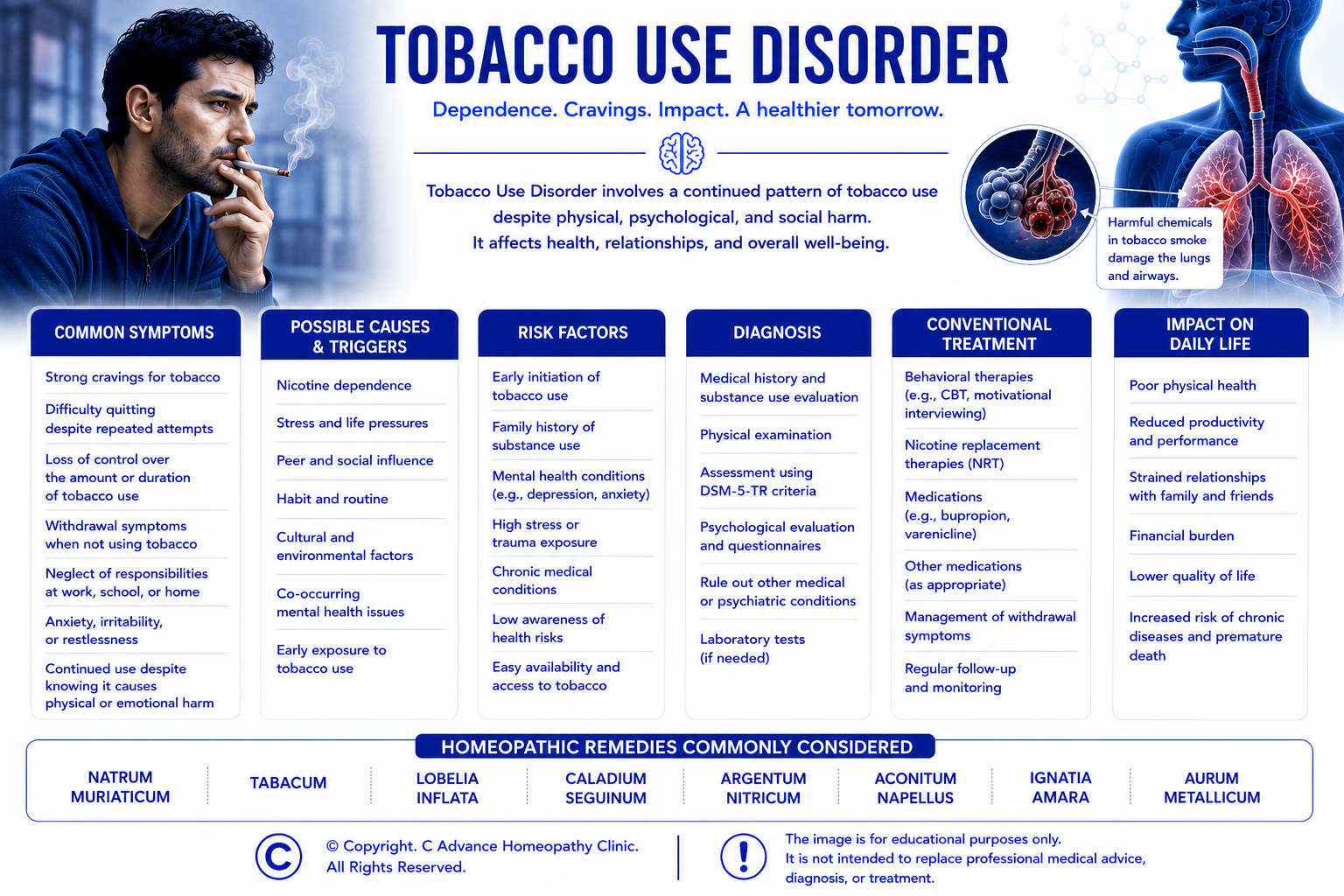
Common Signs & Symptoms of Tobacco Use Disorder (Nicotine Dependence)
Patients with Tobacco Use Disorder may experience one or more of the following features:
- Strong cravings for cigarettes or other tobacco products
- Difficulty controlling tobacco use
- Repeated unsuccessful attempts to quit
- Continued smoking despite awareness of health risks
- Irritability when unable to smoke
- Anxiety during nicotine withdrawal
- Difficulty concentrating
- Restlessness
- Increased appetite after reducing tobacco use
- Sleep disturbances during smoking cessation
- Smoking to relieve withdrawal symptoms
- Resuming smoking after previous quit attempts
The severity of nicotine dependence varies considerably from one individual to another.
Factors Associated with Increased Risk of Tobacco Use Disorder (Nicotine Dependence)
Several factors have been associated with an increased likelihood of developing Tobacco Use Disorder, including:
- Early initiation of smoking
- Family history of nicotine dependence
- Peer influence
- Chronic psychological stress
- Anxiety disorders
- Depressive disorders
- Exposure to tobacco use within the household
- Alcohol or other substance misuse
- Social and environmental influences
Having one or more of these factors does not necessarily mean that a person will develop Tobacco Use Disorder, but they may contribute to an increased susceptibility in some individuals.
Conditions That Should Be Addressed Alongside Tobacco Use Disorder (Nicotine Dependence)
People with Tobacco Use Disorder frequently have other medical or psychological conditions that should be assessed and managed appropriately, including:
- Anxiety disorders
- Major Depressive Disorder
- Chronic Obstructive Pulmonary Disease
- Asthma
- Coronary artery disease
- Hypertension
- Diabetes mellitus
- Alcohol or other substance use disorders
- Sleep disorders
A comprehensive clinical evaluation helps identify associated conditions and allows healthcare professionals to develop an individualized treatment plan.
Conventional Management of Tobacco Use Disorder (Nicotine Dependence)
The primary goals of treatment are to achieve long-term smoking cessation, reduce nicotine dependence, prevent relapse, and improve overall physical and mental health.
Conventional management may include:
- Comprehensive medical assessment
- Smoking cessation counselling
- Behavioural support programmes
- Individual or group counselling
- Nicotine replacement therapy when clinically appropriate
- Prescription medications to support smoking cessation when indicated
- Identification and management of smoking triggers
- Relapse prevention strategies
- Regular follow-up with healthcare professionals
Treatment is individualized according to the patient's level of nicotine dependence, medical history, previous quit attempts, and personal preferences.
Homeopathic Medicines Commonly Considered for Tobacco Use Disorder (Nicotine Dependence)
Some homeopathic medicines that may be considered by experienced homeopathic physicians for Tobacco Use Disorder include:
- Caladium Seguinum
- Tabacum
- Nux Vomica
- Staphysagria
- Arsenicum Album
- Plantago Major
- Lobelia Inflata
- Avena Sativa
Homeopathic medicines should only be prescribed by a qualified homeopathic physician after an individualized clinical evaluation.
Important: Complementary Care for Tobacco Use Disorder (Nicotine Dependence)
Tobacco Use Disorder (Nicotine Dependence) should always be evaluated and managed by a qualified psychiatrist, addiction medicine specialist, family physician, pulmonologist, clinical psychologist, or appropriately trained healthcare professional to confirm the diagnosis, assess the severity of nicotine dependence, identify contributing psychological, behavioural, and social factors, evaluate withdrawal symptoms and previous quit attempts, assess associated medical and psychiatric conditions, and develop an individualized smoking cessation plan. Comprehensive evaluation commonly includes a detailed smoking history including duration, quantity, nicotine dependence assessment, previous quit attempts, withdrawal symptoms, motivation to quit, review of medical history, medication and substance use history, screening for anxiety, depression, and other psychiatric disorders, physical examination where appropriate, assessment of cardiovascular and respiratory health, and additional investigations based on the individual's clinical presentation. Accurate diagnosis is essential because tobacco use frequently coexists with Major Depressive Disorder, Generalized Anxiety Disorder, substance use disorders, chronic respiratory diseases, cardiovascular disease, and other medical or psychiatric conditions, each of which may require concurrent management.
Patients who are motivated to quit smoking may be considered for individualized homeopathic treatment as a complementary approach following appropriate medical evaluation. Homeopathy may be integrated alongside structured smoking cessation programmes, behavioural counselling, Cognitive Behavioural Therapy (CBT), motivational interviewing, stress management strategies, regular physical activity, healthy sleep practices, nutritional guidance, prescribed smoking cessation medications where indicated, family support, relapse prevention programmes, and regular follow-up with their healthcare professional. Individualized homeopathic prescribing is based on the patient's complete clinical presentation, constitutional characteristics, nicotine withdrawal symptoms, emotional and behavioural patterns, previous quit attempts, associated medical conditions, lifestyle factors, coping strategies, motivation for cessation, and overall health rather than the diagnosis alone.
Patients should continue all recommended conventional treatment, including behavioural counselling, Cognitive Behavioural Therapy (CBT), nicotine replacement therapy (NRT), varenicline, bupropion where clinically appropriate, structured smoking cessation programmes, relapse prevention strategies, management of associated psychiatric or medical conditions, and regular follow-up with their treating healthcare professional. Homeopathy should not be regarded as a substitute for evidence-based smoking cessation interventions, particularly in patients with severe nicotine dependence, repeated relapse despite treatment, significant psychiatric illness, pregnancy, advanced cardiovascular disease, chronic respiratory disease, or other medical conditions requiring specialist management.
Patients with persistent difficulty quitting despite appropriate treatment, repeated relapse, worsening depression or anxiety during smoking cessation, severe nicotine withdrawal symptoms, uncertainty regarding the diagnosis, significant substance use disorders, or suspected coexisting psychiatric conditions should continue specialist psychiatric, addiction medicine, or smoking cessation follow-up and regular reassessment. Homeopathy should not replace recommended behavioural therapy, structured smoking cessation programmes, nicotine replacement therapy, prescribed medications, psychiatric evaluation, or other evidence-based addiction treatments recommended by the treating specialist.
Patients who develop suicidal thoughts, thoughts of self-harm, severe depression, symptoms of mania, hallucinations, severe behavioural changes, chest pain, severe breathlessness, neurological symptoms suggestive of stroke, or any sudden deterioration in their physical or mental health should seek immediate emergency medical or psychiatric attention, as these symptoms may indicate a psychiatric emergency, acute cardiovascular event, acute respiratory illness, neurological emergency, severe medication-related adverse effects, or another serious medical condition requiring urgent specialist assessment and hospital-based care.
8. Bipolar Disorder
What is Bipolar Disorder?
Everyone experiences changes in mood in response to life's circumstances. Feeling happy after positive events or sad during difficult times is a normal part of emotional life. Some people may also have periods when they feel particularly energetic, motivated, or productive without having a mental health disorder.
Bipolar Disorder is different because it is a recognised mental health condition characterised by recurring episodes of depression and episodes of abnormally elevated, expansive, or irritable mood. These mood changes are often accompanied by significant changes in energy, activity levels, sleep patterns, thinking, judgement, and behaviour. The episodes are more intense than ordinary mood fluctuations and can significantly interfere with work, education, relationships, and daily functioning.
During depressive episodes, individuals may experience persistent sadness, loss of interest in activities, fatigue, hopelessness, difficulty concentrating, changes in appetite or sleep, and, in some cases, thoughts of self-harm or suicide. During manic or hypomanic episodes, individuals may feel unusually energetic, require very little sleep, speak more rapidly than usual, become excessively confident, engage in impulsive or high-risk behaviours, or make decisions that they later regret.
Because many people seek medical attention only during depressive episodes, Bipolar Disorder may initially be mistaken for Major Depressive Disorder. A careful clinical assessment, including a detailed history of previous mood changes, is essential for establishing the correct diagnosis and selecting appropriate treatment.
With early diagnosis, appropriate treatment, and regular follow-up, many individuals with Bipolar Disorder are able to achieve good symptom control and lead productive, fulfilling lives.
Diagnostic Criteria for Bipolar Disorder (DSM-5-TR Summary)
A diagnosis of Bipolar Disorder should only be made by a qualified healthcare professional following a comprehensive clinical assessment. According to the Diagnostic and Statistical Manual of Mental Disorders, Fifth Edition, Text Revision, the diagnosis generally includes:
- One or more episodes of mania or hypomania, depending on the type of Bipolar Disorder.
- Depressive episodes may also occur and are common in many individuals with Bipolar Disorder.
- Mood episodes causing clinically significant distress or impairment in social, occupational, educational, or other important areas of functioning.
- Symptoms that are not better explained by another medical condition, medication, substance use, or another mental health disorder.
Clinical Note
Bipolar Disorder is commonly confused with Major Depressive Disorder because many patients first seek treatment during a depressive episode. Identifying previous episodes of mania or hypomania is essential, as treatment strategies differ considerably between these conditions. A comprehensive psychiatric assessment is necessary before confirming the diagnosis and initiating treatment.
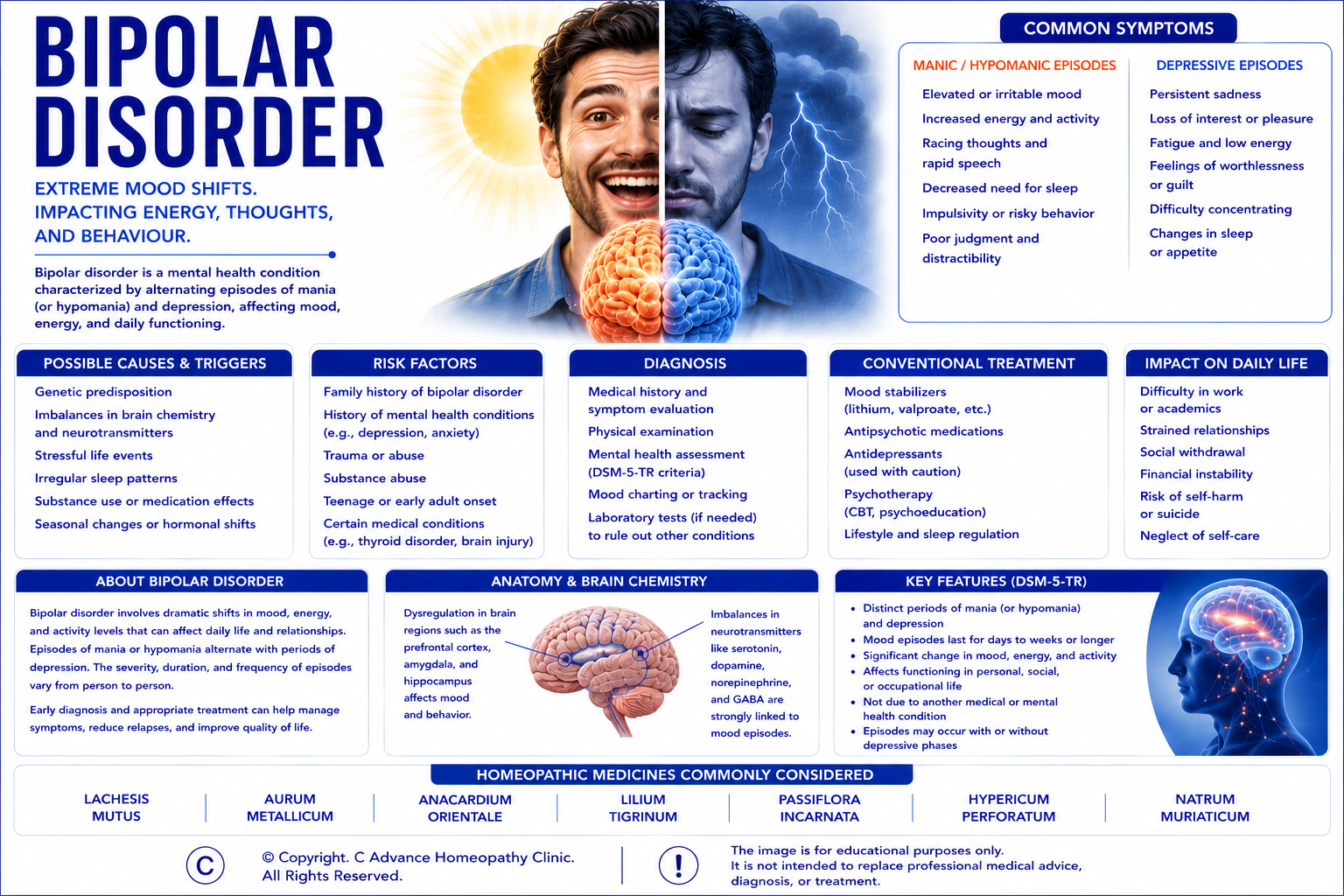
Common Signs & Symptoms of Bipolar Disorder
Patients with Bipolar Disorder may experience one or more of the following symptoms during different phases of the illness:
- Persistent sadness or depressed mood
- Loss of interest or pleasure in daily activities
- Fatigue or reduced energy
- Feelings of hopelessness or worthlessness
- Difficulty concentrating
- Changes in appetite or weight
- Difficulty sleeping or sleeping excessively
- Thoughts of death or suicide during depressive episodes
- Unusually elevated, expansive, or irritable mood
- Increased energy and activity levels
- Reduced need for sleep
- Rapid or excessive speech
- Racing thoughts
- Increased self-confidence or grandiosity
- Poor judgement or impulsive decision-making
- Increased involvement in risky activities
The severity, duration, and combination of symptoms vary from one individual to another and between mood episodes.
Factors Associated with Increased Risk of Bipolar Disorder
Several factors have been associated with an increased likelihood of developing Bipolar Disorder, including:
- Family history of Bipolar Disorder or other mood disorders
- Genetic susceptibility
- Significant psychological stress
- Major life events
- Sleep deprivation
- Substance or alcohol misuse
- Certain medical or neurological conditions
Having one or more of these factors does not necessarily mean that a person will develop Bipolar Disorder, but they may contribute to an increased susceptibility in some individuals.
Conditions That Should Be Excluded Before Diagnosing Bipolar Disorder
Several medical and psychiatric conditions may produce symptoms similar to Bipolar Disorder. Depending on the individual's clinical presentation, healthcare professionals may consider evaluating for:
- Major Depressive Disorder
- Cyclothymic Disorder
- Attention-Deficit/Hyperactivity Disorder
- Schizoaffective Disorder
- Schizophrenia Spectrum and Other Psychotic Disorders
- Hyperthyroidism
- Medication-induced mood changes
- Substance or alcohol misuse
- Neurological disorders
A careful clinical evaluation helps ensure that the correct diagnosis is established and that appropriate treatment is recommended.
Conventional Management of Bipolar Disorder
The primary goals of treatment are to stabilise mood, reduce the frequency and severity of mood episodes, improve daily functioning, prevent relapse, and enhance long-term quality of life.
Conventional management may include:
- Comprehensive psychiatric assessment
- Mood-stabilising medications
- Psychological therapies when appropriate
- Psychoeducation for patients and families
- Regular sleep and daily routines
- Stress management
- Avoidance of alcohol and recreational drugs
- Regular follow-up with mental health professionals
- Hospital-based care when clinically necessary during severe episodes
Treatment is individualized according to the patient's symptoms, the type of Bipolar Disorder, overall health, and previous response to treatment.
Homeopathic Medicines Commonly Considered for Bipolar Disorder
Some homeopathic medicines that may be considered by experienced homeopathic physicians as part of an individualized complementary treatment approach for Bipolar Disorder include:
- Aurum Metallicum
- Anacardium Orientale
- Hyoscyamus Niger
- Stramonium
- Veratrum Album
- Lachesis Mutus
- Natrum Muriaticum
- Arsenicum Album
Homeopathic medicines should only be prescribed by a qualified homeopathic physician after an individualized clinical evaluation.
Important: Complementary Care for Bipolar Disorder (Complementary Supportive Care)
Bipolar Disorder should always be evaluated and managed by a qualified psychiatrist or appropriately trained mental healthcare professional to confirm the diagnosis, determine the type and severity of Bipolar Disorder, assess current mood state, identify contributing biological, psychological, and social factors, evaluate functional impairment and suicide risk, and develop an individualized long-term management plan. Comprehensive evaluation commonly includes a detailed psychiatric history, assessment of previous manic, hypomanic, and depressive episodes, evaluation of sleep patterns, occupational and social functioning, review of medical history, medication and substance use history, physical examination where appropriate, comprehensive suicide risk assessment, screening for psychotic symptoms, laboratory investigations when clinically indicated, and additional psychological or psychiatric assessment based on the individual's clinical presentation. Accurate diagnosis is essential because mood instability may also occur in Major Depressive Disorder, Borderline Personality Disorder, Attention-Deficit/Hyperactivity Disorder (ADHD), substance use disorders, thyroid disorders, neurological diseases, medication-induced mood disorders, or other psychiatric and medical illnesses, each requiring different management.
Patients with stable Bipolar Disorder who are under regular psychiatric care may be considered for individualized homeopathic treatment as a complementary supportive approach following appropriate psychiatric evaluation. Homeopathy may be integrated alongside prescribed mood stabilizing medications, psychoeducation, Cognitive Behavioural Therapy (CBT) where appropriate, Interpersonal and Social Rhythm Therapy (IPSRT), family-focused therapy, maintenance of regular sleep and daily routines, stress management programmes, healthy lifestyle measures, avoidance of alcohol and recreational drugs, family education and support, and regular follow-up with their psychiatrist. Individualized homeopathic prescribing is based on the patient's complete clinical presentation, constitutional characteristics, emotional and behavioural symptoms, mood patterns, associated physical symptoms, medical history, lifestyle factors, coping strategies, social circumstances, and overall health rather than the diagnosis alone.
Patients should continue all recommended conventional treatment, including regular psychiatric assessment, prescribed mood stabilizers, atypical antipsychotic medications or antidepressants when clinically indicated and carefully supervised, evidence-based psychotherapy, relapse prevention strategies, monitoring for medication effectiveness and adverse effects, management of associated medical conditions, and ongoing psychiatric follow-up. Homeopathy should not be regarded as a substitute for evidence-based psychiatric care, particularly in patients with acute mania, Bipolar Depression with suicidal thoughts, psychotic symptoms, rapid cycling Bipolar Disorder, severe functional impairment, poor treatment adherence, substance use disorders, or other psychiatric conditions requiring specialist mental healthcare.
Patients with persistent mood instability despite appropriate treatment, recurrent manic or depressive episodes, worsening occupational or social functioning, increasing impulsive behaviour, uncertainty regarding the diagnosis, medication non-adherence, emerging psychotic symptoms, suicidal thoughts, or significant deterioration in mental health should continue specialist psychiatric follow-up and regular reassessment. Homeopathy should not replace recommended psychiatric evaluation, prescribed mood stabilizing medications, psychological therapy, crisis intervention services, hospitalization when indicated, or other evidence-based mental health treatments recommended by the treating specialist.
Patients who develop suicidal thoughts, suicidal plans or intent, thoughts of self-harm, thoughts of harming others, hallucinations, delusions, severe mania with loss of judgment, extreme agitation, aggressive behaviour, inability to care for themselves, severe depressive symptoms with inability to eat or drink adequately, rapidly worsening psychiatric symptoms, or any situation that places themselves or others at immediate risk of harm should seek immediate emergency psychiatric or medical attention, as these symptoms may indicate a psychiatric emergency requiring urgent specialist assessment, crisis intervention, hospital-based care, or other emergency mental health services.
9. Post-Traumatic Stress Disorder
What is Post-Traumatic Stress Disorder?
Experiencing fear, anxiety, sadness, or emotional distress after a traumatic event is a normal human response. Many people gradually recover with time, support from family and friends, and appropriate coping strategies. However, for some individuals, the emotional and physical effects of trauma persist long after the event has ended and begin to interfere with daily life.
Post-Traumatic Stress Disorder is a recognised mental health condition that may develop after experiencing or witnessing a traumatic event such as a serious accident, physical or sexual assault, domestic violence, military combat, natural disasters, terrorism, or other life-threatening situations. Not everyone who experiences trauma develops Post-Traumatic Stress Disorder, and the severity of the traumatic event alone does not determine whether the condition will occur.
Individuals with Post-Traumatic Stress Disorder may repeatedly relive the traumatic event through distressing memories, nightmares, or flashbacks. Many try to avoid people, places, conversations, or situations that remind them of the trauma. Others experience persistent feelings of fear, guilt, emotional numbness, irritability, difficulty sleeping, or being constantly alert to potential danger. These symptoms can affect relationships, employment, education, physical health, and overall quality of life.
Symptoms may begin soon after the traumatic event or may not become fully apparent until months later. With early recognition, trauma-informed care, and appropriate treatment, many individuals with Post-Traumatic Stress Disorder experience significant improvement and regain confidence in their daily lives.
Diagnostic Criteria for Post-Traumatic Stress Disorder (DSM-5-TR Summary)
A diagnosis of Post-Traumatic Stress Disorder should only be made by a qualified healthcare professional following a comprehensive clinical assessment. According to the Diagnostic and Statistical Manual of Mental Disorders, Fifth Edition, Text Revision, the diagnosis generally includes:
- Exposure to a traumatic event involving actual or threatened death, serious injury, or sexual violence.
- Persistent symptoms such as intrusive memories, nightmares, or flashbacks related to the traumatic event.
- Avoidance of reminders associated with the trauma.
- Negative changes in thoughts, emotions, or mood following the traumatic event.
- Persistent changes in alertness or reactivity, such as irritability, exaggerated startle response, difficulty concentrating, or sleep disturbance.
- Symptoms lasting for more than one month and causing clinically significant distress or impairment in social, occupational, educational, or other important areas of functioning.
- Symptoms that are not better explained by another medical condition, medication, substance use, or another mental health disorder.
Clinical Note
Many people experience emotional distress after a traumatic event without developing Post-Traumatic Stress Disorder. A careful clinical assessment is necessary to distinguish normal recovery from a condition requiring professional treatment and to identify other mental health disorders that may occur alongside trauma-related symptoms.

Common Signs & Symptoms of Post-Traumatic Stress Disorder
Patients with Post-Traumatic Stress Disorder may experience one or more of the following symptoms:
- Recurrent distressing memories of the traumatic event
- Nightmares related to the trauma
- Flashbacks or feeling as though the traumatic event is happening again
- Emotional distress when reminded of the trauma
- Avoidance of people, places, conversations, or activities associated with the traumatic event
- Persistent fear or anxiety
- Emotional numbness or feeling detached from others
- Feelings of guilt, shame, or hopelessness
- Irritability or angry outbursts
- Being constantly alert or watchful
- Exaggerated startle response
- Difficulty concentrating
- Sleep disturbances
- Social withdrawal
The severity and combination of symptoms vary considerably from one individual to another.
Factors Associated with Increased Risk of Post-Traumatic Stress Disorder
Several factors have been associated with an increased likelihood of developing Post-Traumatic Stress Disorder, including:
- Exposure to severe or repeated traumatic events
- Childhood trauma or adverse childhood experiences
- Previous mental health disorders
- Family history of anxiety or mood disorders
- Limited social support following the traumatic event
- Ongoing life stress
- Substance or alcohol misuse
- Occupations with increased exposure to traumatic events, such as military personnel, emergency responders, healthcare professionals, and law enforcement officers
Having one or more of these factors does not necessarily mean that a person will develop Post-Traumatic Stress Disorder, but they may increase vulnerability in some individuals.
Conditions That Should Be Excluded Before Diagnosing Post-Traumatic Stress Disorder
Several medical and psychiatric conditions may produce symptoms similar to Post-Traumatic Stress Disorder. Depending on the individual's clinical presentation, healthcare professionals may consider evaluating for:
- Acute Stress Disorder
- Adjustment Disorder
- Generalized Anxiety Disorder
- Panic Disorder
- Major Depressive Disorder
- Bipolar Disorder
- Substance or alcohol misuse
- Traumatic brain injury
- Sleep disorders
A careful clinical evaluation helps ensure that the correct diagnosis is established and that appropriate treatment is recommended.
Conventional Management of Post-Traumatic Stress Disorder
The primary goals of treatment are to reduce trauma-related symptoms, improve emotional well-being, restore daily functioning, strengthen coping skills, and improve overall quality of life.
Conventional management may include:
- Comprehensive psychiatric or psychological assessment
- Trauma-focused psychological therapies
- Cognitive Behavioural Therapy
- Eye Movement Desensitization and Reprocessing where clinically appropriate
- Stress management techniques
- Medications when clinically indicated
- Family education and support
- Treatment of associated anxiety, depression, or sleep disturbances
- Regular follow-up with mental health professionals
Treatment is individualized according to the patient's symptoms, the nature of the traumatic experience, overall health, and personal treatment goals.
Homeopathic Medicines Commonly Considered for Post-Traumatic Stress Disorder
Some homeopathic medicines that may be considered by experienced homeopathic physicians as part of an individualized complementary treatment approach for Post-Traumatic Stress Disorder include:
- Aconitum Napellus
- Ignatia Amara
- Natrum Muriaticum
- Staphysagria
- Arnica Montana
- Opium
- Stramonium
- Aurum Metallicum
Homeopathic medicines should only be prescribed by a qualified homeopathic physician after an individualized clinical evaluation.
Important: Complementary Care for Post-Traumatic Stress Disorder (PTSD) (Complementary Supportive Care)
Post-Traumatic Stress Disorder (PTSD) should always be evaluated and managed by a qualified psychiatrist, clinical psychologist, trauma specialist, or appropriately trained mental healthcare professional to confirm the diagnosis, assess the severity of trauma-related symptoms, identify contributing psychological, biological, and social factors, evaluate functional impairment and suicide risk, and develop an individualized treatment plan. Comprehensive evaluation commonly includes a detailed psychiatric history, assessment of traumatic experiences and current symptoms, evaluation of intrusive memories, nightmares, flashbacks, avoidance behaviours, mood changes, hypervigilance, sleep disturbance, occupational and social functioning, review of medical history, medication and substance use history, physical examination where appropriate, comprehensive suicide risk assessment, screening for depression, anxiety, dissociative symptoms, substance use disorders, and additional psychological or psychiatric assessment based on the individual's clinical presentation. Accurate diagnosis is essential because trauma-related symptoms may also occur in Acute Stress Disorder, Generalized Anxiety Disorder, Panic Disorder, Major Depressive Disorder, Obsessive-Compulsive Disorder (OCD), dissociative disorders, substance use disorders, traumatic brain injury, neurological disorders, or other psychiatric and medical illnesses, each requiring different management.
Patients with stable Post-Traumatic Stress Disorder who are under regular psychiatric care may be considered for individualized homeopathic treatment as a complementary supportive approach following appropriate psychiatric evaluation. Homeopathy may be integrated alongside trauma-focused Cognitive Behavioural Therapy (TF-CBT), Eye Movement Desensitization and Reprocessing (EMDR), other evidence-based trauma-focused psychotherapies, stress management programmes, relaxation techniques, healthy sleep practices, regular physical activity, family education and support, prescribed psychiatric medications where indicated, lifestyle modification, and regular follow-up with their psychiatrist, psychologist, or trauma specialist. Individualized homeopathic prescribing is based on the patient's complete clinical presentation, constitutional characteristics, emotional and behavioural symptoms, trauma response, associated physical symptoms, coping strategies, medical history, lifestyle factors, social environment, and overall health rather than the diagnosis alone.
Patients should continue all recommended conventional treatment, including comprehensive psychiatric assessment, trauma-focused psychotherapy, prescribed antidepressant medications or other psychiatric medications where clinically indicated, management of associated anxiety, depression, sleep disorders, or substance use disorders, relapse prevention strategies, crisis intervention when required, and regular follow-up with their mental healthcare professional. Homeopathy should not be regarded as a substitute for evidence-based psychiatric or psychological care, particularly in patients with severe PTSD, recurrent suicidal thoughts, severe depression, dissociative symptoms, psychotic symptoms, substance use disorders, marked functional impairment, or other psychiatric conditions requiring specialist mental healthcare.
Patients with persistent PTSD symptoms despite appropriate treatment, worsening occupational or social functioning, increasing avoidance behaviour, severe sleep disturbance, recurrent traumatic flashbacks, uncertainty regarding the diagnosis, significant depressive symptoms, suicidal thoughts, substance misuse, or suspected coexisting psychiatric disorders should continue specialist psychiatric follow-up and regular reassessment. Homeopathy should not replace recommended psychiatric evaluation, trauma-focused psychotherapy, prescribed medications, crisis intervention services, inpatient treatment when indicated, or other evidence-based mental health treatments recommended by the treating specialist.
Patients who develop suicidal thoughts, suicidal plans or intent, thoughts of self-harm, thoughts of harming others, hallucinations, delusions, severe dissociation with inability to remain safe, extreme agitation, inability to care for themselves, rapidly worsening psychiatric symptoms, or any situation that places themselves or others at immediate risk of harm should seek immediate emergency psychiatric or medical attention, as these symptoms may indicate a psychiatric emergency requiring urgent specialist assessment, crisis intervention, hospital-based care, or other emergency mental health services.
A Note About Homeopathic Medicines
Homeopathy follows an individualized approach to patient care. Unlike conventional medicine, where treatment is often selected according to the diagnosis, homeopathic medicines are prescribed after considering the individual's complete clinical picture. This includes the person's presenting symptoms, medical history, emotional and physical characteristics, associated medical conditions, lifestyle, and other factors that may influence health.
For this reason, two individuals with the same psychiatric diagnosis may not necessarily receive the same homeopathic medicine. The choice of remedy is based on the overall pattern of symptoms rather than the disease name alone.
At Advance Homeopathy Clinic Dubai, homeopathic medicines are prescribed only after a comprehensive consultation conducted by a qualified homeopathic physician. The objective is to provide individualized complementary care while working alongside conventional medical and psychological treatment whenever appropriate.
Patients should not self-prescribe homeopathic medicines based on information found on websites, social media, or advice from friends or family. Many homeopathic medicines may appear suitable for the same condition, but selecting the most appropriate medicine requires professional clinical judgement and an understanding of the individual's unique symptom pattern.
Homeopathy should always be regarded as a complementary approach and should not replace psychiatric assessment, psychological therapy, prescribed medications, crisis intervention, or emergency medical care when these are medically indicated. Patients should continue all recommended treatment plans and should never stop prescribed psychiatric medications without consulting their treating physician.
Our Clinical Approach
At Advance Homeopathy Clinic Dubai, we believe that effective homeopathic care begins with understanding the individual rather than focusing only on the diagnosis. While psychiatric diagnoses help guide conventional management, homeopathic prescribing requires a broader understanding of the person's physical health, emotional experiences, behavioural patterns, and the unique way in which symptoms have developed over time.
Our consultations are therefore designed to provide a comprehensive evaluation that helps us understand each patient's overall health rather than simply treating isolated symptoms.
Comprehensive Clinical Assessment
During the consultation, our homeopathic physician conducts a detailed assessment that may include:
- The patient's current symptoms and how they affect daily life
- The onset, progression, duration, and pattern of symptoms
- Emotional and psychological experiences
- Sleep patterns, energy levels, appetite, and other physical characteristics
- Previous medical history and ongoing medical conditions
- Current medications and previous treatments
- Family history where relevant
- Lifestyle, occupational factors, and significant life events that may influence health
When appropriate, we also review previous medical records, laboratory investigations, imaging studies, psychological assessments, or specialist reports to better understand the patient's overall clinical picture.
Individualized Remedy Selection
One of the fundamental principles of homeopathy is that treatment is individualized. Two patients with the same diagnosis may receive different homeopathic medicines because their symptoms, emotional responses, physical characteristics, medical history, and overall pattern of illness may differ considerably.
Rather than selecting a medicine solely according to the diagnosis, we evaluate the complete clinical picture before recommending an individualized homeopathic prescription.
Integrated Healthcare Approach
Mental health conditions often benefit from multidisciplinary care. Depending on the patient's diagnosis and clinical needs, we encourage continued collaboration with psychiatrists, psychologists, family physicians, counsellors, sleep specialists, addiction specialists, and other healthcare professionals involved in the patient's care.
When patients are already receiving conventional treatment, homeopathy is provided as a complementary approach and not as a substitute for evidence-based psychiatric care. We strongly advise patients not to stop or alter prescribed psychiatric medications without consulting their treating physician.
Ongoing Follow-up and Treatment Review
Mental health conditions may change over time, and treatment plans should evolve accordingly. Regular follow-up consultations allow us to assess progress, review any changes in symptoms, monitor the patient's overall health, and make appropriate adjustments to the individualized homeopathic prescription when clinically indicated.
We believe that effective healthcare is built on careful observation, open communication, evidence-informed clinical decision-making, and collaboration between the patient and all healthcare professionals involved in their care.
Why Choose Advance Homeopathy Clinic Dubai?
Choosing the right healthcare provider is an important decision, particularly when seeking care for mental health conditions. At Advance Homeopathy Clinic Dubai, we are committed to providing ethical, individualized, and patient-centred homeopathic care while working alongside evidence-based medical and psychological treatment whenever appropriate.
Individualized Homeopathic Care
Every patient is unique. Rather than prescribing treatment based solely on a diagnosis, we conduct a comprehensive clinical assessment to understand the individual's physical symptoms, emotional experiences, medical history, lifestyle, and overall pattern of illness before selecting an individualized homeopathic medicine.
Experienced Clinical Leadership
Our clinic is led by Dr. Aalim Dhandhukia, Medical Director of Advance Homeopathy Clinic Dubai, who has more than 35 years of clinical and teaching experience in homeopathy. His extensive experience includes treating patients with a wide variety of acute and chronic health conditions and mentoring homeopathic practitioners through clinical education and professional training.
Evidence-Informed and Ethical Practice
We believe that responsible healthcare is built upon accurate diagnosis, careful clinical evaluation, patient safety, and ethical medical practice. Homeopathy should complement—not replace—appropriate conventional medical care when required. We encourage our patients to continue recommended psychiatric treatment, psychological therapy, prescribed medications, and specialist follow-up whenever clinically indicated.
Comprehensive Clinical Evaluation
Our consultations are designed to understand the whole person rather than focusing only on the presenting diagnosis. We carefully evaluate the patient's symptoms, medical history, emotional well-being, lifestyle, previous treatments, and associated health conditions before developing an individualized treatment plan.
Collaborative Healthcare Approach
Many mental health conditions benefit from multidisciplinary care. We encourage patients to maintain ongoing communication with their psychiatrists, psychologists, family physicians, and other healthcare professionals involved in their treatment. Our goal is to provide complementary homeopathic care as part of an integrated healthcare approach.
International Patient Care
Advance Homeopathy Clinic Dubai provides both in-clinic and online consultations, allowing patients from Dubai, across the UAE, and internationally to access individualized homeopathic care. We have experience caring for patients from diverse cultural and professional backgrounds, and our consultations are conducted with respect, confidentiality, and professionalism.
Patient Education
We believe that informed patients make better healthcare decisions. During consultations, we encourage patients to ask questions and understand their diagnosis, treatment options, expected course of care, and the complementary role of homeopathy within an overall treatment plan.
Compassionate and Confidential Care
Mental health concerns are often deeply personal. Every consultation is conducted in a confidential, respectful, and non-judgemental environment where patients are encouraged to discuss their concerns openly. Our aim is to build a trusting therapeutic relationship based on empathy, professionalism, and mutual respect.
Frequently Asked Questions (FAQs)
1. Can homeopathy treat anxiety, depression, or other mental health conditions?
Homeopathy may be considered as a complementary approach for individuals experiencing conditions such as Generalized Anxiety Disorder, Panic Disorder, Major Depressive Disorder, Persistent Depressive Disorder, Obsessive-Compulsive Disorder, Insomnia Disorder, Tobacco Use Disorder, Bipolar Disorder, and Post-Traumatic Stress Disorder. Treatment is individualized and should always be provided by a qualified homeopathic physician after a comprehensive clinical evaluation.
For many patients, homeopathy is used alongside conventional medical care, psychological therapy, and other evidence-based treatments rather than as a replacement.
2. Can homeopathy replace antidepressants, anti-anxiety medicines, or other psychiatric medications?
No. Patients should never stop or reduce prescribed psychiatric medications without consulting their treating psychiatrist or physician. Homeopathy should be regarded as a complementary approach and, when appropriate, integrated with conventional psychiatric care.
Any changes to prescribed medications should always be made under medical supervision.
3. How are homeopathic medicines selected for mental health conditions?
Homeopathic treatment is individualized. During the consultation, the homeopathic physician evaluates the patient's current symptoms, medical history, emotional experiences, sleep patterns, physical characteristics, lifestyle, associated medical conditions, previous treatments, and overall symptom pattern before selecting an appropriate homeopathic medicine.
Two individuals with the same diagnosis may receive different homeopathic medicines because their overall clinical picture may differ significantly.
4. Do I need a psychiatric diagnosis before consulting a homeopathic physician?
Not necessarily. Some patients already have a diagnosis made by a psychiatrist or psychologist, while others consult because they are experiencing symptoms such as anxiety, persistent sadness, panic attacks, obsessive thoughts, sleep disturbance, or emotional stress.
If appropriate, further medical or psychiatric assessment may be recommended to establish an accurate diagnosis before beginning complementary treatment.
5. Can homeopathy be used alongside counselling or psychological therapy?
Yes. Homeopathy can generally be used alongside psychological therapies such as Cognitive Behavioural Therapy, trauma-focused therapy, counselling, psychotherapy, and other evidence-based mental health interventions.
Many patients benefit from a multidisciplinary approach that involves collaboration between different healthcare professionals.
6. Are homeopathic medicines safe?
When prescribed by a qualified homeopathic physician and used appropriately, homeopathic medicines are generally considered to have a favourable safety profile. However, they should be taken according to professional advice, and patients should always inform their healthcare providers about all medicines and treatments they are using.
Homeopathy should not delay appropriate medical assessment or emergency treatment when required.
7. How long does homeopathic treatment usually take?
The duration of treatment varies considerably from one person to another. It depends on several factors, including the diagnosis, severity of symptoms, duration of illness, associated medical conditions, previous treatments, overall health, and the individual's response to treatment.
During follow-up consultations, treatment is reviewed regularly and adjusted according to the patient's clinical progress.
8. Can children and adolescents receive homeopathic treatment for mental health concerns?
Children and adolescents experiencing emotional or behavioural concerns should first undergo an appropriate assessment by a qualified healthcare professional.
When considered suitable, homeopathy may be used as a complementary approach under the supervision of a qualified homeopathic physician, while continuing any recommended paediatric, psychological, psychiatric, educational, or behavioural interventions.
9. When should someone seek urgent psychiatric or emergency medical care?
Immediate medical attention should be sought if a person experiences:
- Suicidal thoughts or behaviour
- Thoughts of self-harm or harming others
- Hallucinations or delusions
- Severe confusion
- Extreme agitation or aggression
- A sudden inability to care for themselves
- Rapidly worsening mental health symptoms
Emergency medical care should never be delayed while seeking complementary treatment.
10. Do you offer online consultations?
Yes. Advance Homeopathy Clinic Dubai offers both in-clinic and online consultations, allowing patients from the UAE and many other countries to access individualized homeopathic care where appropriate.
11. Is everything discussed during my consultation confidential?
Yes. Patient confidentiality is a fundamental part of professional healthcare practice. Information shared during your consultation is handled with respect, privacy, and confidentiality in accordance with applicable professional and legal requirements.
12. How do I know whether homeopathy is appropriate for my condition?
The most appropriate way to determine whether homeopathy may be suitable is through a comprehensive consultation with a qualified homeopathic physician.
During the consultation, we evaluate your symptoms, medical history, current treatments, and overall health before discussing whether homeopathy may be considered as part of your individual care plan. If we believe another form of medical or psychological care is more appropriate, we will advise you accordingly.
Research in Homeopathy and Psychiatric Disorders
Research Overview
Homeopathy has been investigated as a complementary approach in the management of a variety of psychiatric and mental health disorders, particularly conditions characterized by anxiety, depression, emotional distress, sleep disturbance, stress-related symptoms, and impairment in psychological and social functioning. Published research has explored individualized homeopathic treatment in patients with Generalized Anxiety Disorder (GAD), Panic Disorder, Major Depressive Disorder (MDD), Persistent Depressive Disorder (Dysthymia), Insomnia Disorder, Obsessive-Compulsive Disorder (OCD), Post-Traumatic Stress Disorder (PTSD), Tobacco Use Disorder (Nicotine Dependence), and other common mental health conditions. Comparatively fewer published studies have specifically evaluated Bipolar Disorder, PTSD, and severe psychiatric illnesses, where available evidence remains limited.
The available scientific literature includes randomized controlled trials, observational studies, pragmatic clinical studies, cohort studies, case series, systematic reviews, and narrative reviews. Most published studies have evaluated outcomes such as symptom severity, anxiety and depression scores, sleep quality, psychological well-being, emotional functioning, quality of life, occupational and social functioning, medication use, patient satisfaction, and patient-reported clinical improvement, rather than demonstrating objective biological changes, prevention of relapse, long-term recovery, or reduction in suicide risk.
Among psychiatric conditions, the greatest amount of published homeopathic research has focused on anxiety disorders, depressive disorders, stress-related conditions, and insomnia, primarily because these disorders are common in clinical practice and are frequently evaluated using validated symptom rating scales. Comparatively less high-quality clinical research has been published for Obsessive-Compulsive Disorder, Bipolar Disorder, and Post-Traumatic Stress Disorder, where evidence consists largely of smaller clinical studies, observational research, and case reports.
Because individualized homeopathic prescribing is based on each patient's complete psychological presentation, constitutional characteristics, emotional and behavioural patterns, coping mechanisms, life experiences, associated physical symptoms, personality characteristics, social circumstances, and overall health rather than the psychiatric diagnosis alone, evaluating individualized treatment using conventional randomized clinical trial methodology presents important methodological challenges. Consequently, the available evidence should be interpreted with appropriate consideration of both its strengths and its limitations.
Current State of Research
Published psychiatric research includes randomized controlled trials, observational studies, pragmatic clinical studies, systematic reviews, and meta-analyses evaluating homeopathy as a complementary intervention alongside conventional psychiatric and psychological care. Some individual studies have reported improvements in anxiety severity, depressive symptoms, sleep quality, emotional well-being, stress levels, quality of life, occupational functioning, and patient satisfaction among selected individuals receiving individualized homeopathic treatment in addition to standard mental healthcare.
However, the overall body of scientific evidence remains limited, heterogeneous, and condition specific. Many published studies involve relatively small sample sizes, variability in psychiatric diagnoses, individualized prescribing approaches, differences in psychotherapy and pharmacological treatment protocols, inconsistent outcome measures, short follow-up periods, and methodological limitations that reduce the certainty of their findings. Importantly, most studies evaluate clinical and functional outcomes, such as symptom severity and quality of life, rather than demonstrating objective improvements in neurobiological mechanisms, long-term relapse prevention, reduction in hospitalization, prevention of suicide, sustained functional recovery, or long-term cognitive outcomes.
Systematic reviews generally conclude that current evidence is insufficient to establish homeopathy as an effective treatment for psychiatric disorders or to recommend its routine use as part of standard psychiatric practice. While some individual studies have reported encouraging findings in selected patients with anxiety, depression, insomnia, and stress-related disorders, further well-designed, adequately powered, independently replicated clinical trials using standardized psychiatric diagnostic criteria, validated psychiatric outcome measures, longer follow-up, and clinically meaningful mental health endpoints are required before firm conclusions can be drawn regarding the role of individualized homeopathic care in psychiatry.
Current international psychiatric guidelines continue to recommend comprehensive psychiatric assessment, evidence-based psychotherapy, appropriate pharmacological treatment when indicated, crisis intervention, suicide risk assessment, relapse prevention, lifestyle modification, family support, and regular psychiatric follow-up as the foundation of modern mental healthcare. Complementary therapies, including homeopathy, should therefore be regarded only as supportive approaches that may be considered alongside—but never as replacements for—evidence-based psychiatric and psychological treatment.
Our Clinical Perspective
At Advance Homeopathy Clinic Dubai, we believe that successful mental healthcare begins with accurate diagnosis, compassionate patient-centred care, restoration of emotional well-being, preservation of cognitive, occupational, educational, family, and social functioning, prevention of relapse, and timely evidence-based psychiatric treatment whenever required. Modern psychiatry has significantly improved patient outcomes through advances in psychological therapies, psychopharmacology, trauma-informed care, addiction medicine, sleep medicine, and multidisciplinary mental healthcare. These evidence-based treatments should never be delayed or replaced by complementary therapies when medically indicated.
Our role is to provide individualized homeopathic care as a complementary approach, integrated within each patient's overall mental healthcare plan. Every patient undergoes a comprehensive assessment that includes the confirmed psychiatric diagnosis, symptom profile, psychological history, medical history, current medications, associated physical symptoms, constitutional characteristics, personality traits, lifestyle, social circumstances, emotional well-being, and overall health before an individualized homeopathic medicine is selected.
Throughout this article, we have consistently emphasized that homeopathy is presented only as a complementary approach within modern psychiatric care. We do not present homeopathy as a substitute for psychiatric assessment, psychological therapies, Cognitive Behavioural Therapy (CBT), Exposure and Response Prevention (ERP), trauma-focused psychotherapy, Cognitive Behavioural Therapy for Insomnia (CBT-I), prescribed psychiatric medications, smoking cessation programmes, crisis intervention, inpatient psychiatric care, or any other evidence-based mental health treatment recommended by the treating clinician.
Patients with Generalized Anxiety Disorder, Panic Disorder, Major Depressive Disorder, Persistent Depressive Disorder, Obsessive-Compulsive Disorder, Insomnia Disorder, Tobacco Use Disorder, Bipolar Disorder, or Post-Traumatic Stress Disorder should continue regular psychiatric follow-up, evidence-based psychotherapy, prescribed medications where indicated, lifestyle interventions, relapse prevention strategies, and ongoing monitoring of their mental health. Patients who experience worsening symptoms, increasing functional impairment, medication non-adherence, recurrent relapse, severe sleep disturbance, or persistent symptoms despite appropriate treatment should undergo prompt specialist reassessment rather than delaying evidence-based intervention.
Patients who develop suicidal thoughts or plans, thoughts of self-harm or harming others, hallucinations, delusions, severe mania, profound depression with inability to care for themselves, severe dissociation, extreme agitation, rapidly worsening psychiatric symptoms, or any situation that places themselves or others at immediate risk of harm should seek immediate emergency psychiatric or medical attention, as these situations may represent a psychiatric emergency requiring urgent specialist assessment, crisis intervention, hospital-based care, or other emergency mental health services.
Our approach combines individualized homeopathic prescribing, careful psychiatric assessment, collaboration with psychiatrists, clinical psychologists, addiction medicine specialists, sleep medicine specialists, primary care physicians, and other healthcare professionals whenever appropriate, together with an evidence-informed understanding of current psychiatric research. As scientific knowledge continues to evolve, we remain committed to integrating emerging evidence into clinical practice while maintaining the principles of individualized patient care, patient safety, responsible integrative healthcare, and ethical medical practice.
