

Integrated & Holistic Homeopathic Treatment for Hormonal & Metabolic Conditions in Dubai
Comprehensive Homeopathic Care for Endocrine (Hormonal) Disorders in Dubai
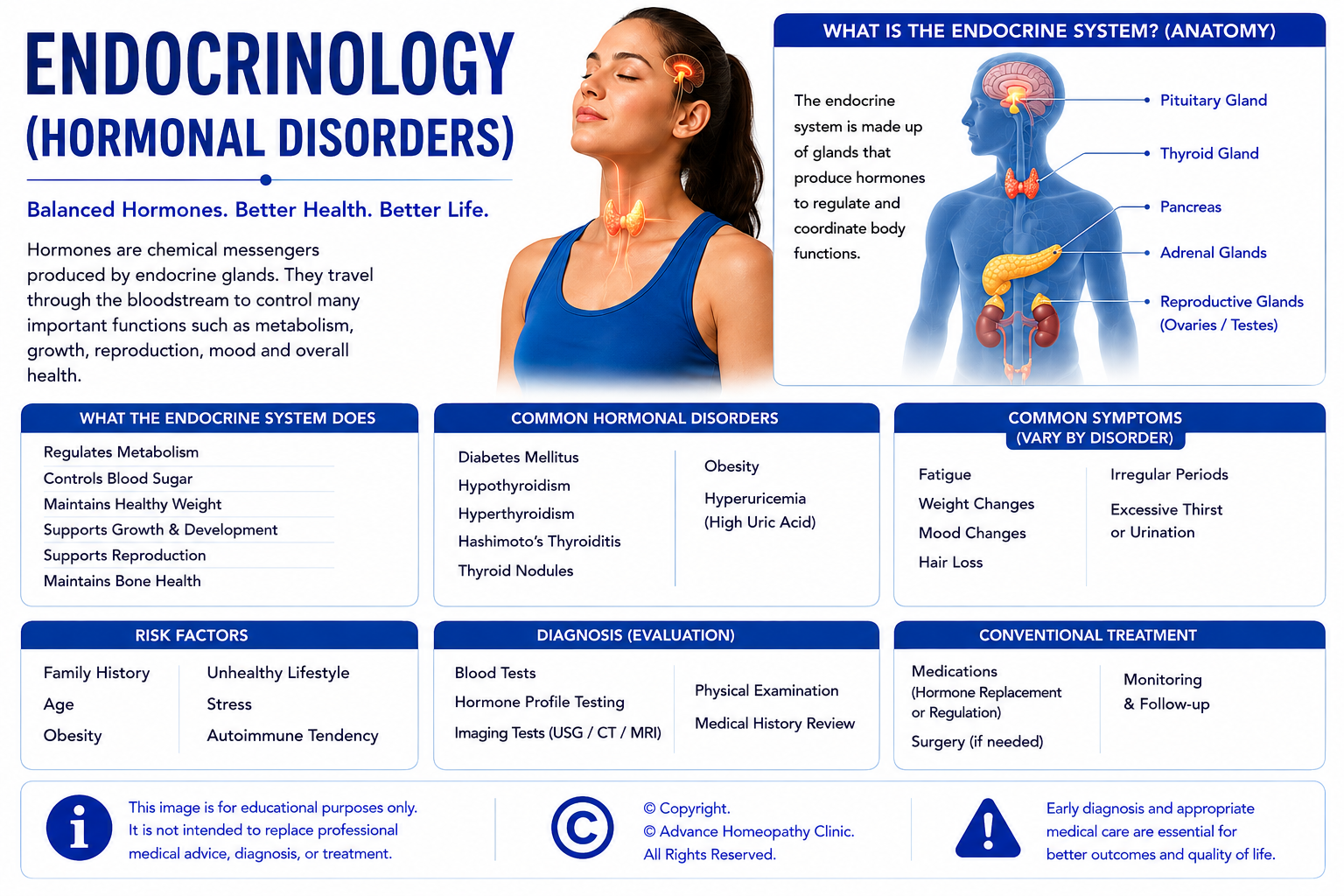
The endocrine system plays a vital role in regulating many of the body's essential functions through hormones. These chemical messengers influence metabolism, blood sugar regulation, body weight, energy production, growth, reproduction, thyroid function, bone health, and many other physiological processes. Disorders affecting the endocrine glands can result in hormonal imbalances that significantly impact overall health and quality of life.
Common endocrine disorders include Type 2 Diabetes Mellitus, Prediabetes, Hypothyroidism, Hyperthyroidism, Hashimoto's Thyroiditis, Thyroid Nodules, Obesity, and Hyperuricemia. These conditions often require long-term monitoring and individualized treatment to reduce complications and maintain optimal health.
Modern endocrinology provides highly effective diagnostic tools and evidence-based treatment options, including lifestyle modification, nutritional counselling, glucose monitoring, medications, hormone replacement therapy, weight management programmes, and surgery when indicated. Early diagnosis and appropriate long-term management play an important role in preventing complications affecting the heart, kidneys, nerves, eyes, bones, and other organs.
Many individuals also seek complementary therapies to help manage chronic symptoms while continuing conventional medical care. At Advance Homeopathy Clinic Dubai, we provide individualized homeopathic treatment as a complementary therapy for selected endocrine disorders. Homeopathy is offered alongside evidence-based endocrine care and should never be considered a replacement for medical evaluation, laboratory investigations, prescribed medications, insulin therapy, thyroid hormone replacement, weight management programmes, or surgical treatment when recommended by an endocrinologist or primary care physician.
Our experienced homeopathic physicians perform a comprehensive evaluation that includes your diagnosis, presenting symptoms, previous treatments, laboratory investigations, medical history, lifestyle factors, constitutional characteristics, and overall health before developing an individualized homeopathic treatment plan.
We provide individualized homeopathic care for patients with a wide range of endocrine conditions, including Type 2 Diabetes Mellitus, Prediabetes, Hypothyroidism, Hyperthyroidism, Hashimoto's Thyroiditis, Thyroid Nodules, Obesity, and Hyperuricemia.
Patients from more than 20 countries and over 100 nationalities have trusted Advance Homeopathy Clinic Dubai for individualized homeopathic care. We offer both in-clinic and online consultations together with a Free First Consultation, allowing you to understand whether homeopathy may play an appropriate complementary role in your overall treatment plan.
Understanding Endocrine (Hormonal) Disorders
The endocrine system consists of glands that produce hormones, which regulate numerous functions throughout the body. These hormones influence metabolism, blood sugar control, growth, body weight, thyroid function, reproduction, bone health, and energy production. When hormone production becomes excessive, insufficient, or abnormal, endocrine disorders may develop.
Common endocrine disorders include diabetes, thyroid diseases, obesity, and metabolic conditions such as hyperuricemia. Some disorders result from autoimmune diseases, while others are influenced by genetics, ageing, lifestyle factors, obesity, insulin resistance, or environmental influences. Many endocrine conditions are chronic and require ongoing medical supervision to maintain hormonal balance and prevent long-term complications.
Symptoms vary depending on the affected gland and may include fatigue, unexplained weight changes, increased thirst, frequent urination, excessive hunger, heat or cold intolerance, constipation, diarrhoea, palpitations, tremors, swelling in the neck, changes in mood, or reduced energy levels. Without appropriate management, some endocrine disorders may increase the risk of cardiovascular disease, kidney disease, osteoporosis, nerve damage, and other serious health problems.
Modern endocrinology focuses on accurate diagnosis through clinical evaluation and laboratory investigations, followed by individualized treatment based on the underlying hormonal disorder. Depending on the condition, management may include lifestyle modification, medications, hormone replacement therapy, nutritional counselling, weight management, or surgery. Early diagnosis and appropriate long-term care help reduce complications and improve overall health.
How Homeopathy May Support Endocrine (Hormonal) Disorders
Homeopathy does not replace conventional endocrine treatment. Instead, it may be considered as part of an individualized complementary treatment plan for selected patients receiving conventional medical care.
Depending on the individual's clinical condition, experienced homeopathic physicians may consider individualized homeopathic treatment to help support patients experiencing symptoms associated with conditions such as:
- Fatigue and reduced energy levels
- Unexplained weight gain or difficulty losing weight
- Increased thirst
- Frequent urination
- Increased appetite
- Cold intolerance
- Heat intolerance
- Constipation
- Palpitations
- Tremors
- Neck swelling associated with thyroid disorders
- Metabolic imbalance
- General quality of life
Every patient is unique. The selection of homeopathic medicines is individualized and depends on the diagnosis, presenting symptoms, laboratory findings, medical history, constitutional characteristics, associated medical conditions, and overall health.
1. Type 2 Diabetes Mellitus
What is Type 2 Diabetes Mellitus?
Type 2 Diabetes Mellitus is a chronic metabolic disorder characterized by persistently elevated blood glucose (blood sugar) levels due to insulin resistance and a gradual decline in the body's ability to produce sufficient insulin. It is the most common form of diabetes and affects millions of people worldwide. The condition develops gradually over many years and is strongly associated with excess body weight, physical inactivity, family history, ageing, and certain ethnic backgrounds.
If left untreated or poorly controlled, Type 2 Diabetes Mellitus can affect multiple organs, increasing the risk of cardiovascular disease, kidney disease, nerve damage (diabetic neuropathy), vision loss (diabetic retinopathy), and poor wound healing. However, with early diagnosis, healthy lifestyle changes, regular monitoring, and appropriate medical treatment, many individuals can successfully manage the condition and reduce the risk of complications.
Modern diabetes management focuses on maintaining healthy blood glucose levels through lifestyle modification, nutritional counselling, regular physical activity, glucose monitoring, oral medications, injectable therapies, and insulin when required. Many individuals also seek complementary therapies to support their overall health while continuing evidence-based medical care.
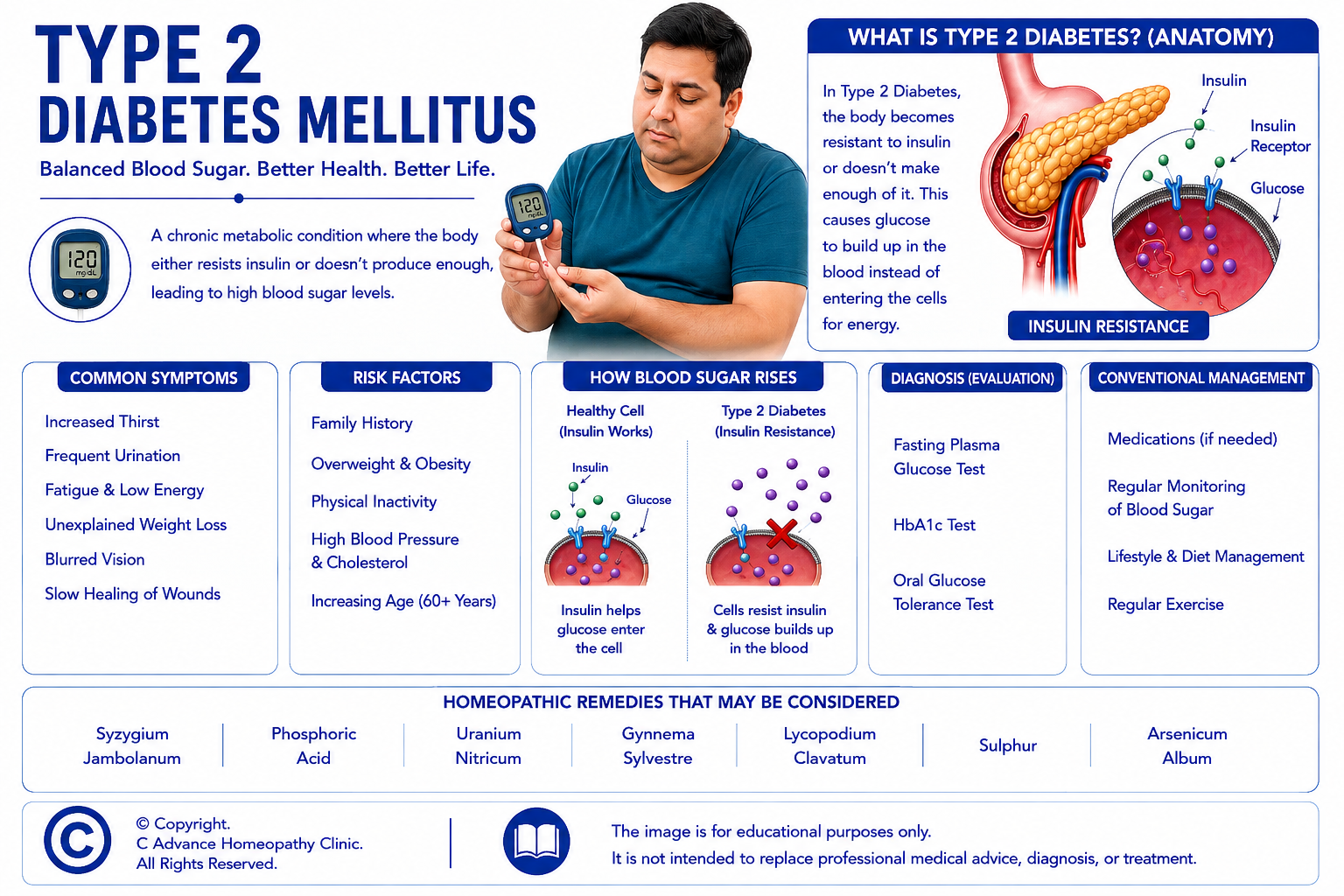
Common Signs and Symptoms of Type 2 Diabetes Mellitus
- Increased thirst
- Frequent urination
- Increased hunger
- Unexplained fatigue
- Blurred vision
- Slow healing of wounds
- Recurrent skin or urinary infections
- Tingling or numbness in the hands and feet
- Unexplained weight loss in some individuals
Risk Factors for Type 2 Diabetes Mellitus
- Family history of diabetes
- Overweight or obesity
- Physical inactivity
- Prediabetes
- Increasing age
- High blood pressure
- Abnormal cholesterol levels
- History of gestational diabetes
- Polycystic ovary syndrome (PMOS)*
- Certain ethnic backgrounds
Conventional Management of Type 2 Diabetes Mellitus
Treatment depends on blood glucose levels, associated medical conditions, and individual risk factors.
Conventional management commonly includes:
- Lifestyle modification
- Medical nutrition therapy
- Regular physical activity
- Weight management
- Blood glucose monitoring
- Oral glucose-lowering medications
- Injectable diabetes medications where indicated
- Insulin therapy when required
- Regular HbA1c monitoring
- Regular follow-up with an endocrinologist or primary care physician
Homeopathic Medicines Commonly Considered for Type 2 Diabetes Mellitus
Some homeopathic medicines that experienced homeopathic physicians may consider as part of an individualized treatment plan include:
- Syzygium Jambolanum
- Phosphoric Acid
- Uranium Nitricum
- Cephalandra Indica
- Lycopodium Clavatum
- Phosphorus
- Sulphur
- Natrum Muriaticum
- Arsenicum Album
- Calcarea Carbonica
Homeopathic medicines should only be prescribed by a qualified homeopathic physician after an individualized clinical evaluation.
Important: Complementary Care for Type 2 Diabetes Mellitus
Type 2 Diabetes Mellitus should always be evaluated by a qualified endocrinologist, diabetologist, or appropriately trained healthcare professional to confirm the diagnosis, assess disease severity, identify associated metabolic disorders, evaluate the risk of complications, and develop an individualized treatment plan. Comprehensive evaluation commonly includes blood glucose measurements, HbA1c testing, kidney function assessment, lipid profile, blood pressure evaluation, body weight assessment, and screening for diabetic complications affecting the eyes, kidneys, nerves, heart, and blood vessels. Regular monitoring is essential to reduce the risk of long-term complications.
Patients with well-controlled or moderately controlled Type 2 Diabetes Mellitus may be considered for individualized homeopathic treatment as a complementary approach following appropriate endocrine evaluation. Homeopathy may be integrated alongside medical nutrition therapy, regular physical activity, weight management, blood glucose monitoring, prescribed glucose-lowering medications, management of associated cardiovascular risk factors, diabetes education, and regular follow-up with their endocrinologist or primary care physician. Individualized homeopathic prescribing is based on the patient's complete clinical presentation, constitutional characteristics, associated medical conditions, metabolic profile, medical history, lifestyle factors, and overall health rather than the diagnosis alone.
Patients should continue all recommended conventional treatment, including lifestyle modification, nutritional counselling, regular physical activity, home blood glucose monitoring, periodic HbA1c testing, oral glucose-lowering medications, injectable therapies such as GLP-1 receptor agonists where indicated, insulin therapy when required, management of blood pressure and cholesterol, routine screening for diabetic complications, and regular endocrinology follow-up. Homeopathy should not be regarded as a substitute for evidence-based diabetes management, particularly in patients requiring insulin therapy or those with established diabetic complications.
Patients with poorly controlled diabetes, recurrent hypoglycaemia or hyperglycaemia, diabetic kidney disease, diabetic retinopathy, diabetic neuropathy, diabetic foot ulcers, cardiovascular disease, recurrent infections, or persistently elevated HbA1c despite appropriate treatment should continue specialist endocrine care and multidisciplinary management. Homeopathy should not replace recommended medications, insulin therapy, or other evidence-based interventions when these are advised by the treating endocrinologist.
Patients who develop symptoms of diabetic ketoacidosis or hyperosmolar hyperglycaemic state, severe hypoglycaemia with confusion or loss of consciousness, chest pain, sudden weakness, difficulty speaking, severe dehydration, persistent vomiting, rapidly spreading foot infection, or any sudden deterioration in their general condition should seek immediate medical attention, as these situations may represent life-threatening diabetic emergencies requiring urgent hospital treatment.
2. Prediabetes
What is Prediabetes?
Prediabetes is a metabolic condition in which blood glucose (blood sugar) levels are higher than normal but not high enough to meet the diagnostic criteria for Type 2 Diabetes Mellitus. It develops primarily because the body's cells become resistant to insulin, causing the pancreas to work harder to maintain normal blood sugar levels. Without appropriate intervention, many individuals with prediabetes may eventually develop Type 2 Diabetes.
Prediabetes often develops gradually and usually causes no obvious symptoms, making regular health screening particularly important for individuals at increased risk. The condition is frequently associated with overweight or obesity, physical inactivity, unhealthy dietary habits, family history of diabetes, and increasing age.
The encouraging aspect of prediabetes is that progression to Type 2 Diabetes can often be delayed or prevented through healthy lifestyle modification, weight management, regular physical activity, and appropriate medical supervision. Many individuals also explore complementary therapies as part of their overall health management while continuing evidence-based medical care.
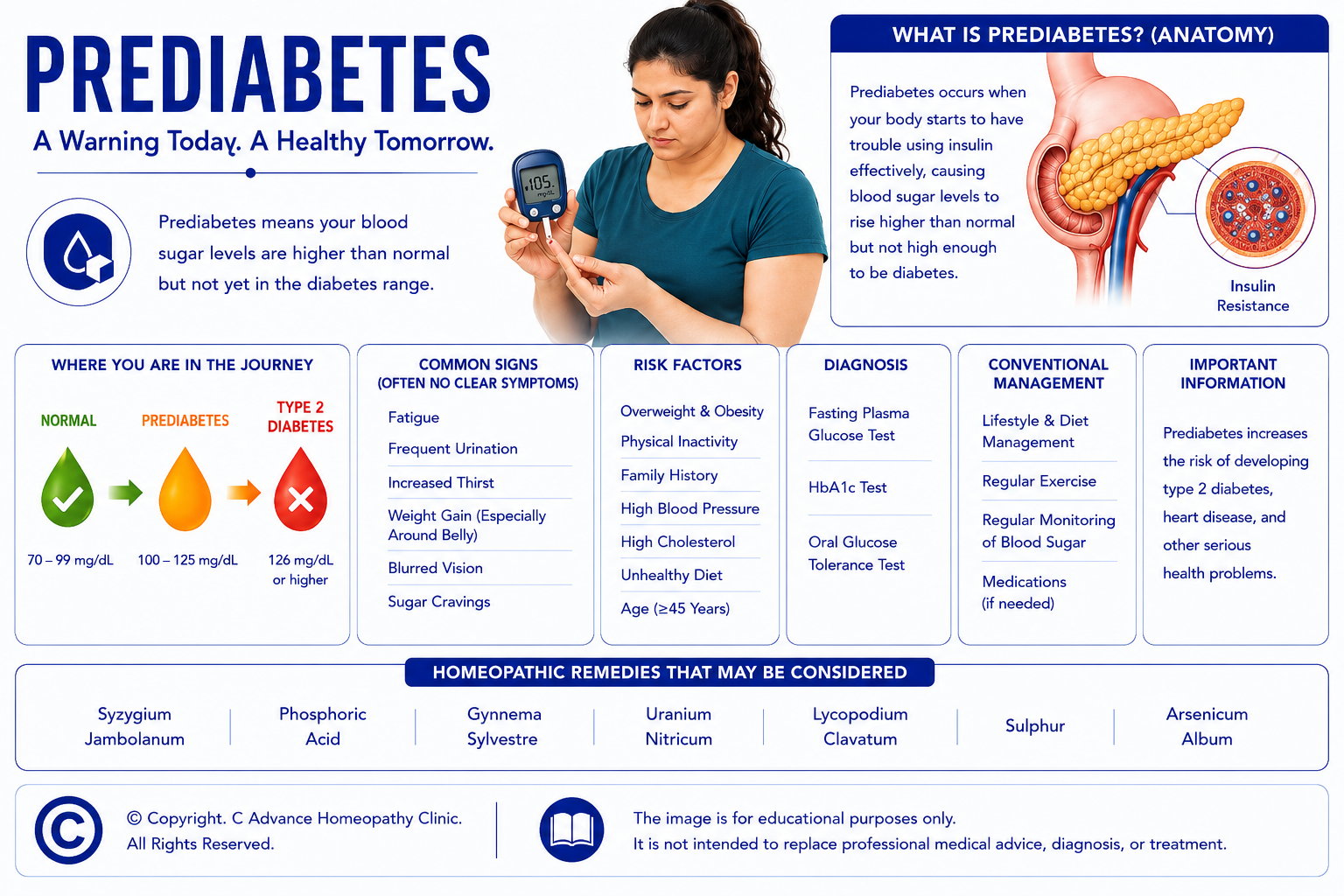
Common Signs and Symptoms of Prediabetes
Many individuals with prediabetes experience no noticeable symptoms. When symptoms do occur, they may include:
- Increased thirst
- Frequent urination
- Fatigue
- Increased hunger
- Blurred vision
- Darkened skin patches (acanthosis nigricans) in some individuals
- Gradual weight gain associated with insulin resistance
Risk Factors for Prediabetes
- Family history of diabetes
- Overweight or obesity
- Physical inactivity
- Increasing age
- High blood pressure
- Abnormal cholesterol levels
- History of gestational diabetes
- Polycystic ovary syndrome (PMOS)
- Unhealthy dietary habits
Conventional Management of Prediabetes
Treatment focuses on reducing the risk of progression to Type 2 Diabetes and improving overall metabolic health.
Conventional management commonly includes:
- Lifestyle modification
- Healthy dietary changes
- Regular physical activity
- Weight reduction where appropriate
- Regular blood glucose monitoring
- Periodic HbA1c testing
- Management of blood pressure and cholesterol
- Medications such as metformin for selected high-risk individuals
- Regular follow-up with an endocrinologist or primary care physician
Homeopathic Medicines Commonly Considered for Prediabetes
Some homeopathic medicines that experienced homeopathic physicians may consider as part of an individualized treatment plan include:
- Syzygium Jambolanum
- Lycopodium Clavatum
- Calcarea Carbonica
- Sulphur
- Natrum Muriaticum
- Phosphoric Acid
- Phosphorus
- Arsenicum Album
Homeopathic medicines should only be prescribed by a qualified homeopathic physician after an individualized clinical evaluation.
Important: Complementary Care for Prediabetes
Prediabetes should always be evaluated by a qualified endocrinologist, primary care physician, or appropriately trained healthcare professional to confirm the diagnosis, assess the degree of insulin resistance, identify associated metabolic risk factors, and determine the individual's risk of progression to Type 2 Diabetes Mellitus and cardiovascular disease. Comprehensive evaluation commonly includes fasting blood glucose, HbA1c testing, oral glucose tolerance testing where indicated, body weight assessment, blood pressure measurement, lipid profile, kidney function assessment, and evaluation for associated conditions such as obesity, metabolic syndrome, and fatty liver disease. Regular monitoring is essential because prediabetes often progresses silently without obvious symptoms.
Patients with Prediabetes may be considered for individualized homeopathic treatment as a complementary approach following appropriate endocrine evaluation. Homeopathy may be integrated alongside healthy dietary modification, regular physical activity, structured weight management programmes, blood glucose monitoring where indicated, management of associated cardiovascular risk factors, diabetes prevention programmes, and regular follow-up with their endocrinologist or primary care physician. Individualized homeopathic prescribing is based on the patient's complete clinical presentation, constitutional characteristics, metabolic profile, associated medical conditions, lifestyle factors, family history, and overall health rather than the diagnosis alone.
Patients should continue all recommended conventional treatment, including lifestyle modification, nutritional counselling, regular exercise, weight reduction where appropriate, periodic HbA1c and blood glucose monitoring, management of blood pressure and cholesterol, metformin therapy for selected high-risk individuals when recommended, and regular medical follow-up. Homeopathy should not be regarded as a substitute for evidence-based metabolic risk reduction or preventive medical care.
Patients with rapid progression of blood glucose levels, persistently elevated HbA1c despite lifestyle intervention, severe obesity, metabolic syndrome, cardiovascular disease, chronic kidney disease, or multiple risk factors for Type 2 Diabetes Mellitus should continue specialist endocrine care and comprehensive risk-factor management. Homeopathy should not replace recommended lifestyle intervention programmes, medications, or ongoing metabolic monitoring when these are advised by the treating physician.
Patients who develop markedly increased thirst, frequent urination, unexplained weight loss, persistent fatigue, blurred vision, symptoms suggestive of severe hyperglycaemia, chest pain, sudden weakness, or any sudden deterioration in their general condition should seek prompt medical evaluation, as these symptoms may indicate progression to Type 2 Diabetes Mellitus or another significant metabolic or cardiovascular disorder requiring timely investigation and treatment.
3. Hypothyroidism
What is Hypothyroidism?
Hypothyroidism is a common endocrine disorder in which the thyroid gland does not produce sufficient thyroid hormones to meet the body's metabolic needs. Thyroid hormones regulate metabolism, energy production, body temperature, heart function, digestion, and many other essential physiological processes. When thyroid hormone levels decline, the body's metabolic processes slow down, resulting in a wide range of symptoms.
Hypothyroidism may develop due to autoimmune thyroid disease (most commonly Hashimoto's Thyroiditis), previous thyroid surgery, radioactive iodine treatment, certain medications, iodine deficiency, or disorders affecting the pituitary gland. The condition is more common in women and becomes increasingly prevalent with advancing age.
Most patients respond well to appropriate medical treatment with thyroid hormone replacement therapy, regular laboratory monitoring, and long-term follow-up. Many individuals also seek complementary therapies to support their overall health while continuing conventional endocrine care.
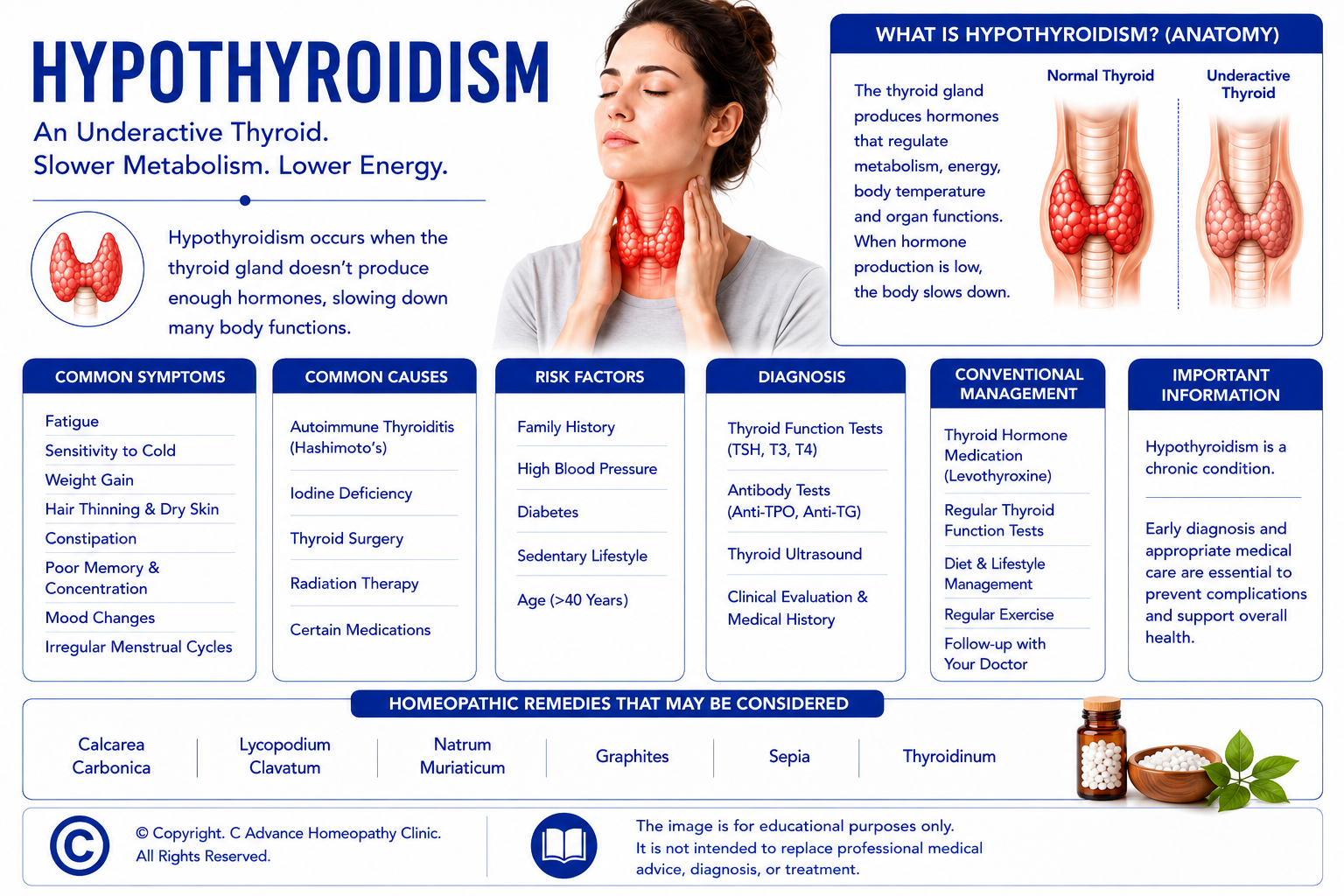
Common Signs and Symptoms of Hypothyroidism
- Persistent fatigue
- Weight gain
- Increased sensitivity to cold
- Dry skin
- Constipation
- Hair thinning or hair loss
- Puffy face
- Slow heart rate
- Depression or low mood
- Difficulty concentrating or memory problems
Risk Factors for Hypothyroidism
- Hashimoto's Thyroiditis
- Female gender
- Increasing age
- Family history of thyroid disease
- Previous thyroid surgery
- Radioactive iodine treatment
- Certain medications
- Autoimmune diseases
- Iodine deficiency in some regions
Conventional Management of Hypothyroidism
Treatment aims to restore normal thyroid hormone levels and relieve symptoms.
Conventional management commonly includes:
- Thyroid hormone replacement therapy (Levothyroxine)
- Regular thyroid function tests (TSH and Free T4)
- Periodic dose adjustment
- Monitoring during pregnancy where applicable
- Management of associated autoimmune disorders
- Regular follow-up with an endocrinologist or primary care physician
Homeopathic Medicines Commonly Considered for Hypothyroidism
Some homeopathic medicines that experienced homeopathic physicians may consider as part of an individualized treatment plan include:
- Calcarea Carbonica
- Thyroidinum
- Sepia
- Lycopodium Clavatum
- Graphites
- Natrum Muriaticum
- Silicea
- Kali Carbonicum
- Pulsatilla
- Sulphur
Homeopathic medicines should only be prescribed by a qualified homeopathic physician after an individualized clinical evaluation.
Important: Complementary Care for Hypothyroidism
Hypothyroidism should always be evaluated by a qualified endocrinologist or appropriately trained healthcare professional to confirm the diagnosis, determine the underlying cause, assess the severity of thyroid hormone deficiency, and identify associated endocrine or autoimmune disorders. Comprehensive evaluation commonly includes thyroid-stimulating hormone (TSH), free thyroxine (Free T4), thyroid antibody testing where indicated, thyroid ultrasound in selected patients, and assessment for associated metabolic and cardiovascular risk factors. Regular biochemical monitoring is essential to ensure appropriate treatment and long-term thyroid function.
Patients with primary or subclinical hypothyroidism may be considered for individualized homeopathic treatment as a complementary approach following appropriate endocrine evaluation. Homeopathy may be integrated alongside thyroid hormone replacement therapy where indicated, nutritional counselling, management of associated autoimmune or metabolic conditions, regular thyroid function monitoring, and ongoing follow-up with their endocrinologist or primary care physician. Individualized homeopathic prescribing is based on the patient's complete clinical presentation, constitutional characteristics, associated symptoms, medical history, autoimmune status, lifestyle factors, and overall health rather than the diagnosis alone.
Patients should continue all recommended conventional treatment, including levothyroxine replacement therapy when indicated, periodic monitoring of TSH and Free T4 levels, dose adjustment based on laboratory results and clinical response, management of associated cardiovascular risk factors, treatment of underlying autoimmune thyroid disease where appropriate, and regular endocrinology follow-up. Homeopathy should not be regarded as a substitute for evidence-based thyroid hormone replacement therapy, particularly in patients with overt hypothyroidism, pregnancy, or significant thyroid hormone deficiency.
Patients with persistent symptoms despite appropriate treatment, difficulty achieving stable thyroid hormone levels, pregnancy or planned pregnancy, significant enlargement of the thyroid gland (goitre), associated autoimmune disorders, cardiovascular disease, or severe hypothyroidism should continue specialist endocrine care and regular biochemical monitoring. Homeopathy should not replace recommended thyroid hormone replacement therapy or specialist endocrine management when these are advised by the treating endocrinologist.
Patients who develop progressive drowsiness, confusion, severe weakness, difficulty breathing, marked swelling, hypothermia, loss of consciousness, chest pain, or any sudden deterioration in their general condition should seek immediate medical attention, as these symptoms may indicate severe hypothyroidism (including myxoedema crisis) or another serious medical condition requiring urgent hospital treatment.
4. Hyperthyroidism
What is Hyperthyroidism?
Hyperthyroidism is an endocrine disorder in which the thyroid gland produces excessive amounts of thyroid hormones, causing the body's metabolic processes to accelerate. Thyroid hormones regulate metabolism, heart rate, body temperature, and energy production. When these hormones are produced in excess, multiple organs and body systems may be affected.
The most common cause of Hyperthyroidism is Graves' disease, an autoimmune disorder that stimulates excessive thyroid hormone production. Other causes include toxic thyroid nodules, thyroiditis, excessive iodine intake, and certain medications. Without appropriate treatment, Hyperthyroidism may increase the risk of heart rhythm disturbances, osteoporosis, muscle weakness, and other complications.
Modern endocrinology offers effective diagnostic investigations and treatment options that help control thyroid hormone production and reduce complications. Many patients also seek complementary therapies to support their overall health while continuing evidence-based medical care.

Common Signs and Symptoms of Hyperthyroidism
- Unexplained weight loss
- Increased appetite
- Rapid or irregular heartbeat
- Palpitations
- Heat intolerance
- Excessive sweating
- Tremors of the hands
- Nervousness or anxiety
- Difficulty sleeping
- Frequent bowel movements
- Muscle weakness
- Enlargement of the thyroid gland (goitre) in some individuals
Risk Factors for Hyperthyroidism
- Graves' disease
- Family history of thyroid disorders
- Female gender
- Autoimmune diseases
- Thyroid nodules
- Excess iodine intake
- Certain medications
- Previous thyroid disease
Conventional Management of Hyperthyroidism
Treatment depends on the underlying cause, severity of hormone excess, age, and overall health.
Conventional management commonly includes:
- Antithyroid medications
- Beta-blockers to control symptoms
- Radioactive iodine therapy in selected patients
- Thyroid surgery (thyroidectomy) when indicated
- Regular thyroid function tests
- Long-term follow-up with an endocrinologist
Homeopathic Medicines Commonly Considered for Hyperthyroidism
Some homeopathic medicines that experienced homeopathic physicians may consider as part of an individualized treatment plan include:
- Iodum
- Spongia Tosta
- Lycopus Virginicus
- Natrum Muriaticum
- Phosphorus
- Lachesis Mutus
- Argentum Nitricum
- Gelsemium Sempervirens
Homeopathic medicines should only be prescribed by a qualified homeopathic physician after an individualized clinical evaluation.
Important: Complementary Care for Hyperthyroidism
Hyperthyroidism should always be evaluated by a qualified endocrinologist or appropriately trained healthcare professional to confirm the diagnosis, determine the underlying cause, assess disease severity, and identify associated complications. Comprehensive evaluation commonly includes thyroid-stimulating hormone (TSH), free thyroxine (Free T4), free triiodothyronine (Free T3), thyroid antibody testing where indicated, thyroid ultrasound, radioactive iodine uptake studies in selected patients, electrocardiography when clinically indicated, and assessment for cardiovascular, skeletal, and ocular complications. Early diagnosis and regular biochemical monitoring are essential to prevent long-term complications.
Patients with mild or well-controlled hyperthyroidism may be considered for individualized homeopathic treatment as a complementary approach following appropriate endocrine evaluation. Homeopathy may be integrated alongside antithyroid medications, symptom control, nutritional counselling, management of associated autoimmune conditions, regular thyroid function monitoring, and ongoing follow-up with their endocrinologist. Individualized homeopathic prescribing is based on the patient's complete clinical presentation, constitutional characteristics, associated symptoms, medical history, autoimmune status, lifestyle factors, and overall health rather than the diagnosis alone.
Patients should continue all recommended conventional treatment, including antithyroid medications, beta-blockers where indicated for symptom control, periodic monitoring of TSH, Free T4, and Free T3 levels, radioactive iodine therapy when appropriate, thyroid surgery for selected patients, management of Graves' ophthalmopathy where present, and regular endocrinology follow-up. Homeopathy should not be regarded as a substitute for evidence-based treatment, particularly in patients with significant thyrotoxicosis, cardiovascular complications, pregnancy requiring specialist care, or progressive disease.
Patients with persistent hyperthyroidism despite treatment, Graves' disease with eye involvement, toxic multinodular goitre, toxic adenoma, atrial fibrillation, osteoporosis, significant weight loss, pregnancy, or recurrent disease after treatment should continue specialist endocrine care and regular biochemical monitoring. Homeopathy should not replace recommended antithyroid therapy, radioactive iodine treatment, thyroid surgery, or other evidence-based interventions when these are advised by the treating endocrinologist.
Patients who develop high fever, severe palpitations, chest pain, shortness of breath, marked agitation, confusion, severe weakness, persistent vomiting, loss of consciousness, or any sudden deterioration in their general condition should seek immediate medical attention, as these symptoms may indicate thyroid storm or another life-threatening medical emergency requiring urgent hospital treatment.
5. Hashimoto's Thyroiditis
What is Hashimoto's Thyroiditis?
Hashimoto's Thyroiditis is the most common autoimmune thyroid disorder and the leading cause of Hypothyroidism in many parts of the world. In this condition, the immune system mistakenly attacks the thyroid gland, leading to chronic inflammation and gradual destruction of thyroid tissue. Over time, the thyroid gland loses its ability to produce sufficient thyroid hormones, resulting in Hypothyroidism.
The condition develops gradually and may remain unnoticed for many years before symptoms become apparent. Some patients initially experience normal thyroid function or even temporary Hyperthyroidism before progressing to permanent Hypothyroidism. Women are affected far more frequently than men, and the condition often occurs alongside other autoimmune diseases.
Diagnosis is usually based on thyroid function tests together with elevated thyroid autoantibodies, particularly anti-thyroid peroxidase (anti-TPO) antibodies, and, in some cases, thyroid ultrasound findings. Most patients require lifelong monitoring and thyroid hormone replacement therapy to maintain normal thyroid function.
Many individuals also seek complementary therapies to support their overall health while continuing evidence-based endocrine care.

Common Signs and Symptoms of Hashimoto's Thyroiditis
- Persistent fatigue
- Weight gain
- Increased sensitivity to cold
- Dry skin
- Constipation
- Hair thinning
- Depression or low mood
- Slow heart rate
- Enlarged thyroid gland (goitre)
- Difficulty concentrating
Risk Factors for Hashimoto's Thyroiditis
- Female gender
- Family history of autoimmune thyroid disease
- Other autoimmune disorders
- Increasing age
- Genetic predisposition
- Excessive iodine intake in susceptible individuals
- Previous thyroid disorders
Conventional Management of Hashimoto's Thyroiditis
Treatment depends on thyroid hormone levels and the degree of thyroid dysfunction.
Conventional management commonly includes:
- Regular thyroid function tests
- Measurement of thyroid antibodies
- Thyroid hormone replacement therapy when indicated
- Thyroid ultrasound for selected patients
- Monitoring for disease progression
- Long-term endocrinology follow-up
Homeopathic Medicines Commonly Considered for Hashimoto's Thyroiditis
Some homeopathic medicines that experienced homeopathic physicians may consider as part of an individualized treatment plan include:
- Thyroidinum
- Calcarea Carbonica
- Sepia
- Lycopodium Clavatum
- Natrum Muriaticum
- Silicea
- Kali Carbonicum
- Sulphur
Homeopathic medicines should only be prescribed by a qualified homeopathic physician after an individualized clinical evaluation.
Important: Complementary Care for Hashimoto's Thyroiditis
Hashimoto's Thyroiditis should always be evaluated by a qualified endocrinologist or appropriately trained healthcare professional to confirm the diagnosis, determine the degree of thyroid dysfunction, assess disease progression, and identify associated autoimmune disorders. Comprehensive evaluation commonly includes thyroid-stimulating hormone (TSH), free thyroxine (Free T4), thyroid autoantibody testing (particularly anti-thyroid peroxidase [anti-TPO] antibodies and, where appropriate, anti-thyroglobulin antibodies), thyroid ultrasound in selected patients, and assessment for associated autoimmune conditions. Regular biochemical monitoring is essential because thyroid function may gradually decline over time.
Patients with Hashimoto's Thyroiditis, whether euthyroid or associated with hypothyroidism, may be considered for individualized homeopathic treatment as a complementary approach following appropriate endocrine evaluation. Homeopathy may be integrated alongside thyroid hormone replacement therapy where indicated, nutritional counselling, management of associated autoimmune conditions, regular thyroid function monitoring, and ongoing follow-up with their endocrinologist or primary care physician. Individualized homeopathic prescribing is based on the patient's complete clinical presentation, constitutional characteristics, associated symptoms, autoimmune profile, medical history, lifestyle factors, and overall health rather than the diagnosis alone.
Patients should continue all recommended conventional treatment, including periodic monitoring of TSH and Free T4 levels, thyroid antibody assessment where clinically indicated, levothyroxine replacement therapy for patients with hypothyroidism, thyroid ultrasound when appropriate, management of associated autoimmune diseases, and regular endocrinology follow-up. Homeopathy should not be regarded as a substitute for evidence-based endocrine management, particularly in patients requiring thyroid hormone replacement or those with progressive thyroid dysfunction.
Patients with persistent hypothyroidism despite treatment, significant enlargement of the thyroid gland (goitre), thyroid nodules, pregnancy or planned pregnancy, associated autoimmune disorders, difficulty maintaining stable thyroid hormone levels, or progressive thyroid dysfunction should continue specialist endocrine care and regular biochemical monitoring. Homeopathy should not replace recommended thyroid hormone replacement therapy, further investigations, or specialist management when these are advised by the treating endocrinologist.
Patients who develop rapid enlargement of the thyroid gland, difficulty swallowing, difficulty breathing, persistent hoarseness, severe neck swelling, progressive drowsiness, confusion, loss of consciousness, or any sudden deterioration in their general condition should seek immediate medical attention, as these symptoms may indicate significant thyroid enlargement, another thyroid disorder requiring urgent evaluation, or severe hypothyroidism requiring prompt medical treatment.
6. Thyroid Nodules
What are Thyroid Nodules?
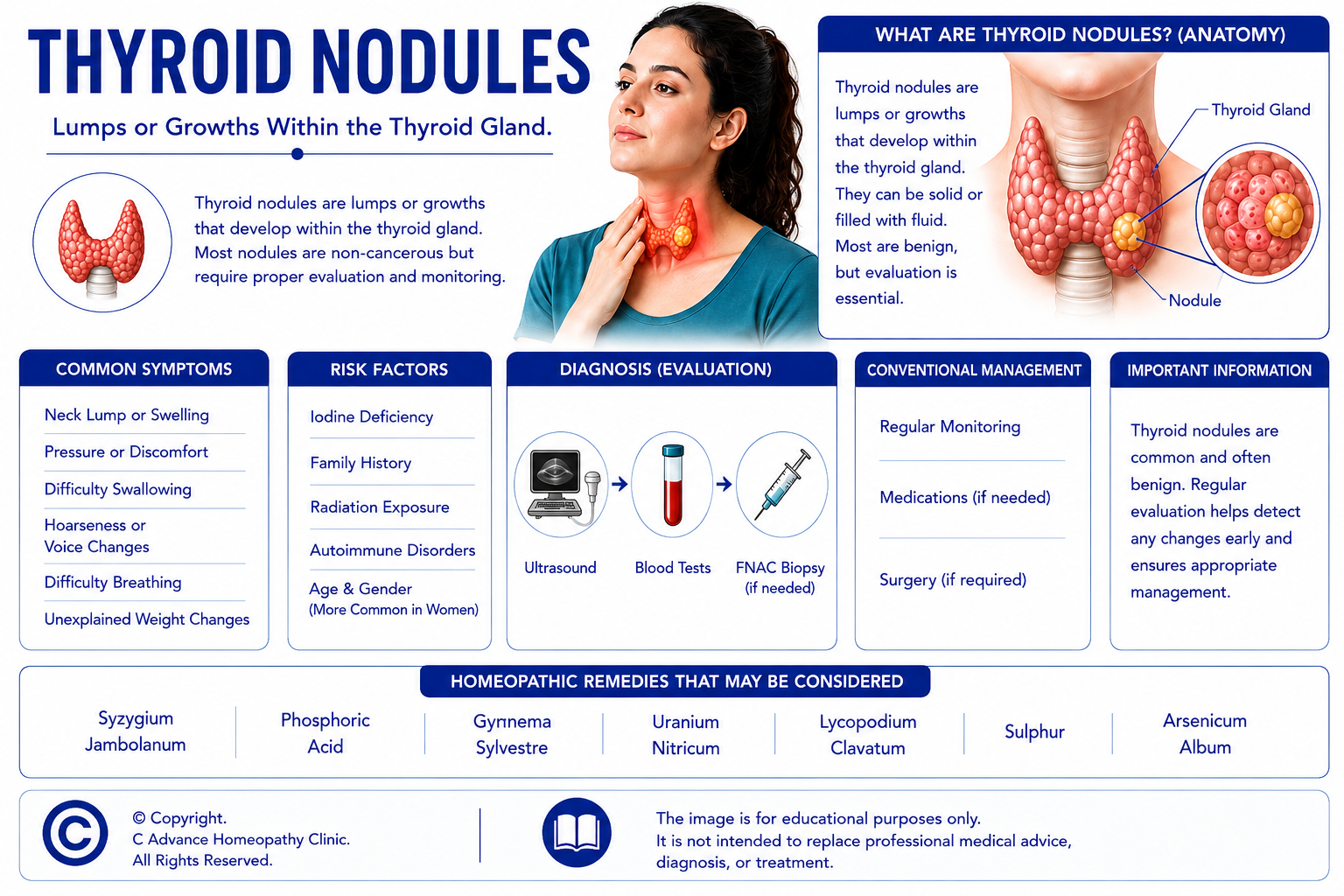
Thyroid nodules are abnormal lumps or growths that develop within the thyroid gland. They are common, particularly in adults, and many are discovered incidentally during a routine physical examination or imaging studies performed for other reasons. Most thyroid nodules are benign (non-cancerous) and do not produce symptoms. However, some nodules may become large enough to cause a visible swelling in the neck, difficulty swallowing, or pressure on nearby structures. A small proportion of thyroid nodules may represent thyroid cancer and therefore require careful medical evaluation.
Thyroid nodules may occur as single nodules or as part of a multinodular goitre. Some nodules produce excessive thyroid hormones (toxic nodules), leading to Hyperthyroidism, while others do not affect thyroid hormone production. Modern endocrinology focuses on identifying the nature of the nodule through clinical examination, thyroid function tests, ultrasound, and fine-needle aspiration biopsy (FNAB) when indicated.
Many individuals also seek complementary therapies while continuing evidence-based medical care and regular follow-up with their endocrinologist.
Common Signs and Symptoms of Thyroid Nodules
Many thyroid nodules do not cause symptoms. When symptoms occur, they may include:
- Lump or swelling in the front of the neck
- Difficulty swallowing
- Sensation of pressure in the neck
- Hoarseness or voice changes
- Difficulty breathing if the nodule is large
- Neck discomfort
- Symptoms of Hyperthyroidism in functioning (toxic) nodules
Risk Factors for Thyroid Nodules
- Increasing age
- Female gender
- Family history of thyroid disease
- Iodine deficiency
- Previous radiation exposure to the head or neck
- Autoimmune thyroid disease
- Multinodular goitre
- Certain genetic conditions
Conventional Management of Thyroid Nodules
Treatment depends on the size of the nodule, ultrasound characteristics, thyroid function, biopsy findings, and associated symptoms.
Conventional management commonly includes:
- Clinical examination
- Thyroid function tests
- Thyroid ultrasound
- Fine-needle aspiration biopsy (FNAB) when indicated
- Periodic ultrasound monitoring
- Thyroid surgery when recommended
- Radioactive iodine therapy for selected functioning nodules
- Regular follow-up with an endocrinologist
Homeopathic Medicines Commonly Considered for Thyroid Nodules
Some homeopathic medicines that experienced homeopathic physicians may consider as part of an individualized treatment plan include:
- Conium Maculatum
- Calcarea Fluorica
- Baryta Iodata
- Silicea
- Spongia Tosta
- Iodum
- Thuja Occidentalis
Homeopathic medicines should only be prescribed by a qualified homeopathic physician after an individualized clinical evaluation.
Important: Complementary Care for Thyroid Nodules
Thyroid Nodules should always be evaluated by a qualified endocrinologist or appropriately trained healthcare professional to confirm the diagnosis, determine the size and characteristics of the nodule, assess thyroid function, evaluate the risk of malignancy, and identify associated thyroid disorders. Comprehensive evaluation commonly includes thyroid-stimulating hormone (TSH), free thyroxine (Free T4), thyroid ultrasound, risk stratification using established ultrasound criteria, and fine-needle aspiration biopsy (FNAB) when clinically indicated. Additional investigations, including radionuclide thyroid scanning or molecular testing, may be recommended in selected patients. Accurate diagnosis is essential because management varies considerably depending on whether the nodule is benign, functioning, or suspicious for malignancy.
Patients with benign thyroid nodules may be considered for individualized homeopathic treatment as a complementary approach following appropriate endocrine evaluation. Homeopathy may be integrated alongside regular ultrasound surveillance, thyroid function monitoring, management of associated thyroid disorders, nutritional counselling where appropriate, and regular follow-up with their endocrinologist. Individualized homeopathic prescribing is based on the patient's complete clinical presentation, constitutional characteristics, associated symptoms, thyroid function, medical history, lifestyle factors, and overall health rather than the diagnosis alone.
Patients should continue all recommended conventional treatment, including periodic thyroid ultrasound, thyroid function testing, fine-needle aspiration biopsy (FNAB) when indicated, repeat imaging according to established clinical guidelines, radioactive iodine therapy for selected functioning nodules, thyroid surgery when clinically indicated, and regular endocrinology follow-up. Homeopathy should not be regarded as a substitute for evidence-based investigation or treatment, particularly when malignancy cannot be excluded or surgery has been recommended.
Patients with large thyroid nodules causing pressure symptoms, difficulty swallowing, voice changes, rapidly enlarging nodules, suspicious ultrasound findings, abnormal biopsy results, functioning (toxic) nodules, multinodular goitre with compressive symptoms, or nodules associated with significant thyroid dysfunction should continue specialist endocrine care and further evaluation. Homeopathy should not replace recommended biopsy, surgery, radioactive iodine treatment, or other evidence-based interventions when these are advised by the treating endocrinologist or endocrine surgeon.
Patients who develop rapid enlargement of a thyroid nodule, persistent hoarseness, difficulty swallowing, difficulty breathing, significant neck swelling, enlarged lymph nodes in the neck, or any sudden deterioration in their condition should seek prompt medical evaluation, as these symptoms may indicate thyroid malignancy or significant compressive disease requiring urgent specialist assessment and treatment.
7. Obesity
What is Obesity?
Obesity is a chronic, complex medical condition characterized by excessive accumulation of body fat that increases the risk of numerous health problems. It is no longer regarded simply as a lifestyle issue but is recognised as a multifactorial disease influenced by genetic, hormonal, metabolic, behavioural, psychological, environmental, and social factors.
Obesity significantly increases the risk of developing Type 2 Diabetes Mellitus, cardiovascular disease, hypertension, obstructive sleep apnea, fatty liver disease, osteoarthritis, infertility, certain cancers, and reduced quality of life. Early diagnosis and comprehensive management can substantially reduce these risks and improve long-term health outcomes.
Modern obesity management focuses on sustainable lifestyle modification combined with evidence-based medical therapies. Depending on the individual's body mass index (BMI), associated medical conditions, and treatment goals, management may include nutritional counselling, structured exercise programmes, behavioural interventions, anti-obesity medications, and bariatric surgery for selected patients.
Many individuals also seek complementary therapies to support their overall health while continuing conventional weight management programmes.

Common Signs and Symptoms of Obesity
Obesity itself may not produce symptoms, but it commonly contributes to:
- Excess body weight
- Reduced physical endurance
- Shortness of breath during activity
- Excessive sweating
- Joint or back pain
- Snoring or sleep disturbance
- Daytime fatigue
- Reduced mobility
- Reduced quality of life
Risk Factors for Obesity
- Family history
- Physical inactivity
- High-calorie dietary habits
- Hormonal disorders
- Certain medications
- Poor sleep
- Psychological stress
- Genetic predisposition
- Increasing age
Conventional Management of Obesity
Treatment depends on the individual's body mass index (BMI), associated medical conditions, and overall health.
Conventional management commonly includes:
- Lifestyle modification
- Individualized nutritional counselling
- Regular physical activity
- Behavioural therapy
- Anti-obesity medications where indicated
- Management of associated medical conditions
- Bariatric surgery for selected patients
- Regular follow-up with an endocrinologist or obesity specialist
Homeopathic Medicines Commonly Considered for Obesity
Some homeopathic medicines that experienced homeopathic physicians may consider as part of an individualized treatment plan include:
- Calcarea Carbonica
- Antimonium Crudum
- Lycopodium Clavatum
- Natrum Muriaticum
- Graphites
- Fucus Vesiculosus
- Capsicum
- Phytolacca Berry
Homeopathic medicines should only be prescribed by a qualified homeopathic physician after an individualized clinical evaluation.
Important: Complementary Care for Obesity
Obesity should always be evaluated by a qualified endocrinologist, obesity medicine specialist, or appropriately trained healthcare professional to confirm the diagnosis, assess disease severity, identify contributing endocrine or metabolic disorders, evaluate obesity-related complications, and develop an individualized management plan. Comprehensive evaluation commonly includes body mass index (BMI), waist circumference, blood pressure, fasting blood glucose, HbA1c, lipid profile, liver function tests, thyroid function assessment where indicated, screening for obstructive sleep apnoea, and evaluation for cardiovascular disease, fatty liver disease, and other obesity-related complications. Regular monitoring is essential because obesity is associated with an increased risk of numerous chronic medical conditions.
Patients with overweight or obesity may be considered for individualized homeopathic treatment as a complementary approach following appropriate endocrine evaluation. Homeopathy may be integrated alongside medical nutrition therapy, structured weight-management programmes, regular physical activity, behavioural and lifestyle interventions, management of associated medical conditions, psychological support where appropriate, and regular follow-up with their endocrinologist or obesity specialist. Individualized homeopathic prescribing is based on the patient's complete clinical presentation, constitutional characteristics, metabolic profile, associated medical conditions, lifestyle factors, family history, and overall health rather than the diagnosis alone.
Patients should continue all recommended conventional treatment, including individualized dietary management, regular physical activity, behavioural therapy, structured weight-loss programmes, evidence-based anti-obesity medications where indicated, bariatric surgery for appropriately selected patients, management of associated metabolic disorders, and regular medical follow-up. Homeopathy should not be regarded as a substitute for evidence-based obesity management, particularly in patients with severe obesity or obesity-related complications.
Patients with Class II or Class III obesity, Type 2 Diabetes Mellitus, obstructive sleep apnoea, cardiovascular disease, non-alcoholic fatty liver disease, severe osteoarthritis, significant obesity-related disability, or inadequate response to appropriate lifestyle intervention should continue specialist endocrine care and multidisciplinary management. Homeopathy should not replace recommended pharmacological treatment, bariatric surgery, or other evidence-based interventions when these are advised by the treating specialist.
Patients who develop chest pain, severe shortness of breath, symptoms of uncontrolled diabetes, severe hypertension, sudden neurological symptoms, persistent swelling of the legs, severe sleep-related breathing difficulties, or any sudden deterioration in their general condition should seek immediate medical attention, as these symptoms may indicate serious obesity-related cardiovascular, metabolic, or respiratory complications requiring urgent medical evaluation and treatment.
8. Hyperuricemia
What is Hyperuricemia?
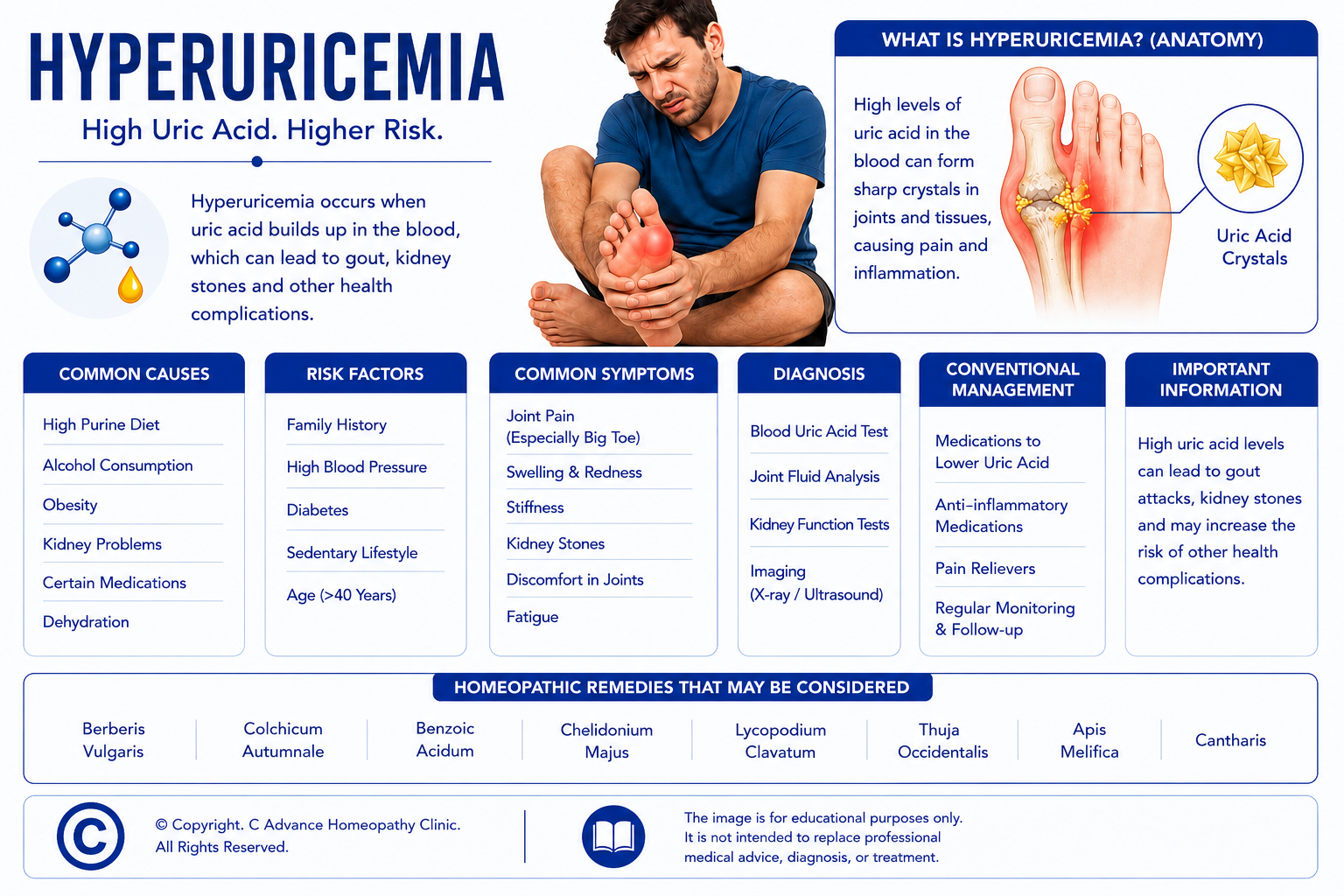
Hyperuricemia is a metabolic condition characterized by higher-than-normal levels of uric acid in the blood. Uric acid is a natural waste product formed during the breakdown of purines, substances found naturally in the body's cells and in certain foods. Under normal circumstances, uric acid is filtered by the kidneys and eliminated through urine. However, when the body produces excessive amounts of uric acid or the kidneys are unable to remove it efficiently, blood uric acid levels increase.
Many individuals with Hyperuricemia experience no symptoms and may only discover the condition during routine blood tests. However, persistently elevated uric acid levels increase the risk of developing gout, kidney stones, and, in some individuals, chronic kidney disease. Hyperuricemia is also commonly associated with obesity, insulin resistance, Type 2 Diabetes Mellitus, hypertension, metabolic syndrome, and cardiovascular disease.
Modern medical management focuses on identifying the underlying cause, encouraging healthy lifestyle modification, and prescribing urate-lowering therapy for selected patients who develop gout, recurrent kidney stones, or other complications. Many individuals also seek complementary therapies while continuing evidence-based medical care.
Common Signs and Symptoms of Hyperuricemia
Many individuals with Hyperuricemia have no symptoms. When symptoms or complications develop, they may include:
- Elevated uric acid detected on blood tests
- Recurrent attacks of joint pain associated with gout
- Sudden swelling, redness, and tenderness of joints
- Kidney stones
- Pain during urination in patients with kidney stones
- Reduced kidney function in long-standing disease
Risk Factors for Hyperuricemia
- Family history
- Obesity
- Type 2 Diabetes Mellitus
- Prediabetes
- Hypertension
- Chronic kidney disease
- High-purine diet
- Excessive alcohol consumption
- Certain medications such as diuretics
- Metabolic syndrome
Conventional Management of Hyperuricemia
Treatment depends on the uric acid level, the presence of gout or kidney stones, associated medical conditions, and the individual's overall risk profile.
Conventional management commonly includes:
- Lifestyle modification
- Weight reduction where appropriate
- Adequate hydration
- Dietary modification with reduced intake of high-purine foods
- Limiting alcohol intake
- Management of associated metabolic disorders
- Urate-lowering medications for selected patients
- Regular monitoring of serum uric acid levels
- Regular follow-up with the treating physician
Homeopathic Medicines Commonly Considered for Hyperuricemia
Some homeopathic medicines that experienced homeopathic physicians may consider as part of an individualized treatment plan include:
- Benzoic Acid
- Colchicum Autumnale
- Ledum Palustre
- Lycopodium Clavatum
- Urtica Urens
- Berberis Vulgaris
- Sulphur
- Calcarea Carbonica
Homeopathic medicines should only be prescribed by a qualified homeopathic physician after an individualized clinical evaluation.
Important: Complementary Care for Hyperuricemia
Hyperuricemia should always be evaluated by a qualified endocrinologist, rheumatologist, nephrologist, or appropriately trained healthcare professional to confirm the diagnosis, determine the underlying cause, assess the degree of uric acid elevation, identify associated metabolic disorders, and evaluate the risk of complications such as gout, kidney stones, or chronic kidney disease. Comprehensive evaluation commonly includes serum uric acid measurement, kidney function tests, urinalysis, assessment of metabolic risk factors, blood glucose, lipid profile, blood pressure evaluation, and additional investigations where clinically indicated. Regular monitoring is important because hyperuricemia is frequently associated with obesity, metabolic syndrome, Type 2 Diabetes Mellitus, hypertension, and chronic kidney disease.
Patients with asymptomatic hyperuricemia or well-controlled hyperuricemia may be considered for individualized homeopathic treatment as a complementary approach following appropriate medical evaluation. Homeopathy may be integrated alongside dietary modification, weight management, adequate hydration, management of associated metabolic disorders, prescribed medications where indicated, lifestyle modification, and regular follow-up with their treating physician. Individualized homeopathic prescribing is based on the patient's complete clinical presentation, constitutional characteristics, associated symptoms, metabolic profile, medical history, lifestyle factors, and overall health rather than the diagnosis alone.
Patients should continue all recommended conventional treatment, including dietary counselling, weight reduction where appropriate, adequate fluid intake, limitation of alcohol and high-purine foods where advised, management of associated metabolic disorders, urate-lowering therapy when clinically indicated, periodic monitoring of serum uric acid and kidney function, and regular medical follow-up. Homeopathy should not be regarded as a substitute for evidence-based management, particularly in patients with recurrent gout, kidney stones, chronic kidney disease, or persistently elevated serum uric acid levels requiring pharmacological treatment.
Patients with recurrent gout attacks, uric acid kidney stones, chronic kidney disease, tophi, severe hyperuricemia, metabolic syndrome, cardiovascular disease, or persistent elevation of serum uric acid despite appropriate treatment should continue specialist medical care and regular monitoring. Homeopathy should not replace recommended urate-lowering therapy, kidney disease management, or other evidence-based interventions when these are advised by the treating physician.
Patients who develop sudden severe joint pain with swelling and redness, high fever associated with an acutely inflamed joint, severe flank pain, blood in the urine, reduced urine output, persistent vomiting, severe dehydration, or any sudden deterioration in their general condition should seek immediate medical attention, as these symptoms may indicate acute gout, urinary tract obstruction due to kidney stones, serious joint infection, or other complications requiring urgent medical evaluation and treatment.
A Note About Homeopathic Medicines
The homeopathic medicines listed throughout this page are among the remedies that experienced homeopathic physicians may consider while providing individualized care for patients with endocrine (hormonal) disorders. Homeopathic treatment is highly individualized, and the selection of a medicine is never based solely on the diagnosis.
Before prescribing, our homeopathic doctors carefully evaluate several factors, including:
- The patient's confirmed endocrine diagnosis
- Presenting symptoms and their severity
- Duration and progression of symptoms
- Previous medical and surgical treatment
- Blood test results and laboratory investigations
- Current medications
- Medical history
- Lifestyle and dietary habits
- Emotional and psychological well-being
- General physical health
- Individual constitutional characteristics
The most appropriate homeopathic medicine for one patient may differ from that selected for another individual with the same endocrine condition. For this reason, homeopathic medicines should always be prescribed following a comprehensive consultation with a qualified homeopathic doctor and used only as part of an individualized treatment plan.
Our Homeopathic Approach to Endocrine (Hormonal) Disorders
At Advance Homeopathy Clinic Dubai, we believe that every patient deserves individualized, comprehensive, and evidence-informed care. Our goal is not to replace conventional endocrine treatment but to provide personalized homeopathic care that complements the treatment plan recommended by your endocrinologist or primary care physician.
During your consultation, our homeopathic doctors perform a detailed assessment that may include:
- Confirmed medical diagnosis
- Presenting symptoms and their progression
- Previous medical and surgical treatment
- Blood glucose records where applicable
- Thyroid function tests and laboratory investigations
- Imaging studies such as thyroid ultrasound where available
- Current medications
- Past medical history
- Family history
- Lifestyle, dietary, and physical activity assessment
- Individual constitutional assessment
This comprehensive evaluation allows us to develop an individualized homeopathic treatment plan based on the patient's unique clinical presentation.
Depending on the individual's condition, homeopathic treatment may be considered as part of a complementary care plan for patients experiencing symptoms such as:
- Fatigue
- Reduced energy levels
- Unexplained weight gain
- Difficulty losing weight
- Increased thirst
- Frequent urination
- Cold intolerance
- Heat intolerance
- Constipation
- Palpitations
- Tremors
- Neck swelling associated with thyroid disorders
- General metabolic imbalance
- General quality of life
Every treatment plan is individualized according to the patient's diagnosis, symptom profile, conventional medical treatment, treatment goals, and overall health. Homeopathy is offered as a complementary therapy alongside evidence-based endocrine care.
Why Choose Advance Homeopathy Clinic Dubai?
Patients from Dubai, across the UAE, and from more than 20 countries and over 100 nationalities have trusted Advance Homeopathy Clinic Dubai for individualized homeopathic care.
Why Patients Choose Us
- More than 35 years of clinical experience under the leadership of Dr. Aalim Dhandhukia
- Dubai Health Authority (DHA) licensed clinic and homeopathic doctors
- Individualized homeopathic treatment tailored to each patient's needs
- Comprehensive medical evaluation before recommending treatment
- Homeopathy provided as a complementary therapy alongside conventional endocrine care
- Evidence-based, ethical, and patient-centred clinical practice
- In-clinic and online consultations for patients in Dubai, across the UAE, and internationally
- Free First Consultation to help you understand whether homeopathy may play an appropriate complementary role in your treatment plan
Frequently Asked Questions About Endocrine (Hormonal) Disorders
Can homeopathy cure endocrine disorders?
No. Homeopathy should not be considered a cure for endocrine disorders and should never replace evidence-based medical care. Patients should continue all investigations, prescribed medications, hormone replacement therapy, insulin, diabetes medications, weight management programmes, and surgical treatment when recommended by their endocrinologist or primary care physician. At Advance Homeopathy Clinic Dubai, homeopathy is offered only as a complementary therapy alongside conventional medical care.
Can I continue my prescribed medicines while receiving homeopathic treatment?
Yes. Most patients continue their prescribed medications while receiving individualized homeopathic treatment. Any decision regarding modification or discontinuation of conventional treatment should always be made by the treating endocrinologist or primary care physician.
Can homeopathy help patients with chronic endocrine disorders?
Some patients choose individualized homeopathic treatment as part of a comprehensive management plan for chronic endocrine conditions such as diabetes, thyroid disorders, obesity, and metabolic disorders. Depending on the individual's clinical condition, homeopathy may be considered as a complementary therapy while conventional medical care continues. Responses to treatment vary from person to person.
Can homeopathy replace insulin or thyroid hormone replacement therapy?
No. Insulin therapy, thyroid hormone replacement therapy, and other prescribed endocrine medications should never be stopped or modified without the advice of your treating physician. Homeopathy should never replace medically indicated treatment for diabetes, thyroid disease, or other endocrine disorders.
Are homeopathic medicines safe?
Homeopathic medicines should always be prescribed by a qualified homeopathic doctor following a comprehensive clinical assessment. At Advance Homeopathy Clinic Dubai, every patient's case is carefully evaluated before an individualized treatment plan is recommended.
Are online consultations available?
Yes. We provide both in-clinic and online consultations for patients in Dubai, across the UAE, and internationally, allowing patients to receive individualized homeopathic guidance regardless of their location.
Our Commitment to Evidence-Based Endocrine Care
At Advance Homeopathy Clinic Dubai, patient safety, ethical medical practice, and evidence-informed healthcare remain our highest priorities.
We firmly believe that every patient with an endocrine disorder should receive timely diagnosis and appropriate treatment under the care of a qualified endocrinologist or primary care physician.
We strongly encourage patients to continue all investigations and treatments recommended by their treating physician, which may include:
- Blood glucose monitoring
- HbA1c testing
- Thyroid function tests
- Thyroid antibody testing where indicated
- Thyroid ultrasound and imaging
- Nutritional counselling
- Lifestyle modification
- Weight management programmes
- Prescription medications
- Insulin therapy where required
- Thyroid hormone replacement therapy
- Bariatric surgery when medically indicated
- Regular endocrinology follow-up
Our role is to provide individualized homeopathic care that complements conventional endocrine management. Depending on each patient's individual needs, homeopathy may be considered to help support symptom management and improve overall quality of life.
We do not advise patients to delay, discontinue, or refuse conventional medical treatment in favour of homeopathy. All decisions regarding endocrine care should remain under the guidance of the treating endocrinologist or primary care physician.
We believe that the best patient outcomes are achieved through collaboration, where complementary homeopathic care is integrated responsibly alongside modern evidence-based medicine.
Research in Homeopathy and Endocrine Disorders
Research Overview
Homeopathy has been investigated as a complementary approach in the management of several endocrine and metabolic disorders, particularly chronic conditions that require long-term follow-up and individualized care. Published research has evaluated individualized homeopathic treatment in conditions including Type 2 Diabetes Mellitus, Prediabetes, Obesity, Hypothyroidism, Hyperthyroidism, Hashimoto's Thyroiditis, and other endocrine and metabolic disorders, with outcomes commonly assessing symptom control, quality of life, metabolic parameters, disease progression, medication use, and patient-reported improvement.
The available scientific literature includes observational studies, pragmatic clinical studies, randomized controlled trials, systematic reviews, and narrative reviews. Among endocrine disorders, Type 2 Diabetes Mellitus and obesity have received comparatively greater research attention, while considerably fewer published studies are available for Hashimoto's Thyroiditis, thyroid nodules, hyperuricemia, and other endocrine disorders.
Because individualized homeopathic prescribing is based on each patient's unique clinical presentation, constitutional characteristics, associated symptoms, medical history, metabolic profile, lifestyle factors, and overall health rather than the diagnosis alone, evaluating its effectiveness using conventional randomized clinical trial designs presents important methodological challenges. Consequently, the available evidence should be interpreted with an understanding of both its strengths and its limitations.
Current State of Research
Published research in endocrinology includes observational studies, pragmatic clinical studies, randomized controlled trials, systematic reviews, and meta-analyses evaluating homeopathy as a complementary intervention alongside conventional endocrine care. Some individual studies have reported improvements in selected clinical symptoms, patient-reported quality of life, metabolic measures, treatment satisfaction, and overall well-being in carefully selected patients receiving individualized homeopathic treatment.
However, the overall body of scientific evidence remains limited and heterogeneous. Many published studies involve relatively small sample sizes, variability in disease severity, individualized prescribing approaches, differences in diagnostic criteria, inconsistent outcome measures, short follow-up periods, and methodological limitations that make comparison between studies difficult.
Systematic reviews generally conclude that current evidence is insufficient to establish definitive effectiveness of homeopathy for the routine management of endocrine disorders. While some individual studies have reported encouraging findings in selected patient populations, further well-designed, adequately powered clinical trials using standardized diagnostic criteria, validated outcome measures, objective biochemical markers, and longer follow-up are required before firm conclusions can be drawn regarding the role of individualized homeopathic care in endocrinology.
Current international endocrine guidelines continue to recommend accurate diagnosis, biochemical evaluation, appropriate laboratory monitoring, lifestyle modification, nutritional counselling, weight management, pharmacological therapy, hormone replacement where indicated, regular screening for complications, and specialist endocrine follow-up as the foundation of evidence-based management. Complementary therapies, including homeopathy, should therefore be regarded as supportive approaches that may be considered alongside—not as replacements for—recommended medical treatment.
Our Clinical Perspective
At Advance Homeopathy Clinic Dubai, we believe that successful management of endocrine disorders begins with an accurate diagnosis, careful biochemical assessment, identification of the underlying cause, evaluation of associated metabolic risk factors, and timely evidence-based treatment whenever required. Conventional endocrine care remains the foundation of management for diabetes, thyroid disorders, obesity, hyperuricemia, and other endocrine conditions, and should never be delayed or replaced by complementary therapies when medical or surgical intervention is clinically indicated.
Our role is to provide individualized homeopathic care as a complementary approach, integrated within each patient's overall endocrine treatment plan. Every patient is assessed as an individual, taking into account the nature and progression of the endocrine disorder, constitutional characteristics, associated symptoms, metabolic profile, laboratory findings, medical history, family history, lifestyle factors, emotional well-being, and overall health before selecting an individualized homeopathic medicine.
Throughout this article, we have consistently emphasized that homeopathy is presented only as a complementary approach within modern endocrine care. We do not present homeopathy as a substitute for endocrinology consultation, laboratory investigations, hormone replacement therapy, glucose-lowering medications, insulin therapy, anti-obesity medications, urate-lowering therapy, thyroid surgery, radioactive iodine therapy, bariatric surgery, or any other evidence-based treatment recommended by the treating endocrinologist or other medical specialist.
Patients who develop severe hypoglycaemia, diabetic ketoacidosis, hyperosmolar hyperglycaemic state, thyroid storm, myxoedema crisis, severe electrolyte disturbances, rapidly enlarging thyroid swelling causing difficulty breathing or swallowing, acute gout with systemic symptoms, or any sudden deterioration in their general condition should undergo immediate medical evaluation, as these situations may represent life-threatening endocrine emergencies requiring urgent specialist assessment and treatment.
Our approach combines individualized homeopathic prescribing, careful clinical assessment, collaboration with endocrinologists and other healthcare professionals whenever appropriate, together with an evidence-informed understanding of current medical research. As scientific knowledge continues to evolve, we remain committed to integrating emerging evidence into clinical practice while maintaining the principles of individualized patient care, patient safety, responsible integrative healthcare, and ethical medical practice.
