

Integrated & Holistic Homeopathic Treatment for Kidney-Related Conditions in Dubai
Comprehensive Homeopathic Care for Kidney Disorders in Dubai
Kidney diseases are among the leading causes of chronic illness worldwide and affect millions of people across all age groups. The kidneys play a vital role in maintaining overall health by filtering waste products from the blood, regulating body fluids and electrolytes, controlling blood pressure, supporting red blood cell production, and maintaining healthy bones through vitamin D activation. When kidney function becomes impaired, waste products and excess fluid may accumulate in the body, leading to a wide range of health problems that can affect nearly every organ system.
Many kidney diseases develop gradually and may remain silent during their early stages. As a result, individuals may not experience noticeable symptoms until significant kidney damage has already occurred. Early diagnosis, appropriate investigations, and timely medical management are therefore essential to preserve kidney function, slow disease progression, and reduce the risk of long-term complications.
At Advance Homeopathy Clinic Dubai, we provide individualized homeopathic care for patients living with a wide range of kidney disorders, including Chronic Kidney Disease (CKD), Diabetic Kidney Disease, Hypertensive Kidney Disease, Nephrotic Syndrome, Proteinuria, Polycystic Kidney Disease (PKD), Kidney Stones (Nephrolithiasis), and Chronic Glomerulonephritis. Our homeopathic physicians carefully evaluate each patient's diagnosis, presenting symptoms, medical history, laboratory investigations, imaging findings, constitutional characteristics, and overall health before recommending an individualized homeopathic treatment plan.
Homeopathy is offered as a complementary approach alongside conventional nephrology care. Our goal is to support overall health and well-being while encouraging patients to continue appropriate medical investigations, prescribed medications, dietary recommendations, blood pressure and diabetes management, and regular follow-up with their nephrologist or primary care physician. Depending on the individual's clinical condition, homeopathy may be considered as part of a comprehensive care plan designed to complement evidence-based medical treatment rather than replace it.

Understanding Kidney Diseases
The kidneys are two bean-shaped organs located on either side of the spine, just below the rib cage. Although relatively small in size, they perform several vital functions that are essential for maintaining overall health. Every day, the kidneys filter large volumes of blood to remove waste products, excess water, and toxins from the body while retaining important substances such as proteins, blood cells, and essential minerals.
In addition to filtering blood, the kidneys help regulate the body's fluid balance, electrolyte levels, acid-base balance, and blood pressure. They also produce hormones that stimulate the formation of red blood cells and activate vitamin D, which is important for maintaining healthy bones.
Kidney diseases develop when these normal functions become impaired. Depending on the underlying condition, kidney damage may occur due to diabetes, long-standing hypertension, inflammation of the kidney filters (glomeruli), inherited disorders, urinary tract obstruction, recurrent infections, or other medical conditions. Some kidney diseases affect the kidneys gradually over many years, while others may develop more rapidly.
As kidney function declines, waste products and excess fluid may accumulate in the body, leading to symptoms such as swelling, fatigue, changes in urination, elevated blood pressure, and abnormalities detected during blood or urine investigations. However, many individuals with early kidney disease experience few or no symptoms, making regular health check-ups and appropriate investigations particularly important for those at increased risk.
Modern nephrology focuses on identifying the underlying cause of kidney disease, preserving kidney function, slowing disease progression, preventing complications, and improving long-term health outcomes through evidence-based medical care and regular monitoring.
How Homeopathy May Support Kidney Disorders
Homeopathy is an individualized system of medicine in which treatment is selected according to the patient's unique symptom pattern rather than the diagnosis alone. During consultation, the homeopathic physician evaluates the patient's kidney disorder together with the presenting symptoms, medical history, laboratory investigations, imaging findings, constitutional characteristics, lifestyle factors, emotional health, and associated medical conditions before selecting an appropriate homeopathic medicine.
Depending on the individual's clinical presentation, homeopathic treatment may be considered as a complementary approach for patients experiencing:
- Swelling (edema)
- Proteinuria
- Changes in urinary frequency
- Burning or painful urination
- Recurrent kidney stone episodes
- Flank or loin pain associated with kidney stones
- Urinary symptoms associated with chronic kidney disorders
- Fatigue associated with chronic kidney disease
- Kidney disorders associated with diabetes or hypertension
- Functional urinary complaints
Homeopathy complements conventional nephrology care and should not replace recommended investigations, prescription medications, blood pressure management, diabetes management, dietary advice, dialysis, kidney transplantation, or regular follow-up with a nephrologist whenever these are medically indicated.
1. Chronic Kidney Disease (CKD)
What is Chronic Kidney Disease (CKD)?
Chronic Kidney Disease (CKD) is a long-term condition in which the kidneys gradually lose their ability to filter waste products, excess fluid, and toxins from the blood. CKD is usually diagnosed when abnormalities in kidney structure or function persist for three months or longer. The disease often progresses slowly over many years, and many individuals remain unaware they have CKD until it reaches an advanced stage because early kidney damage may cause few or no symptoms.
CKD is one of the leading causes of chronic illness worldwide and is most commonly associated with Diabetes Mellitus and Hypertension, although many other medical conditions can also contribute to kidney damage. Early diagnosis, regular monitoring, and appropriate treatment are essential to help preserve kidney function, slow disease progression, and reduce the risk of cardiovascular disease and other health complications.
Modern nephrology focuses on identifying the underlying cause of kidney disease, controlling risk factors, preserving remaining kidney function, managing associated medical conditions, and improving long-term health outcomes through evidence-based medical care. Many individuals also explore complementary therapies while continuing conventional nephrology treatment.
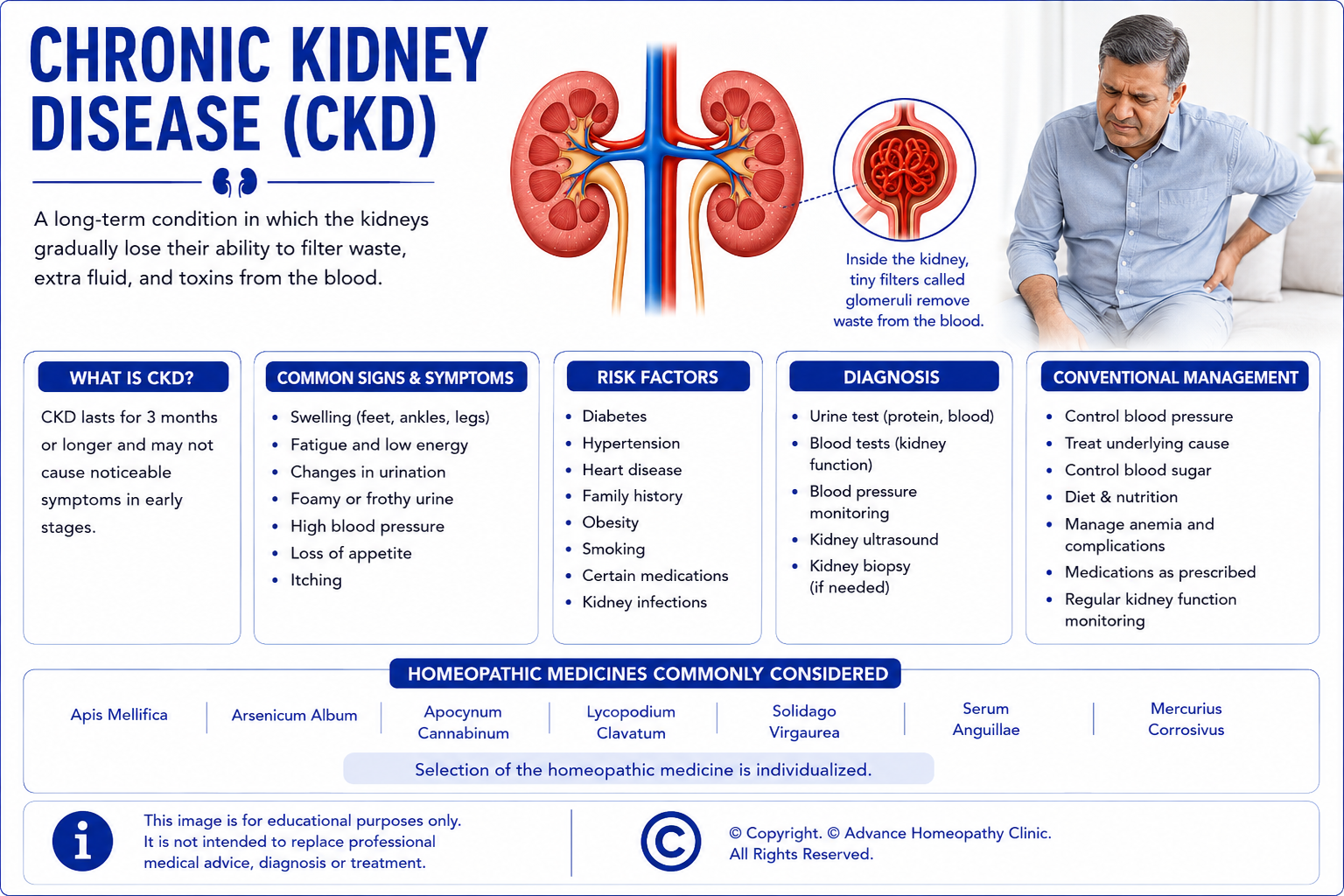
Common Signs & Symptoms of Chronic Kidney Disease
- Fatigue and reduced energy levels
- Swelling of the feet, ankles, or legs (edema)
- Puffiness around the eyes
- Changes in urination frequency or volume
- Foamy or frothy urine due to proteinuria
- Blood in the urine (in some patients)
- High blood pressure
- Loss of appetite
- Nausea or vomiting in advanced stages
- Muscle cramps
- Itching (pruritus)
- Difficulty concentrating
Risk Factors for Chronic Kidney Disease
- Diabetes Mellitus
- Hypertension
- Cardiovascular disease
- Family history of kidney disease
- Increasing age
- Obesity
- Smoking
- Recurrent kidney infections
- Autoimmune kidney diseases
- Long-term use of certain medications that may affect kidney function
Conventional Management of Chronic Kidney Disease
Treatment aims to preserve kidney function, slow disease progression, reduce complications, and improve quality of life.
Conventional management commonly includes:
- Identifying and treating the underlying cause
- Blood pressure control
- Blood glucose management in patients with diabetes
- Prescription medications to reduce proteinuria and protect kidney function where indicated
- Dietary and nutritional counselling
- Management of cholesterol and cardiovascular risk factors
- Regular monitoring of kidney function and urine protein
- Treatment of anemia, electrolyte abnormalities, and mineral bone disorders where indicated
- Dialysis for advanced kidney failure when medically required
- Kidney transplantation for suitable patients
- Regular follow-up with a nephrologist
Homeopathic Medicines Commonly Considered for Chronic Kidney Disease
Some homeopathic medicines that experienced homeopathic physicians may consider as part of an individualized treatment plan include:
- Apis Mellifica
- Arsenicum Album
- Apocynum Cannabinum
- Lycopodium Clavatum
- Solidago Virgaurea
- Serum Anguillae
- Mercurius Corrosivus
- Helleborus Niger
Homeopathic medicines should only be prescribed by a qualified homeopathic physician after an individualized clinical evaluation.
Important: Complementary Care for Chronic Kidney Disease (CKD)
Chronic Kidney Disease (CKD) should always be evaluated and managed by a qualified nephrologist or appropriately trained healthcare professional to confirm the diagnosis, determine the stage of kidney disease, identify the underlying cause, assess the rate of disease progression, detect associated complications, and develop an individualized long-term management plan. Comprehensive evaluation commonly includes estimated Glomerular Filtration Rate (eGFR), serum creatinine, urine albumin-to-creatinine ratio (ACR) or urine protein assessment, complete urinalysis, blood pressure monitoring, kidney ultrasound, blood glucose or HbA1c where appropriate, electrolyte assessment, complete blood count, mineral and bone metabolism evaluation, and kidney biopsy when clinically indicated. Early diagnosis and regular monitoring are essential because CKD often progresses silently and significantly increases the risk of kidney failure, cardiovascular disease, anaemia, mineral and bone disorders, electrolyte abnormalities, and premature mortality.
Patients with stable Chronic Kidney Disease (CKD) may be considered for individualized homeopathic treatment as a complementary approach following appropriate nephrology evaluation. Homeopathy may be integrated alongside blood pressure control, diabetes management where applicable, individualized dietary counselling, sodium restriction where appropriate, management of proteinuria, treatment of anaemia and mineral bone disease, healthy lifestyle modification, smoking cessation, regular physical activity as medically appropriate, prescribed medications, and regular follow-up with their nephrologist or primary care physician. Individualized homeopathic prescribing is based on the patient's complete clinical presentation, constitutional characteristics, kidney disease stage, associated medical conditions, laboratory findings, medical history, lifestyle factors, emotional well-being, and overall health rather than the diagnosis alone.
Patients should continue all recommended conventional treatment, including regular monitoring of kidney function and urine protein, blood pressure control, diabetes management, renoprotective medications such as angiotensin-converting enzyme (ACE) inhibitors or angiotensin receptor blockers (ARBs) when indicated, sodium-glucose cotransporter-2 (SGLT2) inhibitors where clinically appropriate, dietary modification, management of cardiovascular risk factors, treatment of CKD-related complications, dialysis for advanced kidney failure when medically indicated, kidney transplantation evaluation for suitable candidates, and regular nephrology follow-up. Homeopathy should not be regarded as a substitute for evidence-based nephrology care, particularly in patients with advanced CKD, rapidly declining kidney function, significant proteinuria, severe electrolyte disturbances, uncontrolled hypertension, diabetic kidney disease, autoimmune kidney disorders, or those requiring dialysis or kidney transplantation.
Patients with Stage 4 or Stage 5 CKD, rapidly progressive decline in kidney function, persistent heavy proteinuria, resistant hypertension, recurrent electrolyte abnormalities, severe anaemia, metabolic acidosis, preparation for dialysis, or evaluation for kidney transplantation should continue specialist nephrology care and regular monitoring. Homeopathy should not replace recommended laboratory investigations, renoprotective medications, dialysis, kidney transplantation evaluation, or other evidence-based nephrology interventions when these are advised by the treating nephrologist.
Patients who develop marked reduction in urine output, severe swelling of the face or legs, persistent vomiting, severe shortness of breath, chest pain, confusion, seizures, severe hyperkalaemia-related symptoms, uncontrolled hypertension with neurological symptoms, loss of consciousness, or any sudden deterioration in their general condition should seek immediate medical attention, as these symptoms may indicate acute kidney injury superimposed on CKD, life-threatening electrolyte disturbances, pulmonary oedema, hypertensive emergency, uraemic complications, or another medical emergency requiring urgent hospital-based evaluation and treatment.
2. Diabetic Kidney Disease
What is Diabetic Kidney Disease?
Diabetic Kidney Disease (DKD), also known as Diabetic Nephropathy, is one of the most common complications of Diabetes Mellitus and a leading cause of Chronic Kidney Disease (CKD) worldwide. It develops when persistently elevated blood glucose levels gradually damage the tiny filtering units of the kidneys (glomeruli), reducing their ability to remove waste products and excess fluid from the blood while allowing protein to leak into the urine.
Diabetic Kidney Disease usually develops gradually over several years and may not cause noticeable symptoms during its early stages. Regular screening with urine and blood tests is therefore important for people living with diabetes, as early detection and appropriate treatment can help preserve kidney function and slow disease progression.
Modern nephrology and diabetes care focus on maintaining optimal blood glucose control, managing blood pressure, reducing urinary protein loss, preserving kidney function, and preventing cardiovascular complications through evidence-based medical treatment. Many individuals also explore complementary therapies while continuing conventional medical care.
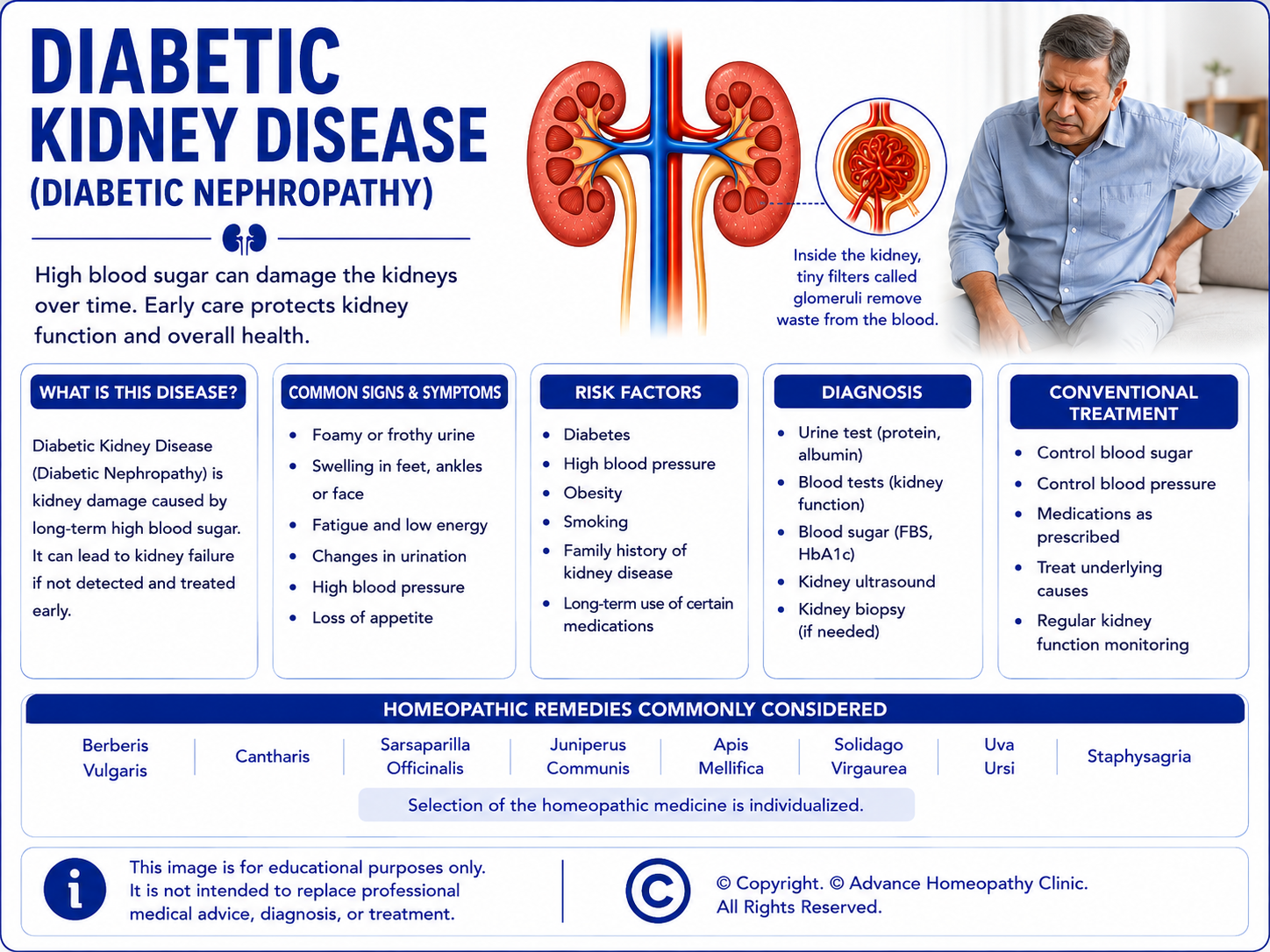
Common Signs & Symptoms of Diabetic Kidney Disease
- Protein in the urine (albuminuria or proteinuria)
- Swelling of the feet, ankles, or legs
- Foamy or frothy urine
- High blood pressure
- Fatigue and reduced energy levels
- Changes in urination
- Loss of appetite in advanced stages
- Nausea in advanced kidney disease
- Gradual decline in kidney function detected on blood tests
Risk Factors for Diabetic Kidney Disease
- Long-standing Diabetes Mellitus
- Poor blood glucose control
- Hypertension
- Obesity
- Smoking
- High cholesterol
- Family history of kidney disease
- Cardiovascular disease
Conventional Management of Diabetic Kidney Disease
Treatment aims to preserve kidney function, slow disease progression, and reduce the risk of cardiovascular complications.
Conventional management commonly includes:
- Good blood glucose control
- Blood pressure management
- Prescription medications to reduce proteinuria and protect kidney function where indicated
- Healthy dietary and nutritional advice
- Weight management and regular physical activity
- Cholesterol management
- Regular monitoring of kidney function and urine protein
- Management of cardiovascular risk factors
- Dialysis or kidney transplantation for advanced kidney failure when medically indicated
- Regular follow-up with a nephrologist and diabetes specialist
Homeopathic Medicines Commonly Considered for Diabetic Kidney Disease
Some homeopathic medicines that experienced homeopathic physicians may consider as part of an individualized treatment plan include:
- Syzygium Jambolanum
- Phosphoric Acid
- Lycopodium Clavatum
- Arsenicum Album
- Apis Mellifica
- Uranium Nitricum
- Solidago Virgaurea
- Helonias Dioica
Homeopathic medicines should only be prescribed by a qualified homeopathic physician after an individualized clinical evaluation.
Important: Complementary Care for Diabetic Kidney Disease
Diabetic Kidney Disease (Diabetic Nephropathy) should always be evaluated and managed by a qualified nephrologist, endocrinologist, diabetologist, or appropriately trained healthcare professional to confirm the diagnosis, assess the stage of kidney disease, evaluate the severity of albuminuria or proteinuria, identify associated diabetic complications, assess cardiovascular risk, and develop an individualized long-term management plan. Comprehensive evaluation commonly includes estimated Glomerular Filtration Rate (eGFR), serum creatinine, urine albumin-to-creatinine ratio (ACR), complete urinalysis, blood glucose monitoring, HbA1c, blood pressure assessment, lipid profile, kidney ultrasound where indicated, retinal examination, assessment for diabetic neuropathy, electrolyte evaluation, and regular monitoring of kidney function over time. Early diagnosis is essential because appropriate treatment can significantly slow the progression of kidney disease, reduce cardiovascular complications, and delay the need for dialysis or kidney transplantation.
Patients with stable Diabetic Kidney Disease may be considered for individualized homeopathic treatment as a complementary approach following appropriate nephrology and diabetes evaluation. Homeopathy may be integrated alongside optimal blood glucose control, blood pressure management, individualized dietary counselling, weight management, regular physical activity where medically appropriate, smoking cessation, lipid management, prescribed medications, and regular follow-up with their nephrologist, endocrinologist, or primary care physician. Individualized homeopathic prescribing is based on the patient's complete clinical presentation, constitutional characteristics, kidney disease stage, diabetic status, associated medical conditions, laboratory findings, lifestyle factors, emotional well-being, and overall health rather than the diagnosis alone.
Patients should continue all recommended conventional treatment, including intensive diabetes management, regular HbA1c monitoring, ACE inhibitors or angiotensin receptor blockers (ARBs) where indicated, sodium-glucose cotransporter-2 (SGLT2) inhibitors, glucagon-like peptide-1 (GLP-1) receptor agonists where clinically appropriate, lipid-lowering therapy, blood pressure control, dietary management, treatment of CKD-related complications, regular monitoring of kidney function and albuminuria, dialysis when medically indicated, and evaluation for kidney transplantation in advanced disease. Homeopathy should not be regarded as a substitute for evidence-based diabetes or nephrology care, particularly in patients with advanced CKD, rapidly progressive diabetic kidney disease, severe proteinuria, uncontrolled diabetes, resistant hypertension, cardiovascular disease, or those requiring renal replacement therapy.
Patients with persistent macroalbuminuria, rapidly declining eGFR, advanced CKD, recurrent hyperkalaemia, resistant hypertension, diabetic retinopathy associated with progressive kidney disease, recurrent cardiovascular events, preparation for dialysis, or evaluation for kidney transplantation should continue specialist nephrology and endocrinology care. Homeopathy should not replace recommended laboratory monitoring, renoprotective medications, diabetes treatment, dialysis, kidney transplantation evaluation, or other evidence-based interventions when these are advised by the treating specialist.
Patients who develop marked reduction in urine output, severe swelling, persistent vomiting, severe shortness of breath, chest pain, confusion, recurrent hypoglycaemia, severe hyperglycaemia with dehydration, symptoms of diabetic ketoacidosis or hyperosmolar hyperglycaemic state, severe hyperkalaemia-related symptoms, loss of consciousness, or any sudden deterioration in their general condition should seek immediate medical attention, as these symptoms may indicate acute kidney injury, advanced kidney failure, severe metabolic disturbance, cardiovascular emergency, diabetic emergency, or another life-threatening condition requiring urgent hospital-based evaluation and treatment.
3. Hypertensive Kidney Disease
What is Hypertensive Kidney Disease?
Hypertensive Kidney Disease, also known as Hypertensive Nephropathy or Hypertensive Nephrosclerosis, is a chronic kidney disorder that develops as a result of long-standing high blood pressure. Persistently elevated blood pressure can damage the small blood vessels within the kidneys, reducing their ability to filter waste products and excess fluid from the blood. Over time, this damage may lead to a gradual decline in kidney function and, in some individuals, progress to Chronic Kidney Disease (CKD).
High blood pressure is both a cause and a consequence of kidney disease. Poorly controlled hypertension can accelerate kidney damage, while impaired kidney function may further increase blood pressure, creating a cycle that contributes to disease progression. Because early kidney damage often causes no noticeable symptoms, regular blood pressure monitoring and kidney function assessment are important for individuals with hypertension.
Modern nephrology focuses on achieving optimal blood pressure control, reducing cardiovascular risk, preserving kidney function, and slowing disease progression through evidence-based medical treatment and regular follow-up. Many individuals also explore complementary therapies while continuing conventional medical care.
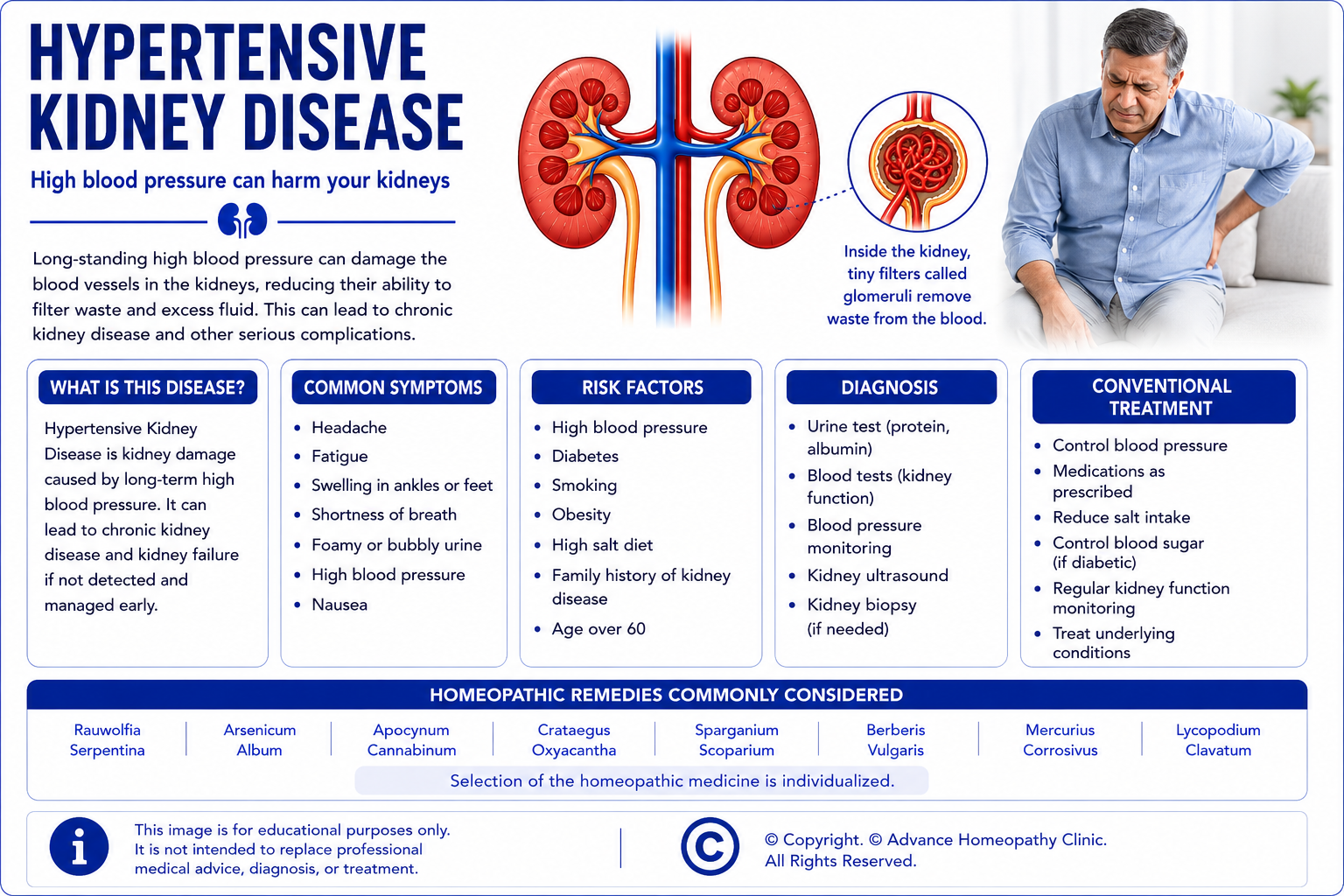
Common Signs & Symptoms of Hypertensive Kidney Disease
- High blood pressure
- Swelling of the feet, ankles, or legs
- Protein in the urine
- Changes in urination
- Fatigue and reduced energy levels
- Foamy or frothy urine
- Headache associated with uncontrolled hypertension
- Gradual decline in kidney function detected on blood tests
Risk Factors for Hypertensive Kidney Disease
- Long-standing hypertension
- Poor blood pressure control
- Diabetes Mellitus
- Chronic Kidney Disease
- Obesity
- Smoking
- High cholesterol
- Family history of kidney disease
- Increasing age
Conventional Management of Hypertensive Kidney Disease
Treatment aims to preserve kidney function, control blood pressure, reduce cardiovascular risk, and slow disease progression.
Conventional management commonly includes:
- Strict blood pressure control
- Prescription medications to lower blood pressure and protect kidney function where indicated
- Dietary modification, including sodium restriction where advised
- Weight management and regular physical activity
- Smoking cessation
- Management of diabetes and other cardiovascular risk factors
- Regular monitoring of kidney function and urine protein
- Dialysis or kidney transplantation for advanced kidney failure when medically indicated
- Regular follow-up with a nephrologist and primary care physician
Homeopathic Medicines Commonly Considered for Hypertensive Kidney Disease
Some homeopathic medicines that experienced homeopathic physicians may consider as part of an individualized treatment plan include:
- Baryta Carbonica
- Glonoinum
- Lachesis Mutus
- Natrum Muriaticum
- Lycopodium Clavatum
- Apis Mellifica
- Arsenicum Album
- Crataegus Oxyacantha
Homeopathic medicines should only be prescribed by a qualified homeopathic physician after an individualized clinical evaluation.
Important: Complementary Care for Hypertensive Kidney Disease
Hypertensive Kidney Disease should always be evaluated and managed by a qualified nephrologist, cardiologist, primary care physician, or appropriately trained healthcare professional to confirm the diagnosis, assess the severity of kidney involvement, identify associated cardiovascular disease, determine the stage of chronic kidney disease, and develop an individualized long-term management plan. Comprehensive evaluation commonly includes estimated Glomerular Filtration Rate (eGFR), serum creatinine, urine albumin-to-creatinine ratio (ACR) or urine protein assessment, complete urinalysis, repeated blood pressure measurements using standardized techniques, home or ambulatory blood pressure monitoring where indicated, kidney ultrasound, electrolyte assessment, blood glucose or HbA1c, lipid profile, electrocardiogram (ECG), and additional investigations based on the patient's clinical presentation. Early diagnosis and effective blood pressure control are essential because persistent hypertension may progressively damage the kidneys while significantly increasing the risk of heart attack, stroke, heart failure, chronic kidney failure, and premature cardiovascular death.
Patients with stable Hypertensive Kidney Disease may be considered for individualized homeopathic treatment as a complementary approach following appropriate nephrology and cardiovascular evaluation. Homeopathy may be integrated alongside strict blood pressure control, sodium restriction, healthy dietary modification, weight management, regular physical activity where medically appropriate, smoking cessation, diabetes management where applicable, lipid management, prescribed antihypertensive medications, and regular follow-up with their nephrologist and cardiologist or primary care physician. Individualized homeopathic prescribing is based on the patient's complete clinical presentation, constitutional characteristics, kidney disease stage, cardiovascular risk profile, associated medical conditions, laboratory findings, lifestyle factors, emotional well-being, and overall health rather than the diagnosis alone.
Patients should continue all recommended conventional treatment, including regular monitoring of kidney function and urine protein, antihypertensive medications, ACE inhibitors or angiotensin receptor blockers (ARBs) where indicated, management of diabetes and dyslipidemia, dietary modification, treatment of CKD-related complications, cardiovascular risk reduction, dialysis for advanced kidney failure when medically indicated, kidney transplantation evaluation for suitable candidates, and regular nephrology and cardiology follow-up. Homeopathy should not be regarded as a substitute for evidence-based nephrology or cardiovascular care, particularly in patients with advanced CKD, resistant hypertension, rapidly progressive kidney disease, significant proteinuria, heart failure, previous heart attack or stroke, severe cardiovascular disease, or those requiring dialysis or kidney transplantation.
Patients with persistently uncontrolled blood pressure despite appropriate treatment, rapidly declining kidney function, Stage 4 or Stage 5 CKD, resistant hypertension, recurrent electrolyte abnormalities, progressive proteinuria, evidence of hypertensive heart disease, preparation for dialysis, or evaluation for kidney transplantation should continue specialist nephrology and cardiology care. Homeopathy should not replace recommended antihypertensive therapy, laboratory investigations, renal imaging, dialysis, kidney transplantation evaluation, or other evidence-based medical interventions when these are advised by the treating specialist.
Patients who develop severe chest pain, sudden shortness of breath, marked reduction in urine output, severe swelling, sudden weakness or numbness affecting one side of the body, difficulty speaking, sudden loss of vision, severe headache associated with neurological symptoms, confusion, seizures, loss of consciousness, or any sudden deterioration in their general condition should seek immediate medical attention, as these symptoms may indicate hypertensive emergency, acute kidney injury, stroke, heart attack, acute heart failure, life-threatening electrolyte disturbances, or another medical emergency requiring urgent hospital-based evaluation and treatment.
4. Nephrotic Syndrome
What is Nephrotic Syndrome?
Nephrotic Syndrome is a kidney disorder characterized by excessive loss of protein in the urine due to damage to the filtering units of the kidneys (glomeruli). Normally, these filters prevent important proteins from passing into the urine. When they become damaged, large amounts of protein are lost, resulting in low blood protein levels, swelling (edema), and other metabolic changes.
Nephrotic Syndrome is not a single disease but a clinical syndrome that may develop due to various kidney disorders, including Minimal Change Disease, Focal Segmental Glomerulosclerosis (FSGS), Membranous Nephropathy, diabetic kidney disease, autoimmune diseases, infections, or certain medications. The condition may affect both children and adults and requires careful medical evaluation to determine the underlying cause.
Modern nephrology focuses on identifying the cause of Nephrotic Syndrome, reducing protein loss, preserving kidney function, managing swelling and associated complications, and improving long-term health outcomes through evidence-based medical treatment. Many individuals also explore complementary therapies while continuing conventional medical care.
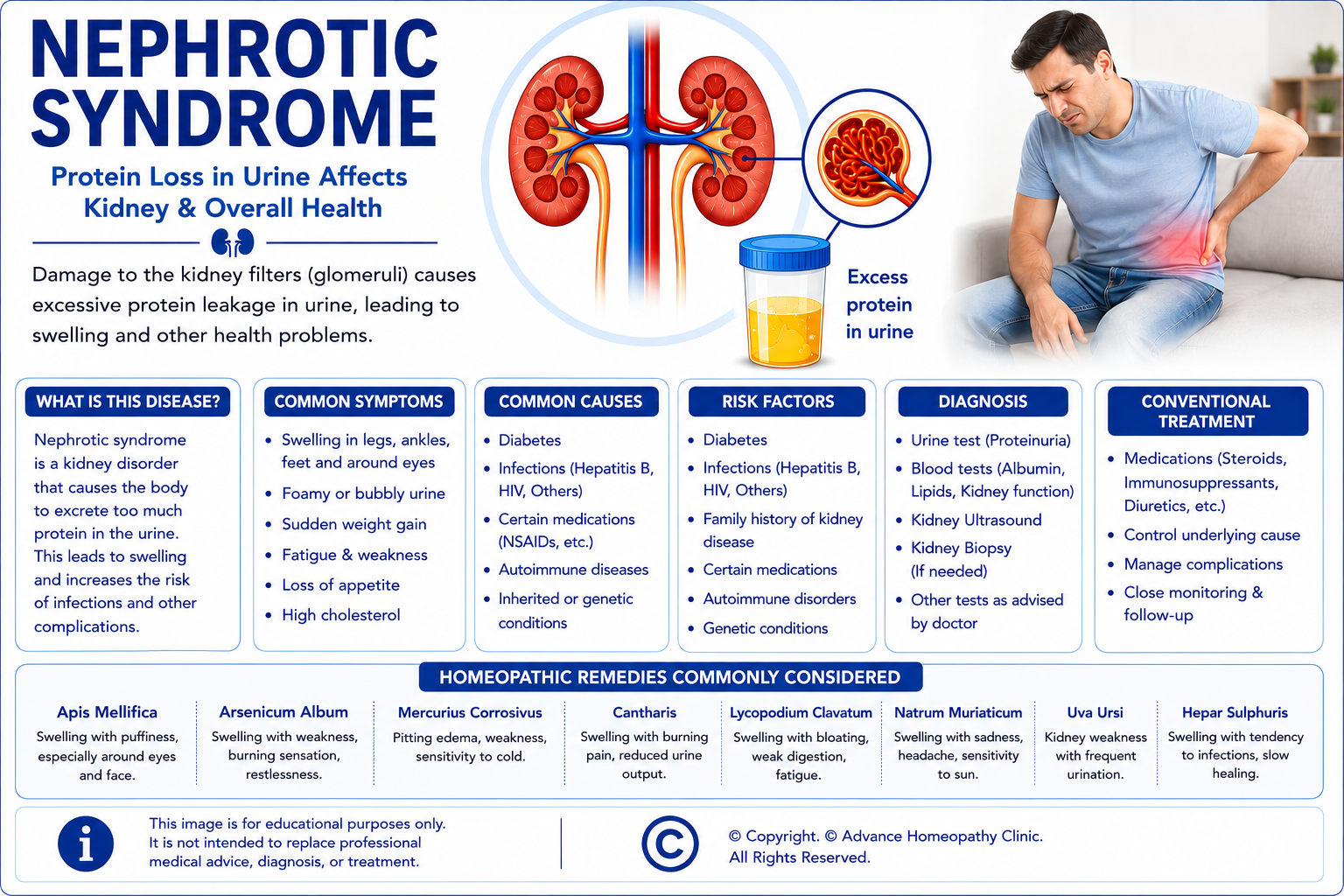
Common Signs & Symptoms of Nephrotic Syndrome
- Swelling of the feet, ankles, legs, or face (edema)
- Puffiness around the eyes, especially in the morning
- Foamy or frothy urine due to heavy proteinuria
- Weight gain due to fluid retention
- Fatigue
- Reduced urine output in some patients
- Loss of appetite
- Elevated blood pressure in some individuals
Risk Factors for Nephrotic Syndrome
- Diabetes Mellitus
- Autoimmune diseases such as Lupus
- Certain glomerular diseases
- Viral infections
- Certain medications
- Family history of kidney disease
- Chronic kidney disorders
Conventional Management of Nephrotic Syndrome
Treatment depends on the underlying cause and aims to reduce protein loss, control swelling, preserve kidney function, and prevent disease progression.
Conventional management commonly includes:
- Identifying and treating the underlying cause
- Prescription medications to reduce proteinuria and protect kidney function where indicated
- Diuretic therapy for fluid retention where appropriate
- Blood pressure management
- Dietary and nutritional advice
- Cholesterol management
- Immunosuppressive therapy for selected kidney diseases when indicated
- Regular monitoring of kidney function and urine protein
- Dialysis or kidney transplantation for advanced kidney failure when medically indicated
- Regular follow-up with a nephrologist
Homeopathic Medicines Commonly Considered for Nephrotic Syndrome
Some homeopathic medicines that experienced homeopathic physicians may consider as part of an individualized treatment plan include:
- Apis Mellifica
- Apocynum Cannabinum
- Arsenicum Album
- Helleborus Niger
- Solidago Virgaurea
- Serum Anguillae
- Mercurius Corrosivus
- Lycopodium Clavatum
Homeopathic medicines should only be prescribed by a qualified homeopathic physician after an individualized clinical evaluation.
Important: Complementary Care for Nephrotic Syndrome
Nephrotic Syndrome should always be evaluated and managed by a qualified nephrologist or appropriately trained healthcare professional to confirm the diagnosis, determine the underlying cause, assess the severity of kidney involvement, identify associated complications, and develop an individualized treatment plan. Comprehensive evaluation commonly includes estimated Glomerular Filtration Rate (eGFR), serum creatinine, complete urinalysis, quantification of proteinuria by urine protein-to-creatinine ratio (PCR), albumin-to-creatinine ratio (ACR), or 24-hour urinary protein estimation where appropriate, serum albumin, lipid profile, electrolyte assessment, complete blood count, autoimmune investigations when indicated, viral screening where appropriate, kidney ultrasound, and kidney biopsy when clinically indicated to establish the underlying glomerular disease. Accurate diagnosis is essential because Nephrotic Syndrome may result from Minimal Change Disease, Focal Segmental Glomerulosclerosis (FSGS), Membranous Nephropathy, diabetic kidney disease, systemic lupus erythematosus, amyloidosis, infections, medications, or other systemic disorders, each requiring different management.
Patients with stable Nephrotic Syndrome receiving appropriate nephrology care may be considered for individualized homeopathic treatment as a complementary approach following specialist evaluation. Homeopathy may be integrated alongside treatment of the underlying kidney disease, dietary counselling including appropriate sodium restriction where indicated, blood pressure control, management of edema, lipid management, prevention of thromboembolic complications where appropriate, prescribed medications, healthy lifestyle modification, and regular follow-up with their nephrologist. Individualized homeopathic prescribing is based on the patient's complete clinical presentation, constitutional characteristics, underlying kidney disorder, laboratory findings, associated medical conditions, medical history, lifestyle factors, emotional well-being, and overall health rather than the diagnosis alone.
Patients should continue all recommended conventional treatment, including corticosteroids where indicated, immunosuppressive therapy for selected glomerular diseases, ACE inhibitors or angiotensin receptor blockers (ARBs) to reduce proteinuria where appropriate, diuretics for edema management, lipid-lowering therapy, anticoagulation in selected high-risk patients, treatment of the underlying systemic disease, regular monitoring of kidney function and proteinuria, dialysis for advanced kidney failure when medically indicated, kidney transplantation evaluation for suitable candidates, and ongoing nephrology follow-up. Homeopathy should not be regarded as a substitute for evidence-based nephrology care, particularly in patients with severe proteinuria, progressive decline in kidney function, nephrotic syndrome secondary to systemic disease, significant edema, thromboembolic complications, recurrent infections, or those requiring immunosuppressive therapy, dialysis, or kidney transplantation.
Patients with persistent heavy proteinuria, worsening kidney function, severe hypoalbuminemia, recurrent edema despite treatment, recurrent infections, thromboembolic events, resistant hypertension, advanced CKD, preparation for dialysis, or evaluation for kidney transplantation should continue specialist nephrology care and regular monitoring. Homeopathy should not replace recommended laboratory investigations, kidney biopsy, immunosuppressive therapy, dialysis, kidney transplantation evaluation, or other evidence-based nephrology interventions when these are advised by the treating nephrologist.
Patients who develop rapidly increasing generalized swelling, marked reduction in urine output, severe shortness of breath, chest pain, severe abdominal pain, sudden swelling or pain in the leg, coughing up blood, persistent fever, confusion, seizures, loss of consciousness, or any sudden deterioration in their general condition should seek immediate medical attention, as these symptoms may indicate acute kidney injury, pulmonary edema, deep vein thrombosis, pulmonary embolism, severe infection, life-threatening electrolyte disturbances, or another medical emergency requiring urgent hospital-based evaluation and treatment.
5. Proteinuria
What is Proteinuria?
Proteinuria refers to the presence of an abnormal amount of protein in the urine. Under normal circumstances, healthy kidneys prevent most proteins from passing into the urine while filtering waste products from the blood. When the kidney filters (glomeruli) become damaged or when certain kidney disorders affect the filtration process, proteins—particularly albumin—may leak into the urine.
Proteinuria is not a disease itself, but an important clinical sign that may indicate an underlying kidney disorder. It is commonly associated with Diabetic Kidney Disease, Hypertensive Kidney Disease, Chronic Kidney Disease, Glomerulonephritis, and Nephrotic Syndrome, although it may also occur temporarily following strenuous exercise, fever, dehydration, or certain medical conditions. Persistent proteinuria requires appropriate medical evaluation to identify the underlying cause and assess kidney function.
Modern nephrology focuses on identifying the cause of proteinuria, preserving kidney function, reducing urinary protein loss, and preventing progression of kidney disease through evidence-based medical care. Many individuals also explore complementary therapies while continuing conventional treatment.
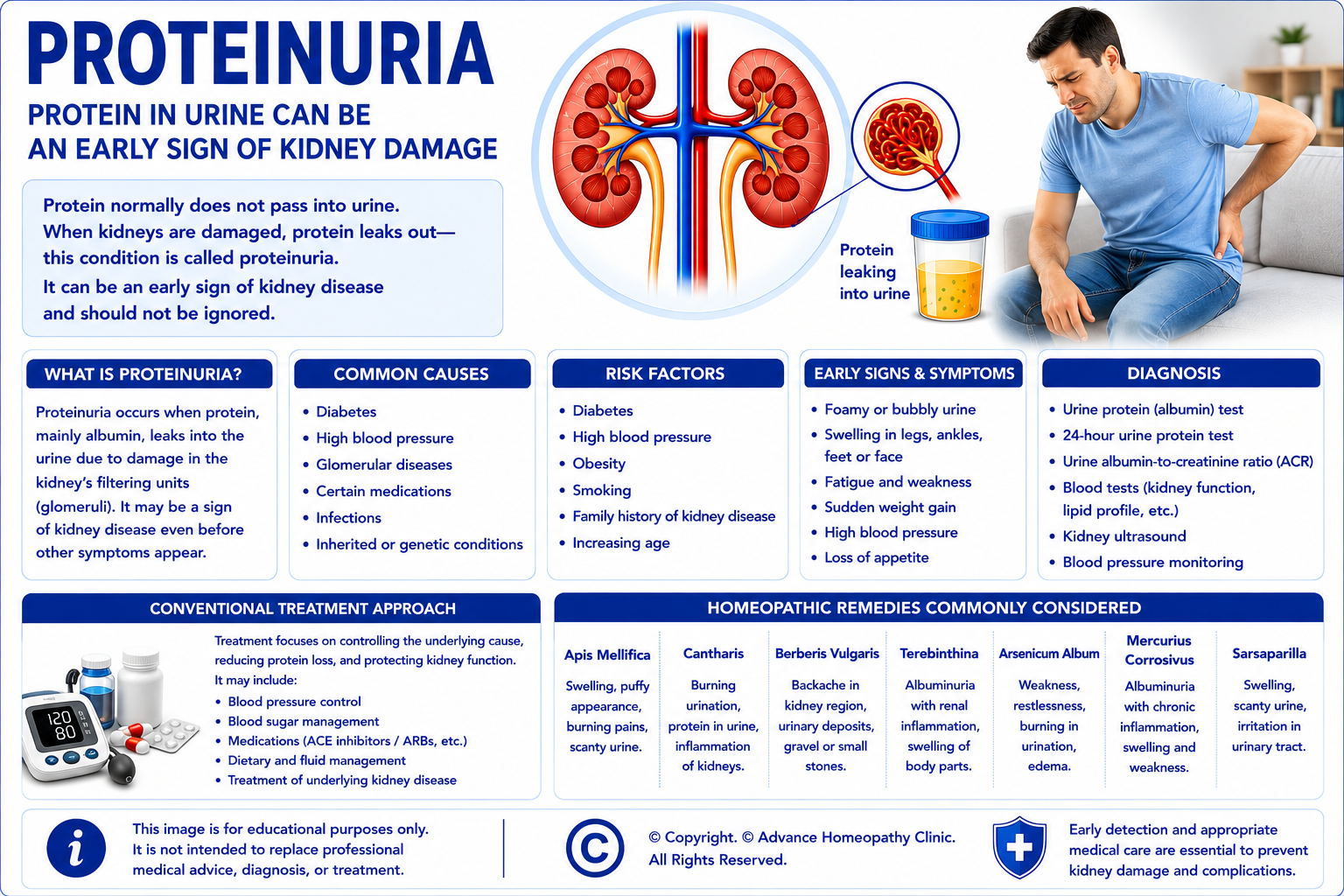
Common Signs & Symptoms of Proteinuria
Many individuals with Proteinuria have no noticeable symptoms, particularly during the early stages. When symptoms occur, they may include:
- Foamy or frothy urine
- Swelling of the feet, ankles, legs, or face
- Puffiness around the eyes
- High blood pressure
- Fatigue
- Changes in urination
- Protein detected during routine urine examination
Risk Factors for Proteinuria
- Diabetes Mellitus
- Hypertension
- Chronic Kidney Disease
- Glomerular diseases
- Autoimmune disorders
- Family history of kidney disease
- Obesity
- Increasing age
Conventional Management of Proteinuria
Treatment focuses on identifying and managing the underlying cause, reducing urinary protein loss, preserving kidney function, and preventing disease progression.
Conventional management commonly includes:
- Identifying and treating the underlying cause
- Blood pressure management
- Blood glucose control in patients with diabetes
- Prescription medications to reduce proteinuria and protect kidney function where indicated
- Dietary and nutritional advice
- Weight management
- Regular monitoring of kidney function and urine protein
- Management of associated cardiovascular risk factors
- Regular follow-up with a nephrologist
Homeopathic Medicines Commonly Considered for Proteinuria
Some homeopathic medicines that experienced homeopathic physicians may consider as part of an individualized treatment plan include:
- Apis Mellifica
- Apocynum Cannabinum
- Arsenicum Album
- Solidago Virgaurea
- Serum Anguillae
- Mercurius Corrosivus
- Lycopodium Clavatum
- Helleborus Niger
Homeopathic medicines should only be prescribed by a qualified homeopathic physician after an individualized clinical evaluation.
Important: Complementary Care for Proteinuria
Proteinuria should always be evaluated and managed by a qualified nephrologist or appropriately trained healthcare professional to confirm the diagnosis, determine the quantity and persistence of urinary protein loss, identify the underlying cause, assess kidney function, evaluate associated systemic disorders, and develop an individualized management plan. Comprehensive evaluation commonly includes repeat urine protein assessment using a urine albumin-to-creatinine ratio (ACR), urine protein-to-creatinine ratio (PCR), or 24-hour urine protein estimation where appropriate, complete urinalysis with microscopic examination, estimated Glomerular Filtration Rate (eGFR), serum creatinine, blood pressure measurement, blood glucose or HbA1c, lipid profile, kidney ultrasound, autoimmune investigations where indicated, and kidney biopsy in selected patients with persistent or unexplained proteinuria. Accurate diagnosis is essential because persistent proteinuria may represent early chronic kidney disease, diabetic kidney disease, glomerulonephritis, hypertensive nephrosclerosis, hereditary kidney disorders, systemic autoimmune diseases, or other conditions requiring disease-specific treatment.
Patients with stable Proteinuria following appropriate nephrology evaluation may be considered for individualized homeopathic treatment as a complementary approach. Homeopathy may be integrated alongside treatment of the underlying kidney disorder, blood pressure control, diabetes management where applicable, dietary counselling, sodium restriction where appropriate, healthy lifestyle modification, smoking cessation, prescribed medications, regular monitoring of kidney function and urinary protein excretion, and ongoing follow-up with their nephrologist. Individualized homeopathic prescribing is based on the patient's complete clinical presentation, constitutional characteristics, underlying diagnosis, laboratory findings, associated medical conditions, lifestyle factors, emotional well-being, and overall health rather than the diagnosis alone.
Patients should continue all recommended conventional treatment, including ACE inhibitors or angiotensin receptor blockers (ARBs) where indicated to reduce proteinuria, sodium-glucose cotransporter-2 (SGLT2) inhibitors when clinically appropriate, diabetes management, blood pressure control, treatment of underlying glomerular or systemic diseases, dietary management, regular monitoring of kidney function and urine protein, kidney biopsy when indicated, and ongoing nephrology follow-up. Homeopathy should not be regarded as a substitute for evidence-based nephrology care, particularly in patients with persistent heavy proteinuria, nephrotic-range proteinuria, rapidly declining kidney function, autoimmune kidney disease, diabetic kidney disease, hereditary nephropathies, or those requiring immunosuppressive therapy, dialysis, or kidney transplantation.
Patients with persistent or progressively increasing proteinuria, declining eGFR, uncontrolled hypertension, nephrotic-range proteinuria, recurrent haematuria, abnormal kidney imaging, suspected glomerular disease, advanced chronic kidney disease, or persistent abnormalities despite appropriate treatment should continue specialist nephrology care and regular monitoring. Homeopathy should not replace recommended laboratory investigations, kidney biopsy, renoprotective medications, immunosuppressive therapy, dialysis, kidney transplantation evaluation, or other evidence-based nephrology interventions when these are advised by the treating nephrologist.
Patients who develop marked reduction in urine output, rapidly increasing swelling of the face or legs, severe shortness of breath, severe uncontrolled hypertension, chest pain, confusion, seizures, loss of consciousness, or any sudden deterioration in their general condition should seek immediate medical attention, as these symptoms may indicate acute kidney injury, rapidly progressive glomerulonephritis, nephrotic syndrome with serious complications, pulmonary oedema, life-threatening electrolyte disturbances, or another medical emergency requiring urgent hospital-based evaluation and treatment.
6. Polycystic Kidney Disease (PKD)
What is Polycystic Kidney Disease (PKD)?
Polycystic Kidney Disease (PKD) is an inherited kidney disorder in which numerous fluid-filled cysts gradually develop within the kidneys. As these cysts increase in number and size, they enlarge the kidneys and may progressively reduce their ability to filter waste products and excess fluid from the blood. Over time, some individuals may develop Chronic Kidney Disease (CKD) and, in advanced cases, kidney failure.
The most common form is Autosomal Dominant Polycystic Kidney Disease (ADPKD), which usually develops during adulthood and often runs in families. Less commonly, Autosomal Recessive Polycystic Kidney Disease (ARPKD) presents during infancy or early childhood. Because PKD is a genetic condition, family history plays an important role in diagnosis, and screening may be recommended for close relatives in appropriate situations.
Modern nephrology focuses on preserving kidney function, controlling blood pressure, managing symptoms, monitoring disease progression, and reducing complications through evidence-based medical care. Many individuals also explore complementary therapies while continuing conventional treatment.
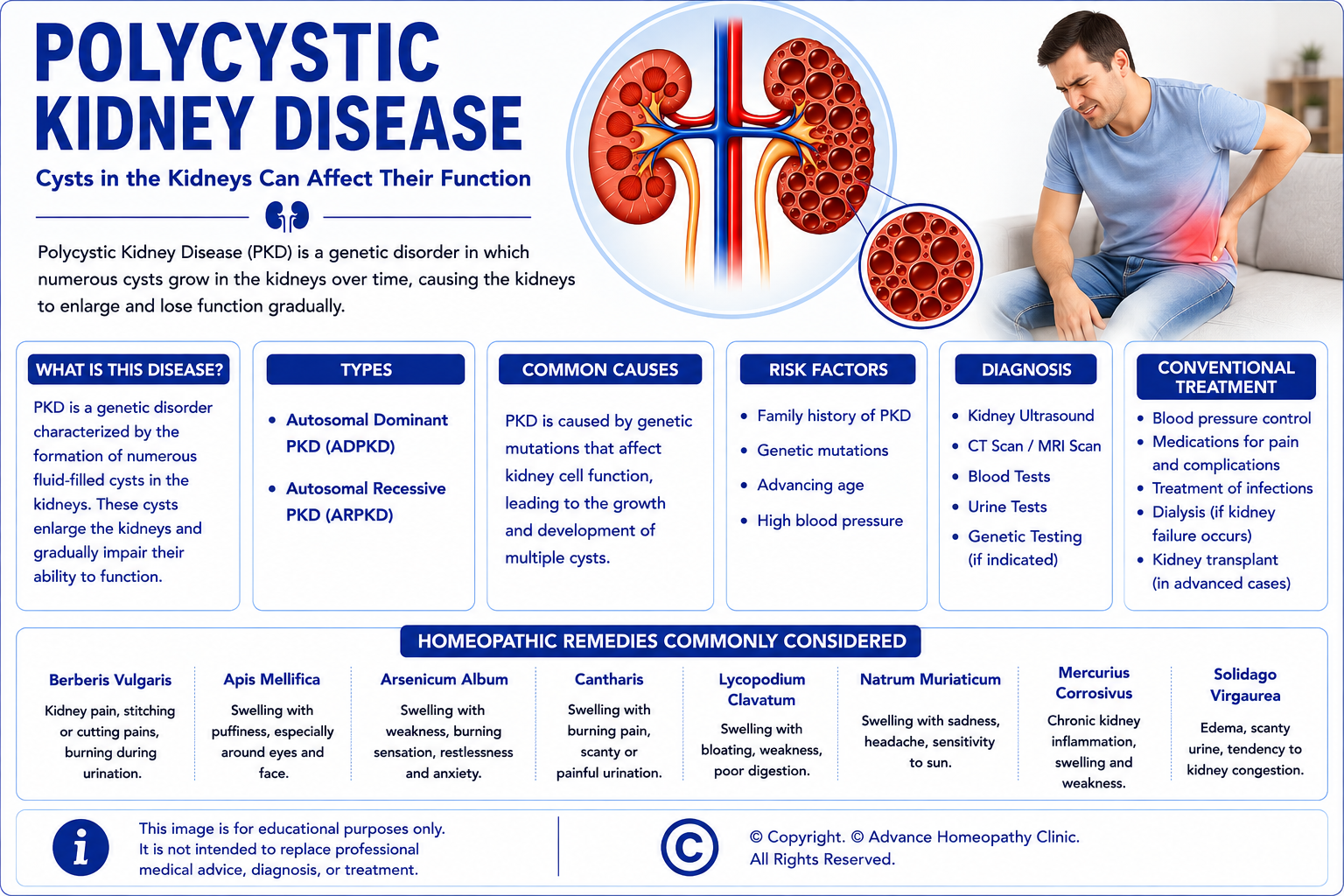
Common Signs & Symptoms of Polycystic Kidney Disease
- High blood pressure
- Pain in the back, side, or abdomen
- Blood in the urine (hematuria)
- Recurrent urinary tract infections
- Kidney stones
- Increased abdominal fullness due to enlarged kidneys
- Changes in urination
- Gradual decline in kidney function
- Family history of kidney disease
Risk Factors for Polycystic Kidney Disease
- Family history of Polycystic Kidney Disease
- Inherited genetic mutations
- Autosomal Dominant Polycystic Kidney Disease (ADPKD)
- Autosomal Recessive Polycystic Kidney Disease (ARPKD)
Conventional Management of Polycystic Kidney Disease
Treatment aims to preserve kidney function, control symptoms, slow disease progression, and reduce complications.
Conventional management commonly includes:
- Blood pressure management
- Regular monitoring of kidney function
- Kidney imaging to assess disease progression
- Management of urinary tract infections
- Treatment of kidney stones where indicated
- Dietary and nutritional advice
- Adequate hydration where appropriate
- Prescription medications where indicated
- Dialysis for advanced kidney failure when medically required
- Kidney transplantation for suitable patients
- Regular follow-up with a nephrologist
Homeopathic Medicines Commonly Considered Polycystic Kidney Disease
Some homeopathic medicines that experienced homeopathic physicians may consider as part of an individualized treatment plan include:
- Lycopodium Clavatum
- Apis Mellifica
- Berberis Vulgaris
- Solidago Virgaurea
- Arsenicum Album
- Serum Anguillae
- Pareira Brava
- Sarsaparilla
Homeopathic medicines should only be prescribed by a qualified homeopathic physician after an individualized clinical evaluation.
Important: Complementary Care for Polycystic Kidney Disease (PKD)
Polycystic Kidney Disease (PKD) should always be evaluated and managed by a qualified nephrologist or appropriately trained healthcare professional to confirm the diagnosis, determine the type of inherited kidney disease, assess the extent of kidney involvement, evaluate disease progression, identify associated complications, and develop an individualized long-term management plan. Comprehensive evaluation commonly includes family history assessment, estimated Glomerular Filtration Rate (eGFR), serum creatinine, complete urinalysis, urine albumin or protein assessment, blood pressure monitoring, kidney ultrasound, Computed Tomography (CT) or Magnetic Resonance Imaging (MRI) where indicated, liver imaging when clinically appropriate to assess hepatic cysts, genetic testing in selected patients, and screening for associated complications such as intracranial aneurysms in carefully selected high-risk individuals. Early diagnosis and regular monitoring are essential because timely intervention can slow disease progression, preserve kidney function, reduce cardiovascular risk, and delay the need for dialysis or kidney transplantation.
Patients with stable Polycystic Kidney Disease may be considered for individualized homeopathic treatment as a complementary approach following appropriate nephrology evaluation. Homeopathy may be integrated alongside strict blood pressure control, individualized dietary counselling, adequate hydration where medically appropriate, treatment of urinary tract infections or kidney stones when present, healthy lifestyle modification, smoking cessation, management of cardiovascular risk factors, prescribed medications, and regular follow-up with their nephrologist. Individualized homeopathic prescribing is based on the patient's complete clinical presentation, constitutional characteristics, stage of kidney disease, associated medical conditions, laboratory findings, family history, lifestyle factors, emotional well-being, and overall health rather than the diagnosis alone.
Patients should continue all recommended conventional treatment, including regular monitoring of kidney function and kidney size, blood pressure control, ACE inhibitors or angiotensin receptor blockers (ARBs) where indicated, disease-modifying therapy such as tolvaptan in appropriately selected patients, prompt treatment of urinary tract infections and kidney stones, management of chronic kidney disease complications, genetic counselling where appropriate, dialysis for advanced kidney failure when medically indicated, kidney transplantation evaluation for suitable candidates, and regular nephrology follow-up. Homeopathy should not be regarded as a substitute for evidence-based nephrology care, particularly in patients with rapidly progressive PKD, recurrent kidney infections, recurrent kidney stones, uncontrolled hypertension, advanced CKD, severe pain due to cyst complications, or those requiring dialysis or kidney transplantation.
Patients with rapid decline in kidney function, recurrent cyst infections, recurrent haematuria, persistent severe flank pain, rapidly enlarging kidneys, recurrent kidney stones, resistant hypertension, advanced chronic kidney disease, preparation for dialysis, or evaluation for kidney transplantation should continue specialist nephrology care and regular monitoring. Homeopathy should not replace recommended laboratory investigations, renal imaging, disease-modifying therapy, dialysis, kidney transplantation evaluation, genetic counselling, or other evidence-based nephrology interventions when these are advised by the treating nephrologist.
Patients who develop high fever associated with severe flank pain, marked reduction in urine output, severe abdominal or flank pain, persistent vomiting, severe haematuria, severe shortness of breath, chest pain, confusion, seizures, sudden severe headache suggestive of intracranial aneurysm rupture, loss of consciousness, or any sudden deterioration in their general condition should seek immediate medical attention, as these symptoms may indicate infected renal cysts, acute kidney injury, obstructing kidney stones, intracranial haemorrhage, life-threatening electrolyte disturbances, advanced kidney failure, or another medical emergency requiring urgent hospital-based evaluation and treatment.
7. Kidney Stones (Nephrolithiasis)
What are Kidney Stones (Nephrolithiasis)?
Kidney Stones, medically known as Nephrolithiasis, are hard deposits of minerals and salts that form within the kidneys when certain substances in the urine become highly concentrated and crystallize. These stones may remain inside the kidney or travel into the ureter, where they can obstruct the flow of urine and cause severe pain.
Kidney stones vary in size, number, and composition. The most common types include calcium stones, uric acid stones, struvite stones, and cystine stones. While small stones may pass naturally through the urinary tract, larger stones may require medical intervention. Individuals who have experienced one kidney stone are at increased risk of developing additional stones in the future.
Modern urology and nephrology focus on relieving symptoms, identifying the type and cause of the stone, preventing recurrence, and preserving kidney function through evidence-based medical care. Many individuals also explore complementary therapies while continuing conventional treatment.
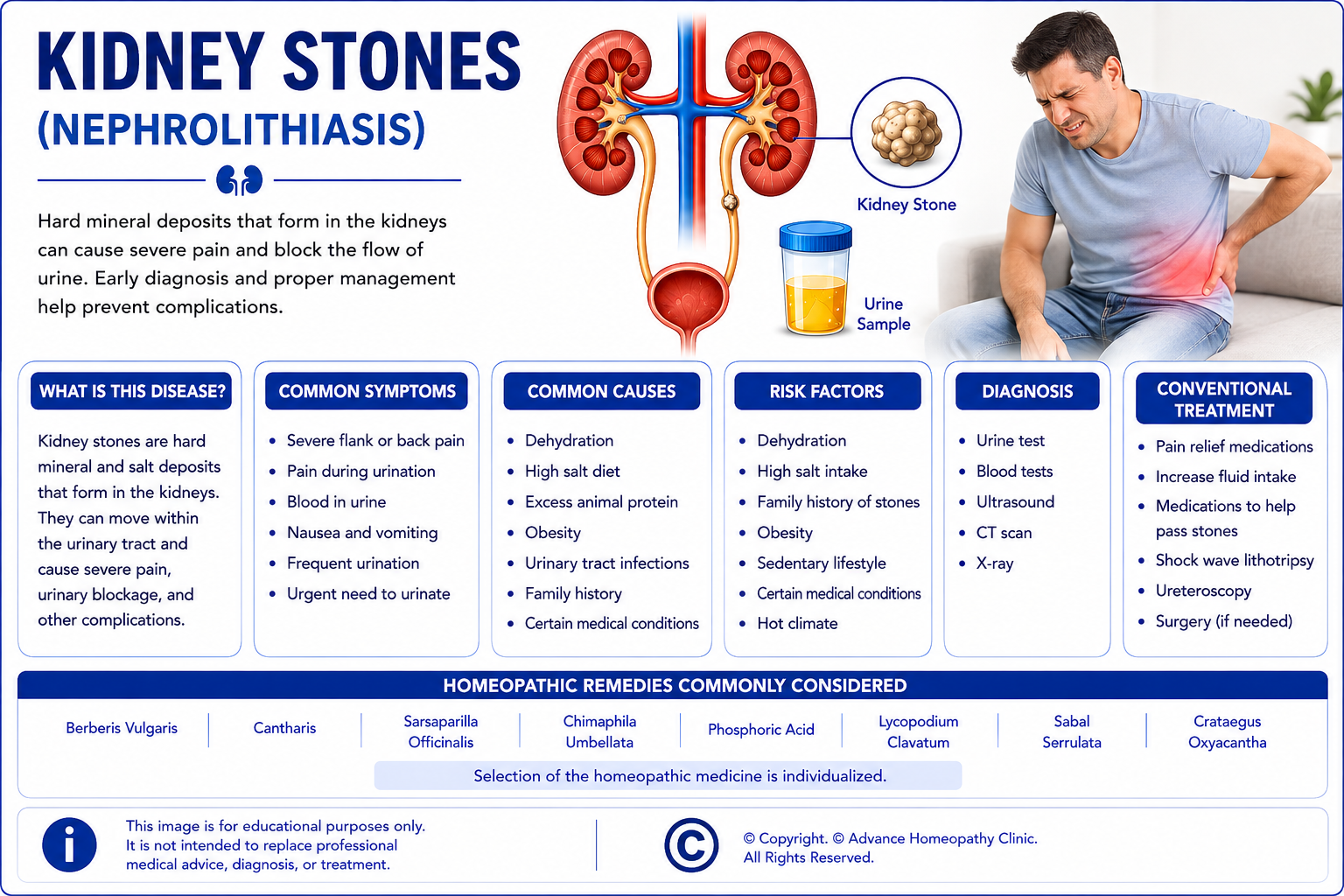
Common Signs & Symptoms of Kidney Stones
- Severe pain in the side, back, or lower abdomen (renal colic)
- Pain radiating towards the groin
- Blood in the urine (hematuria)
- Burning or pain during urination
- Frequent urge to urinate
- Nausea and vomiting
- Cloudy or foul-smelling urine
- Difficulty passing urine if obstruction occurs
- Fever and chills when associated with a urinary tract infection
Risk Factors for Kidney Stones
- Inadequate fluid intake or dehydration
- Previous history of kidney stones
- Family history of kidney stones
- Diet high in sodium or oxalates
- Obesity
- Gout or elevated uric acid levels
- Certain metabolic disorders
- Recurrent urinary tract infections
- Certain medications
Conventional Management of Kidney Stones
Treatment depends on the size, location, composition, and severity of the stone.
Conventional management commonly includes:
- Adequate hydration
- Pain management
- Medications to facilitate stone passage where appropriate
- Urine and blood investigations to determine the cause
- Stone analysis after passage or removal
- Dietary modifications to reduce recurrence
- Extracorporeal Shock Wave Lithotripsy (ESWL) for selected stones
- Ureteroscopy or other minimally invasive procedures when indicated
- Percutaneous Nephrolithotomy (PCNL) for large or complex stones
- Regular follow-up to prevent recurrence
Homeopathic Medicines Commonly Considered for Kidney Stones (Nephrolithiasis)
Some homeopathic medicines that experienced homeopathic physicians may consider as part of an individualized treatment plan include:
- Berberis Vulgaris
- Lycopodium Clavatum
- Sarsaparilla
- Pareira Brava
- Ocimum Canum
- Hydrangea Arborescens
- Cantharis
- Nux Vomica
Homeopathic medicines should only be prescribed by a qualified homeopathic physician after an individualized clinical evaluation.
Important: Complementary Care for Kidney Stones (Nephrolithiasis)
Kidney Stones (Nephrolithiasis) should always be evaluated and managed by a qualified nephrologist, urologist, or appropriately trained healthcare professional to confirm the diagnosis, determine the size, location, composition, and degree of urinary obstruction, identify underlying metabolic abnormalities, assess kidney function, and develop an individualized treatment and prevention plan. Comprehensive evaluation commonly includes clinical assessment, urinalysis, urine culture where indicated, serum creatinine, estimated Glomerular Filtration Rate (eGFR), electrolyte assessment, kidney and urinary tract ultrasound, non-contrast Computed Tomography (CT-KUB) when clinically indicated, stone analysis after passage or removal where available, and metabolic evaluation including 24-hour urine analysis in patients with recurrent stone disease. Accurate diagnosis is essential because symptoms similar to kidney stones may also result from urinary tract infection, urinary obstruction, renal tumors, abdominal emergencies, or other urological disorders, each requiring different management.
Patients with small, non-obstructing, or recurrent Kidney Stones following appropriate medical evaluation may be considered for individualized homeopathic treatment as a complementary approach. Homeopathy may be integrated alongside adequate hydration, dietary modification according to stone composition, metabolic evaluation and correction where appropriate, pain management, medical expulsive therapy when indicated, healthy lifestyle modification, prevention of recurrent stone formation, and regular follow-up with their nephrologist or urologist. Individualized homeopathic prescribing is based on the patient's complete clinical presentation, constitutional characteristics, stone history, associated symptoms, metabolic profile, medical history, lifestyle factors, emotional well-being, and overall health rather than the diagnosis alone.
Patients should continue all recommended conventional treatment, including pain control, adequate hydration, medical expulsive therapy when appropriate, treatment of urinary tract infection if present, metabolic evaluation for recurrent stone disease, dietary counselling, extracorporeal shock wave lithotripsy (ESWL), ureteroscopy with laser lithotripsy, percutaneous nephrolithotomy (PCNL), or other surgical procedures when clinically indicated, together with regular nephrology or urology follow-up. Homeopathy should not be regarded as a substitute for evidence-based management, particularly in patients with large obstructing stones, infected urinary obstruction, recurrent stone disease associated with impaired kidney function, solitary kidney, bilateral obstruction, or those requiring urgent urological intervention.
Patients with recurrent kidney stones, persistent urinary obstruction, declining kidney function, recurrent urinary tract infections, metabolic stone disease, large renal stones, bilateral stones, solitary kidney with obstruction, or persistent symptoms despite appropriate treatment should continue specialist nephrology and urology care. Homeopathy should not replace recommended imaging studies, metabolic evaluation, stone removal procedures, or other evidence-based nephrological and urological interventions when these are advised by the treating specialist.
Patients who develop severe flank pain associated with fever or chills, inability to pass urine, marked reduction in urine output, persistent vomiting causing dehydration, severe visible blood in the urine, uncontrolled pain despite medication, confusion, loss of consciousness, or any sudden deterioration in their general condition should seek immediate medical attention, as these symptoms may indicate infected obstructing kidney stones, acute kidney injury, pyonephrosis, urosepsis, bilateral urinary obstruction, or another life-threatening urological emergency requiring urgent hospital-based evaluation and treatment.
8. Chronic Glomerulonephritis
What is Chronic Glomerulonephritis?
Chronic Glomerulonephritis (CGN) is a long-term inflammatory disease affecting the glomeruli, the tiny filtering units of the kidneys responsible for removing waste products and excess fluid from the blood. Persistent inflammation gradually damages these filters, reducing their ability to function effectively. Over time, this may lead to proteinuria, blood in the urine, high blood pressure, declining kidney function, and eventually Chronic Kidney Disease (CKD) or kidney failure.
Chronic Glomerulonephritis may develop following an episode of acute glomerulonephritis or may progress slowly over many years without obvious symptoms. The condition can occur due to autoimmune diseases, certain infections, hereditary disorders, or may have no identifiable cause (idiopathic). Because the disease often progresses silently, regular monitoring of kidney function and urine tests are essential for early detection and management.
Modern nephrology focuses on identifying the underlying cause whenever possible, controlling inflammation, preserving kidney function, managing blood pressure, reducing protein loss, and slowing disease progression through evidence-based medical care. Many individuals also explore complementary therapies while continuing conventional treatment.

Common Signs & Symptoms of Chronic Glomerulonephritis
- Blood in the urine (hematuria)
- Protein in the urine (proteinuria)
- Foamy or frothy urine
- Swelling of the feet, ankles, legs, or face
- High blood pressure
- Fatigue
- Changes in urination
- Gradual decline in kidney function
- Reduced urine output in advanced disease
Risk Factors for Chronic Glomerulonephritis
- Previous episode of acute glomerulonephritis
- Autoimmune diseases such as Lupus
- IgA Nephropathy
- Certain chronic infections
- Hereditary kidney disorders
- Family history of kidney disease
- Chronic inflammatory diseases
Conventional Management of Chronic Glomerulonephritis
Treatment depends on the underlying cause and aims to reduce inflammation, preserve kidney function, control blood pressure, and prevent disease progression.
Conventional management commonly includes:
- Identifying and treating the underlying cause
- Blood pressure management
- Prescription medications to reduce proteinuria and protect kidney function where indicated
- Immunosuppressive therapy for selected patients when indicated
- Dietary and nutritional advice
- Regular monitoring of kidney function and urine protein
- Management of associated cardiovascular risk factors
- Dialysis for advanced kidney failure when medically indicated
- Kidney transplantation for suitable patients
- Regular follow-up with a nephrologist
Homeopathic Medicines Commonly Considered for Chronic Glomerulonephritis
Some homeopathic medicines that experienced homeopathic physicians may consider as part of an individualized treatment plan include:
- Apis Mellifica
- Arsenicum Album
- Mercurius Corrosivus
- Cantharis
- Solidago Virgaurea
- Helleborus Niger
- Lycopodium Clavatum
- Serum Anguillae
Homeopathic medicines should only be prescribed by a qualified homeopathic physician after an individualized clinical evaluation.
Important: Complementary Care for Chronic Glomerulonephritis
Chronic Glomerulonephritis should always be evaluated and managed by a qualified nephrologist or appropriately trained healthcare professional to confirm the diagnosis, determine the specific type of glomerular disease, assess the severity of kidney involvement, identify underlying systemic disorders, evaluate disease activity, and develop an individualized long-term management plan. Comprehensive evaluation commonly includes estimated Glomerular Filtration Rate (eGFR), serum creatinine, complete urinalysis with microscopic examination, urine protein quantification using urine protein-to-creatinine ratio (PCR), albumin-to-creatinine ratio (ACR), or 24-hour urinary protein estimation where appropriate, blood pressure monitoring, electrolyte assessment, complete blood count, autoimmune and immunological investigations when indicated, viral screening where appropriate, kidney ultrasound, and kidney biopsy when clinically indicated to establish the underlying diagnosis and guide treatment. Accurate diagnosis is essential because Chronic Glomerulonephritis may result from IgA Nephropathy, Membranous Nephropathy, Focal Segmental Glomerulosclerosis (FSGS), Lupus Nephritis, ANCA-associated vasculitis, post-infectious glomerular disease, or other immune-mediated kidney disorders, each requiring different management.
Patients with stable Chronic Glomerulonephritis receiving appropriate nephrology care may be considered for individualized homeopathic treatment as a complementary approach following specialist evaluation. Homeopathy may be integrated alongside blood pressure control, dietary counselling, management of proteinuria, healthy lifestyle modification, smoking cessation, treatment of associated systemic diseases, prescribed medications, prevention of cardiovascular complications, and regular follow-up with their nephrologist. Individualized homeopathic prescribing is based on the patient's complete clinical presentation, constitutional characteristics, underlying kidney disease, laboratory findings, associated medical conditions, medical history, lifestyle factors, emotional well-being, and overall health rather than the diagnosis alone.
Patients should continue all recommended conventional treatment, including ACE inhibitors or angiotensin receptor blockers (ARBs) where indicated, corticosteroids and immunosuppressive therapy for selected immune-mediated glomerular diseases, treatment of underlying autoimmune or systemic disorders, dietary management, regular monitoring of kidney function, proteinuria, blood pressure, and disease activity, management of CKD-related complications, dialysis for advanced kidney failure when medically indicated, kidney transplantation evaluation for suitable candidates, and ongoing nephrology follow-up. Homeopathy should not be regarded as a substitute for evidence-based nephrology care, particularly in patients with rapidly progressive glomerulonephritis, severe proteinuria, declining kidney function, active autoimmune kidney disease, significant hypertension, advanced chronic kidney disease, or those requiring immunosuppressive therapy, dialysis, or kidney transplantation.
Patients with persistent heavy proteinuria, rapidly declining eGFR, recurrent gross haematuria, resistant hypertension, active autoimmune disease, recurrent disease flares, advanced CKD, preparation for dialysis, or evaluation for kidney transplantation should continue specialist nephrology care and regular monitoring. Homeopathy should not replace recommended laboratory investigations, kidney biopsy, immunosuppressive therapy, dialysis, kidney transplantation evaluation, or other evidence-based nephrology interventions when these are advised by the treating nephrologist.
Patients who develop marked reduction in urine output, rapidly increasing swelling of the face or legs, severe shortness of breath, coughing up blood, severe uncontrolled hypertension, chest pain, confusion, seizures, loss of consciousness, or any sudden deterioration in their general condition should seek immediate medical attention, as these symptoms may indicate rapidly progressive glomerulonephritis, acute kidney injury, pulmonary oedema, pulmonary-renal syndrome, life-threatening electrolyte disturbances, hypertensive emergency, or another medical emergency requiring urgent hospital-based evaluation and treatment.
A Note About Homeopathic Medicines
Homeopathic Medicines for Kidney Disorders
Homeopathy follows an individualized approach to treatment. Unlike conventional medicine, where the same medication may be prescribed for individuals with the same diagnosis, homeopathic medicine selection is based on the unique characteristics of each patient. Two individuals with the same kidney disease may therefore receive different homeopathic medicines depending on their overall symptom pattern, medical history, general health, and constitutional characteristics.
The names of homeopathic medicines mentioned on this page are provided for educational purposes only and represent remedies that have traditionally been considered by experienced homeopathic physicians in selected clinical situations. They should not be interpreted as standard treatments or self-medication recommendations for any kidney disorder.
At Advance Homeopathy Clinic Dubai, every patient undergoes a comprehensive consultation before any homeopathic medicine is prescribed. During this assessment, our physicians evaluate:
- The diagnosed kidney condition and its severity
- Presenting symptoms and their progression
- Associated medical conditions such as diabetes or hypertension
- Past medical and family history
- Physical and emotional health
- Individual constitutional characteristics
- Current laboratory investigations and imaging findings
- Ongoing conventional medical treatment
Based on this holistic assessment, an individualized homeopathic prescription is prepared to complement the patient's existing medical care.
Patients with kidney disorders should never discontinue prescribed medications, dialysis, or specialist nephrology care without the advice of their treating physician. Homeopathy should always be used as a complementary approach alongside evidence-based medical management whenever appropriate.
Our Homeopathic Approach to Kidney Disorders
At Advance Homeopathy Clinic Dubai, we believe that successful homeopathic care begins with understanding the individual rather than focusing solely on the diagnosis. While modern investigations help identify the nature and severity of kidney disease, homeopathic treatment is based on a comprehensive assessment of the patient's unique physical, emotional, and constitutional characteristics.
Our doctors perform a detailed evaluation that includes:
- The diagnosed kidney disorder and its stage
- Presenting symptoms and their progression
- Individual urinary symptoms and associated complaints
- Medical history, including diabetes, hypertension, autoimmune diseases, and other health conditions
- Family history of kidney and hereditary disorders
- Lifestyle, dietary habits, and general health
- Physical and emotional characteristics relevant to individualized homeopathic prescribing
- Review of laboratory investigations, urine analysis, imaging studies, and specialist reports
Following this comprehensive assessment, an individualized homeopathic prescription is selected from the extensive homeopathic Materia Medica based on the patient's totality of symptoms rather than the diagnosis alone.
Our goal is to provide holistic, patient-centred care that complements conventional nephrology and urology treatment. We work alongside your treating specialists and encourage regular medical follow-up, laboratory monitoring, and adherence to evidence-based treatment recommendations.
Whether you are living with Chronic Kidney Disease, Diabetic Kidney Disease, Hypertensive Kidney Disease, Nephrotic Syndrome, Proteinuria, Polycystic Kidney Disease, Chronic Glomerulonephritis, or recurrent Kidney Stones, our approach remains individualized for every patient, recognising that no two individuals experience illness in exactly the same way.
At Advance Homeopathy Clinic Dubai, our focus is on delivering safe, ethical, and evidence-informed complementary care while supporting patients throughout their healthcare journey.
Why Choose Advance Homeopathy Clinic Dubai for Kidney Disorders?
Choosing the right healthcare provider is an important step in managing any kidney condition. At Advance Homeopathy Clinic Dubai, we provide individualized homeopathic care that complements conventional nephrology and urology treatment. Our approach is centred on understanding each patient as a whole rather than focusing solely on the diagnosis.
What Makes Us Different
Experienced Medical Leadership
Our clinic is led by Dr. Aalim Dhandhukia, a Dubai Health Authority (DHA) licensed homeopathic physician with more than 35 years of clinical and teaching experience in classical homeopathy. His experience includes managing patients with a wide range of acute and chronic medical conditions using an individualized approach.
Individualized Homeopathic Care
No two patients are alike, even if they have the same kidney disease. Every prescription is based on a comprehensive evaluation of the patient's symptoms, medical history, constitutional characteristics, and overall health rather than the disease diagnosis alone.
Evidence-Informed Complementary Care
We strongly believe that homeopathy should complement—not replace—modern medical care. Patients with kidney disorders are encouraged to continue regular follow-up with their nephrologist or urologist, undergo recommended investigations, and continue prescribed medical treatment while receiving individualized homeopathic care.
Comprehensive Case Evaluation
Every consultation includes a detailed assessment of:
- Current kidney diagnosis and stage of disease
- Presenting symptoms and urinary complaints
- Previous medical and surgical history
- Associated conditions such as diabetes and hypertension
- Current medications
- Laboratory investigations and imaging studies
- Physical, emotional, and constitutional characteristics relevant to homeopathic prescribing
Care for Acute and Chronic Kidney Conditions
We provide individualized homeopathic consultations for patients with a variety of kidney disorders, including:
- Chronic Kidney Disease (CKD)
- Diabetic Kidney Disease
- Hypertensive Kidney Disease
- Nephrotic Syndrome
- Proteinuria
- Polycystic Kidney Disease
- Kidney Stones (Nephrolithiasis)
- Chronic Glomerulonephritis
Convenient Consultation Options
Patients may choose between in-clinic consultations at our Dubai branches or online consultations, allowing individuals from different parts of the UAE and around the world to access our services.
Patients from Around the World
Advance Homeopathy Clinic Dubai has provided homeopathic consultations to patients from more than 20 countries and over 100 nationalities, reflecting the trust placed in our individualized approach to patient care.
Our Commitment
Our commitment is to provide ethical, patient-centred, and individualized homeopathic care while working alongside conventional medical specialists. We encourage informed decision-making, regular medical monitoring, and collaborative care so that every patient receives the most appropriate treatment for their condition.
Whether you are seeking complementary care for a chronic kidney disorder or looking for an individualized homeopathic assessment for recurrent kidney stones, our team is dedicated to supporting you throughout your healthcare journey with professionalism, compassion, and clinical expertise.
Frequently Asked Questions (FAQs)
Can homeopathy help kidney diseases?
Homeopathy is used as a complementary therapy for a variety of kidney disorders. At Advance Homeopathy Clinic Dubai, treatment is individualized according to each patient's symptoms, medical history, constitutional characteristics, and overall health. Homeopathy should always complement, not replace, evidence-based medical care provided by a nephrologist or urologist.
Can homeopathy cure Chronic Kidney Disease (CKD)?
Chronic Kidney Disease is a progressive medical condition that requires ongoing medical supervision. Homeopathy should not be considered a cure for CKD or a replacement for conventional treatment. Patients should continue regular nephrology follow-up, prescribed medications, kidney function monitoring, dietary advice, and dialysis or kidney transplantation when medically indicated.
Can homeopathy dissolve kidney stones?
Kidney stones vary in size, composition, and location. Small stones may pass naturally with appropriate medical management, while larger stones may require procedures such as shock wave lithotripsy (ESWL), ureteroscopy, or surgery. Homeopathy should not delay appropriate medical evaluation or treatment, particularly when severe pain, urinary obstruction, fever, or infection is present.
Can homeopathy help prevent recurrent kidney stones?
Patients with recurrent kidney stones should undergo a proper medical evaluation to identify the underlying cause, including dietary, metabolic, and lifestyle factors. Individualized homeopathic treatment may be considered as a complementary approach while continuing medical advice regarding hydration, dietary modifications, and specialist follow-up.
Can I take homeopathic medicines together with my prescribed kidney medications?
In many cases, homeopathic medicines may be used alongside conventional treatment. However, patients should inform both their nephrologist (or urologist) and their homeopathic physician about all medications they are taking. Prescribed medicines should never be stopped or changed without medical advice.
Can patients on dialysis receive homeopathic treatment?
Yes. Patients undergoing dialysis may choose to receive individualized homeopathic care as a complementary therapy while continuing all prescribed dialysis sessions and nephrology treatment. Homeopathy should never be used as a substitute for dialysis when dialysis is medically necessary.
Can patients who have undergone a kidney transplant receive homeopathic treatment?
Patients with a kidney transplant may seek complementary homeopathic care after discussing it with both their transplant team and homeopathic physician. Immunosuppressive medications prescribed after transplantation should never be discontinued or altered without specialist advice.
How are homeopathic medicines selected for kidney diseases?
Homeopathic medicine selection is individualized. Rather than prescribing the same medicine for every patient with the same diagnosis, the homeopathic physician considers the patient's kidney condition, symptoms, medical history, associated illnesses, constitutional characteristics, and overall health before selecting an appropriate remedy.
Are homeopathic medicines safe for kidney patients?
When prescribed by a qualified homeopathic physician and used alongside appropriate medical care, homeopathic medicines are generally considered suitable for use as complementary therapy. Patients with kidney disease should remain under regular medical supervision and continue all recommended investigations and treatments.
When should I seek urgent medical attention for kidney problems?
Immediate medical attention should be sought if you experience:
- Severe or persistent flank pain
- Fever with urinary symptoms
- Blood in the urine that is significant or persistent
- Difficulty or inability to pass urine
- Marked swelling of the body
- Sudden reduction in urine output
- Persistent vomiting with dehydration
- Symptoms of rapidly worsening kidney function
These symptoms require prompt medical evaluation and should not be managed with homeopathy alone.
Do you offer online consultations for kidney disorders?
Yes. Advance Homeopathy Clinic Dubai offers both in-clinic and online consultations, allowing patients from the UAE and many other countries to receive individualized homeopathic assessments while continuing care with their local nephrologists or urologists.
Our Commitment to Evidence-Based Kidney Care
At Advance Homeopathy Clinic Dubai, we believe that the highest standard of patient care is achieved by combining individualized homeopathic treatment with responsible, evidence-based medical practice. Kidney disorders can range from relatively mild conditions to serious illnesses that require lifelong specialist care. Our role is to provide complementary homeopathic care while encouraging every patient to remain under appropriate medical supervision.
We recognise that accurate diagnosis is the foundation of effective treatment. Before recommending homeopathic medicines, we encourage patients to undergo appropriate medical evaluation, which may include urine analysis, blood investigations, kidney function tests, imaging studies, and specialist consultation with a nephrologist or urologist whenever indicated. These investigations help establish the diagnosis, determine the severity of the condition, and monitor disease progression over time.
Our clinical approach is based on the principles of Classical Homeopathy, where each prescription is individualized according to the patient's complete symptom picture rather than the diagnosis alone. At the same time, we fully acknowledge the essential role of modern medicine in the diagnosis, monitoring, and management of kidney diseases.
We encourage our patients to:
- Continue all prescribed medications unless advised otherwise by their treating physician.
- Attend regular follow-up appointments with their nephrologist or urologist.
- Undergo recommended blood tests, urine tests, and imaging studies.
- Follow medical advice regarding blood pressure control, diabetes management, dietary modifications, hydration, and lifestyle measures.
- Accept dialysis or kidney transplantation when these treatments are medically indicated.
For patients with Kidney Stones, we also emphasise the importance of prompt medical assessment in cases of severe pain, urinary obstruction, fever, or suspected infection, as these situations may require urgent medical or surgical intervention.
At Advance Homeopathy Clinic Dubai, we believe that homeopathy and conventional medicine should work together—not compete with one another. Our goal is to provide safe, ethical, and patient-centred complementary care while respecting established medical guidelines and collaborating with other healthcare professionals whenever appropriate.
By integrating individualized homeopathic care with evidence-based medical management, we aim to support our patients throughout their healthcare journey while placing patient safety, informed decision-making, and clinical responsibility at the centre of everything we do.
Research in Homeopathy and Kidney Diseases (Nephrology)
Research Overview
Homeopathy has been investigated as a complementary approach in the management of selected kidney disorders, particularly Chronic Kidney Disease (CKD), where researchers have explored its potential role alongside conventional nephrology care. Published research has also examined homeopathic interventions in patients with Diabetic Kidney Disease, Proteinuria, Nephrotic Syndrome, Glomerular Diseases, and Kidney Stones (Nephrolithiasis), although the quantity and quality of available evidence differ considerably between these conditions.
The available scientific literature includes observational studies, pragmatic clinical studies, case series, randomized controlled trials, systematic reviews, and narrative reviews. Most published studies have evaluated outcomes such as kidney function tests, proteinuria, symptom severity, quality of life, biochemical parameters, medication use, and patient-reported clinical improvement, rather than long-term renal outcomes such as progression to kidney failure, dialysis, kidney transplantation, or survival.
Among nephrological disorders, Chronic Kidney Disease (CKD) has received the greatest research attention because of its chronic nature, progressive course, and substantial impact on global health. Comparatively fewer published studies are available for Diabetic Kidney Disease, Hypertensive Kidney Disease, Chronic Glomerulonephritis, Polycystic Kidney Disease (PKD), and Nephrotic Syndrome, while evidence for Kidney Stones has largely focused on symptom management and recurrence rather than structural changes within the kidneys.
Because individualized homeopathic prescribing is based on each patient's complete clinical presentation, constitutional characteristics, kidney disease stage, laboratory findings, associated medical conditions, medical history, lifestyle factors, and overall health rather than the diagnosis alone, evaluating individualized treatment using conventional randomized clinical trial methodology presents important methodological challenges. Consequently, the available evidence should be interpreted with appropriate consideration of both its strengths and its limitations.
Current State of Research
Published nephrology research includes observational studies, pragmatic clinical studies, randomized controlled trials, systematic reviews, and meta-analyses evaluating homeopathy as a complementary intervention alongside conventional kidney care. Some individual studies have reported improvements in patient-reported symptoms, quality of life, selected biochemical parameters, and laboratory markers including proteinuria or estimated Glomerular Filtration Rate (eGFR) in carefully selected patient populations receiving individualized homeopathic treatment in addition to standard medical care.
However, the overall body of scientific evidence remains limited and heterogeneous. Many published studies involve relatively small sample sizes, variability in underlying kidney diseases, individualized prescribing approaches, differences in diagnostic criteria, inconsistent outcome measures, short follow-up periods, and methodological limitations that make comparison between studies difficult. Importantly, very few studies have demonstrated meaningful improvements in hard renal outcomes, such as delaying progression to end-stage kidney disease (ESKD), reducing the need for dialysis or kidney transplantation, preventing cardiovascular complications, or improving long-term survival.
Systematic reviews generally conclude that current evidence is insufficient to establish homeopathy as an effective treatment for chronic kidney diseases or to recommend its routine use as part of standard nephrology practice. While some individual studies have reported encouraging findings in selected patient groups, further well-designed, adequately powered, independently replicated clinical trials using standardized diagnostic criteria, validated renal outcome measures, longer follow-up, objective laboratory endpoints, and clinically meaningful renal outcomes are required before firm conclusions can be drawn regarding the role of individualized homeopathic care in nephrology.
Current international nephrology guidelines continue to recommend early diagnosis, regular monitoring of kidney function, control of blood pressure and diabetes, reduction of proteinuria, evidence-based renoprotective medications, dietary management, treatment of CKD-related complications, dialysis when indicated, kidney transplantation for suitable candidates, and regular nephrology follow-up as the foundation of modern kidney care. Complementary therapies, including homeopathy, should therefore be regarded only as supportive approaches that may be considered alongside—but never as replacements for—evidence-based nephrology treatment.
Our Clinical Perspective
At Advance Homeopathy Clinic Dubai, we believe that successful kidney care begins with early diagnosis, accurate identification of the underlying kidney disorder, preservation of kidney function, prevention of disease progression, management of cardiovascular risk factors, and timely evidence-based treatment whenever required. Conventional nephrology remains the cornerstone of preventing chronic kidney failure, dialysis dependence, kidney transplantation, cardiovascular complications, and premature mortality, and should never be delayed or replaced by complementary therapies when medical treatment, dialysis, or transplantation is clinically indicated.
Our role is to provide individualized homeopathic care as a complementary approach, integrated within each patient's overall nephrology management plan. Every patient undergoes a comprehensive assessment that includes the kidney diagnosis, disease stage, laboratory findings including eGFR, serum creatinine, urine protein or albumin measurements, blood pressure, imaging studies where available, associated medical conditions, current medications, constitutional characteristics, lifestyle, emotional well-being, and overall health before an individualized homeopathic medicine is selected.
Throughout this article, we have consistently emphasized that homeopathy is presented only as a complementary approach within modern nephrology care. We do not present homeopathy as a substitute for laboratory investigations, kidney biopsy, renoprotective medications, immunosuppressive therapy, blood pressure control, diabetes management, dialysis, kidney transplantation, genetic counselling for inherited kidney diseases, or any other evidence-based nephrology treatment recommended by the treating physician.
Patients with Chronic Kidney Disease, Diabetic Kidney Disease, Hypertensive Kidney Disease, Proteinuria, Nephrotic Syndrome, Chronic Glomerulonephritis, or Polycystic Kidney Disease should continue regular nephrology follow-up, laboratory monitoring, imaging studies where indicated, and evidence-based treatment to preserve kidney function and reduce the risk of complications. Patients approaching advanced kidney failure should undergo timely evaluation for dialysis and kidney transplantation rather than delaying definitive treatment.
Patients who develop marked reduction in urine output, severe swelling, persistent vomiting, severe shortness of breath, chest pain, severe uncontrolled hypertension, confusion, seizures, loss of consciousness, or any sudden deterioration in their general condition should seek immediate emergency medical attention, as these situations may represent acute kidney injury, advanced kidney failure, life-threatening electrolyte disturbances, pulmonary oedema, hypertensive emergency, or other serious medical emergencies requiring urgent hospital-based evaluation and treatment.
Our approach combines individualized homeopathic prescribing, careful clinical assessment, collaboration with nephrologists and other healthcare professionals whenever appropriate, and an evidence-informed understanding of current nephrology research. As scientific knowledge continues to evolve, we remain committed to integrating emerging evidence into clinical practice while maintaining the principles of individualized patient care, patient safety, responsible integrative healthcare, and ethical medical practice.
