

Integrated & Holistic Homeopathic Treatment for Chronic & Recurrent Digestive Conditions in Dubai
Comprehensive Homeopathic Care for Digestive Disorders in Dubai
Digestive disorders are among the most common health problems affecting people of all ages. They can involve the esophagus, stomach, small intestine, large intestine (colon), liver, rectum, and anus, leading to symptoms such as acidity, heartburn, abdominal pain, bloating, constipation, diarrhea, rectal bleeding, and altered bowel habits. While some digestive conditions are temporary, others are chronic and may significantly affect nutrition, energy levels, work productivity, and overall quality of life.
At Advance Homeopathy Clinic Dubai, we provide individualized homeopathic care for patients with a wide range of digestive disorders, including Gastroesophageal Reflux Disease (GERD), Irritable Bowel Syndrome (IBS), Functional Dyspepsia, Chronic Gastritis, Ulcerative Colitis, Crohn's Disease, Chronic Constipation, Non-Alcoholic Fatty Liver Disease (NAFLD), Hemorrhoids, Anal Fissure, and Celiac Disease. Homeopathy aims to support overall digestive health by considering the individual's symptoms, constitution, medical history, and overall well-being rather than focusing solely on the diagnosis.
Homeopathy is used as a complementary approach alongside conventional gastroenterology care. Our goal is to support digestive comfort, improve quality of life, and promote long-term health while encouraging patients to continue appropriate medical investigations, medications, dietary advice, and specialist follow-up whenever required.
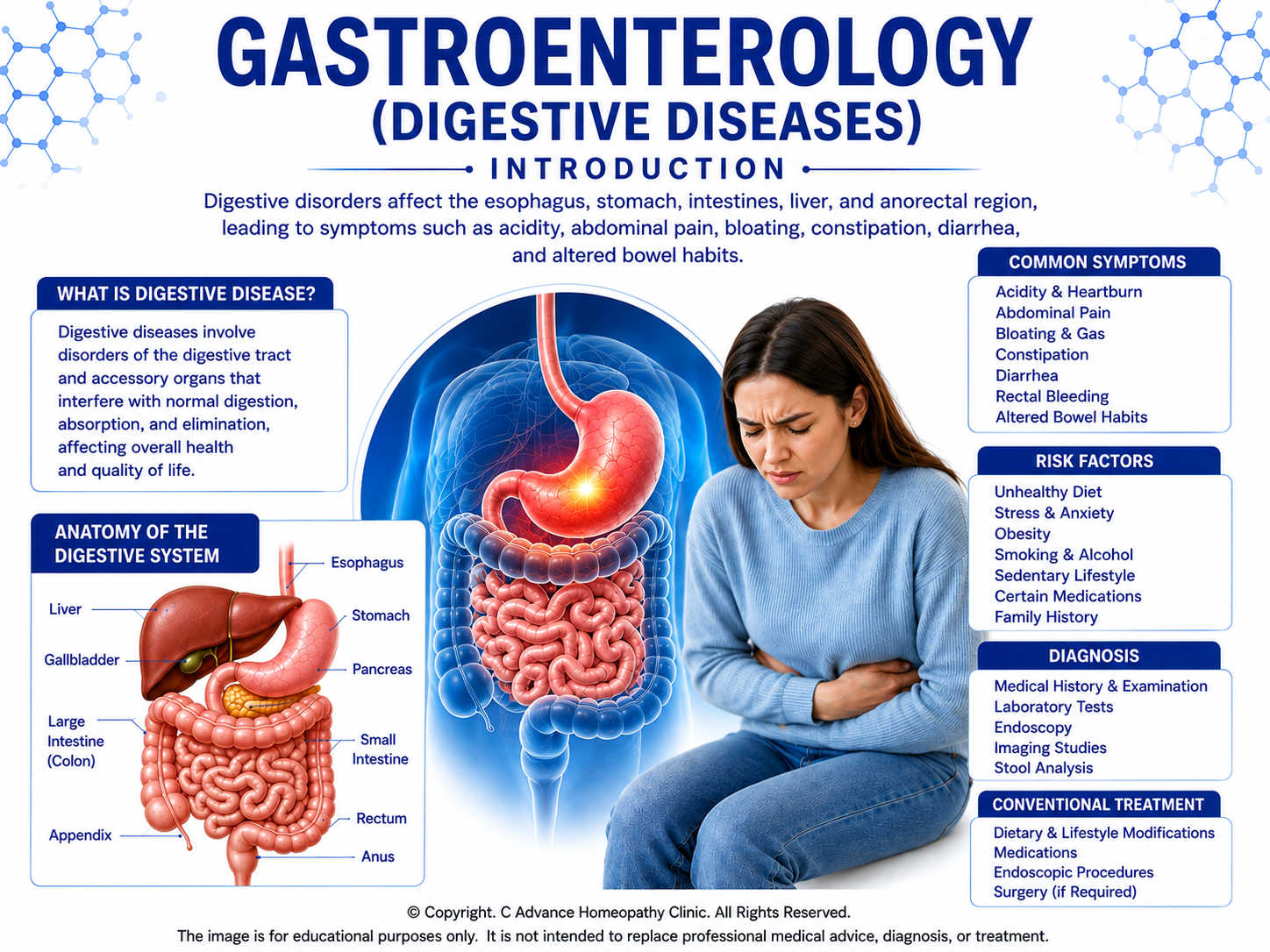
Understanding Digestive Disorders
The digestive system plays an essential role in breaking down food, absorbing nutrients, supporting immunity, and eliminating waste products. Disorders affecting any part of the digestive tract may interfere with these functions and lead to chronic symptoms that significantly affect daily life.
Digestive diseases may result from several underlying mechanisms, including:
- Excess stomach acid production
- Weakness of the lower esophageal sphincter (acid reflux)
- Altered gut motility
- Functional gastrointestinal disorders
- Chronic inflammation
- Autoimmune diseases
- Food intolerances
- Alterations in the gut microbiome
- Genetic susceptibility
- Metabolic disorders
- Lifestyle and dietary factors
Some digestive disorders primarily affect the stomach, while others involve the intestines, liver, or anorectal region. Proper diagnosis is important because management varies considerably depending on the underlying condition.
How Homeopathy May Support Digestive Disorders
Homeopathy is an individualized system of medicine in which treatment is selected according to the patient's unique symptom pattern rather than the diagnosis alone. During consultation, the homeopathic physician evaluates digestive complaints together with constitutional characteristics, medical history, lifestyle, emotional factors, and associated symptoms before selecting an appropriate remedy.
Depending on the individual's presentation, homeopathic treatment may be considered as a complementary approach for patients experiencing:
- Acid reflux and heartburn
- Upper abdominal discomfort
- Bloating and excessive gas
- Nausea and indigestion
- Altered bowel habits
- Chronic constipation
- Recurrent diarrhea
- Abdominal cramps
- Rectal discomfort
- Hemorrhoids
- Anal fissure symptoms
- Functional digestive complaints
Homeopathy complements conventional gastroenterology care and should not replace investigations, medications, dietary management, or surgical treatment whenever these are medically indicated.
1. Gastroesophageal Reflux Disease (GERD)
What is Gastroesophageal Reflux Disease (GERD)?
Gastroesophageal Reflux Disease (GERD) is a chronic digestive disorder in which stomach contents repeatedly flow back into the esophagus due to weakness or inappropriate relaxation of the lower esophageal sphincter (LES). Persistent acid reflux can irritate the lining of the esophagus, causing troublesome symptoms and, in some individuals, complications such as esophagitis, strictures, or Barrett's esophagus if left untreated.
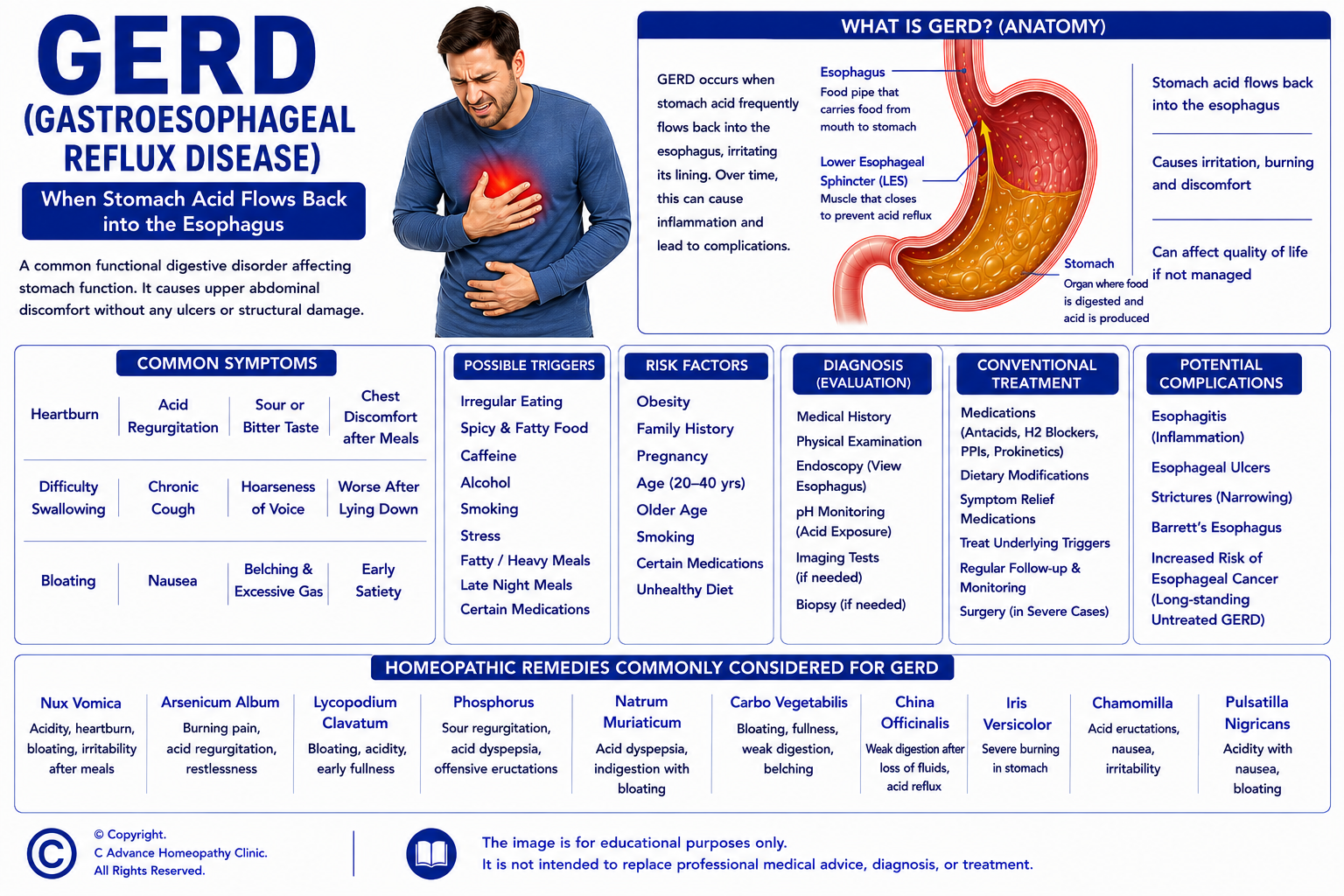
Common Signs & Symptoms
- Heartburn
- Acid regurgitation
- Sour or bitter taste in the mouth
- Chest discomfort after meals
- Difficulty swallowing (in some patients)
- Chronic cough
- Hoarseness of voice
- Frequent throat clearing
- Worsening symptoms after lying down or heavy meals
Risk Factors
- Obesity
- Pregnancy
- Hiatal hernia
- Smoking
- Large or fatty meals
- Alcohol consumption
- Certain medications
- Delayed stomach emptying
Conventional Management
Management depends upon symptom severity and may include:
- Weight management
- Dietary and lifestyle modifications
- Avoiding late-night meals
- Smoking cessation
- Limiting trigger foods
- Proton pump inhibitors (PPIs)
- H2 receptor blockers
- Antacids
- Endoscopic or surgical procedures in selected patients
Homeopathic Medicines Commonly Considered
Some homeopathic medicines that may be considered after an individualized assessment include:
- Robinia Pseudoacacia
- Nux Vomica
- Carbo Vegetabilis
- Lycopodium Clavatum
- Iris Versicolor
- Natrum Phosphoricum
- Pulsatilla Nigricans
- Arsenicum Album
Homeopathic medicines should only be prescribed by a qualified homeopathic physician after an individualized clinical evaluation.
Important: Complementary Care for Gastroesophageal Reflux Disease (GERD)
Gastroesophageal Reflux Disease (GERD) should always be evaluated by a qualified gastroenterologist or appropriately trained healthcare professional to confirm the diagnosis, assess disease severity, identify contributing factors, and exclude other upper gastrointestinal disorders that may produce similar symptoms. Comprehensive evaluation may include clinical assessment, upper gastrointestinal endoscopy (gastroscopy) when indicated, testing for Helicobacter pylori where appropriate, assessment for hiatal hernia, and additional investigations such as ambulatory oesophageal pH monitoring or oesophageal manometry in selected patients. Accurate diagnosis is important because persistent reflux symptoms may occasionally indicate more serious conditions requiring specific treatment.
Patients with mild to moderate Gastroesophageal Reflux Disease (GERD) may be considered for individualized homeopathic treatment as a complementary approach following appropriate gastroenterology evaluation. Homeopathy may be integrated alongside dietary and lifestyle modification, weight management, avoidance of individual trigger foods, smoking cessation where appropriate, prescribed acid-suppressing medications, and regular follow-up with their gastroenterologist or primary care physician. Individualized homeopathic prescribing is based on the patient's complete clinical presentation, constitutional characteristics, associated digestive symptoms, medical history, lifestyle factors, and overall health rather than the diagnosis alone.
Patients should continue all recommended conventional treatment, including dietary modification, weight reduction where appropriate, avoidance of late-night meals, proton pump inhibitors (PPIs), H2 receptor antagonists, antacids when indicated, endoscopic evaluation where recommended, and anti-reflux surgery for carefully selected patients. Homeopathy should not be regarded as a substitute for evidence-based gastroenterology care, particularly in patients with erosive oesophagitis, Barrett's oesophagus, recurrent aspiration, or significant reflux-related complications.
Patients with persistent reflux symptoms despite treatment, difficulty swallowing (dysphagia), painful swallowing (odynophagia), recurrent vomiting, gastrointestinal bleeding, Barrett's oesophagus, oesophageal strictures, unexplained weight loss, iron-deficiency anaemia, or recurrent aspiration should continue specialist gastroenterology care and regular monitoring. Homeopathy should not replace recommended endoscopic surveillance, medical treatment, or surgical intervention when these are advised by the treating gastroenterologist.
Patients who develop vomiting blood, black tarry stools (melena), severe chest pain, progressive difficulty swallowing, persistent vomiting resulting in dehydration, severe abdominal pain, sudden unexplained weight loss, or any sudden deterioration in their general condition should seek immediate medical attention, as these symptoms may indicate upper gastrointestinal bleeding, oesophageal obstruction, perforation, or another serious gastrointestinal condition requiring urgent medical evaluation and treatment.
2. Irritable Bowel Syndrome (IBS)
What is Irritable Bowel Syndrome (IBS)?
Irritable Bowel Syndrome (IBS) is a common functional gastrointestinal disorder characterized by recurrent abdominal pain associated with altered bowel habits, including constipation, diarrhea, or a combination of both. Unlike inflammatory bowel diseases, IBS does not cause structural damage to the intestines, but it can significantly affect quality of life.
The exact cause of IBS remains unclear, but altered gut motility, increased intestinal sensitivity, changes in the gut microbiome, stress, dietary factors, and disturbances in gut-brain communication are believed to contribute.

Common Signs & Symptoms
- Recurrent abdominal pain
- Abdominal bloating
- Excessive gas
- Constipation
- Diarrhea
- Alternating constipation and diarrhea
- Urgency after meals
- Mucus in stool (occasionally)
- Symptoms relieved after bowel movement
Risk Factors
- Female gender
- Family history
- Psychological stress
- Anxiety or depression
- Previous gastrointestinal infection
- Food intolerances
- Altered gut microbiota
Conventional Management
Treatment is individualized and may include:
- Dietary modifications (including low FODMAP diet where appropriate)
- Regular physical activity
- Stress management
- Fibre supplementation (selected patients)
- Antispasmodic medications
- Laxatives or antidiarrheal medications when indicated
- Psychological therapies in selected patients
- Regular medical follow-up
Homeopathic Medicines Commonly Considered
Depending on the individual's symptom pattern, commonly considered homeopathic medicines include:
- Lycopodium Clavatum
- Nux Vomica
- Colocynthis
- Aloe Socotrina
- Argentum Nitricum
- Podophyllum Peltatum
- Carbo Vegetabilis
- Sulphur
Homeopathic medicines should only be prescribed by a qualified homeopathic physician after an individualized clinical evaluation.
Important: Complementary Care for Irritable Bowel Syndrome (IBS)
Irritable Bowel Syndrome (IBS) should always be evaluated by a qualified gastroenterologist or appropriately trained healthcare professional to confirm the diagnosis, assess symptom severity, identify the predominant IBS subtype (IBS with constipation, IBS with diarrhoea, mixed IBS, or unclassified IBS), and exclude other gastrointestinal disorders that may produce similar symptoms. Comprehensive evaluation may include clinical assessment, blood investigations, stool examination where indicated, screening for coeliac disease or inflammatory bowel disease in selected patients, colonoscopy when clinically indicated, and additional investigations based on the patient's age, symptoms, and alarm features. Accurate diagnosis is essential because conditions such as inflammatory bowel disease, colorectal cancer, coeliac disease, lactose intolerance, and microscopic colitis may present with similar symptoms.
Patients with Irritable Bowel Syndrome (IBS) may be considered for individualized homeopathic treatment as a complementary approach following appropriate gastroenterology evaluation. Homeopathy may be integrated alongside dietary modification, including a low FODMAP diet where appropriate, regular physical activity, stress management, psychological therapies when indicated, management of associated anxiety or depression, prescribed medications, and regular follow-up with their gastroenterologist or primary care physician. Individualized homeopathic prescribing is based on the patient's complete clinical presentation, constitutional characteristics, bowel habit pattern, associated digestive symptoms, medical history, lifestyle factors, emotional well-being, and overall health rather than the diagnosis alone.
Patients should continue all recommended conventional treatment, including individualized dietary management, fibre supplementation where appropriate, antispasmodic medications, laxatives or antidiarrhoeal medications when indicated, gut–brain behavioural therapies, psychological support for selected patients, and regular gastroenterology follow-up. Homeopathy should not be regarded as a substitute for evidence-based gastroenterology care, particularly when further investigations or treatment have been recommended.
Patients with persistent symptoms despite appropriate treatment, progressive weight loss, anaemia, rectal bleeding, nocturnal diarrhoea, onset of symptoms after the age of 50 years, a strong family history of colorectal cancer or inflammatory bowel disease, or abnormal investigation findings should continue specialist gastroenterology care and further evaluation. Homeopathy should not replace recommended investigations, colonoscopy, or other evidence-based management when these are advised by the treating gastroenterologist.
Patients who develop persistent rectal bleeding, severe abdominal pain with abdominal distension, persistent vomiting, high fever, unexplained weight loss, black tarry stools (melena), severe dehydration, or any sudden deterioration in their general condition should seek immediate medical attention, as these symptoms may indicate intestinal obstruction, inflammatory bowel disease, gastrointestinal bleeding, colorectal cancer, or another serious gastrointestinal disorder requiring urgent medical evaluation and treatment.
3. Functional Dyspepsia
What is Functional Dyspepsia?
Functional Dyspepsia is a common digestive disorder characterized by persistent or recurrent discomfort or pain in the upper abdomen without any identifiable structural disease on routine investigations such as upper gastrointestinal endoscopy. It is one of the most common causes of chronic indigestion and is classified as a functional gastrointestinal disorder, meaning that digestive symptoms occur despite the absence of visible abnormalities.
The exact cause is not fully understood but is believed to involve abnormal stomach motility, delayed gastric emptying, increased sensitivity of the stomach, disturbances in gut-brain interaction, psychological stress, and, in some individuals, previous gastrointestinal infections.
Although Functional Dyspepsia does not increase the risk of stomach cancer or ulcers, it can significantly affect appetite, daily activities, sleep, and quality of life. Many individuals experience long-term symptoms that fluctuate in severity.
Modern gastroenterology focuses on identifying alarm symptoms, excluding serious underlying diseases, and managing symptoms through lifestyle modifications, dietary changes, medications, and stress management. Many patients also explore complementary therapies while continuing evidence-based medical care.

Common Signs & Symptoms of Functional Dyspepsia
- Upper abdominal discomfort or pain
- Early fullness after starting a meal (early satiety)
- Feeling excessively full after meals
- Upper abdominal bloating
- Nausea
- Belching
- Burning sensation in the upper abdomen
- Poor appetite in some individuals
Risk Factors for Functional Dyspepsia
- Psychological stress
- Anxiety or depression
- Previous gastrointestinal infections
- Delayed stomach emptying
- Smoking
- Certain medications
- Helicobacter pylori infection in some individuals
- Family history of functional gastrointestinal disorders
Conventional Management of Functional Dyspepsia
Treatment depends on the patient's symptoms, associated conditions, and clinical evaluation.
Conventional management commonly includes:
- Dietary modification
- Eating smaller, frequent meals
- Avoiding trigger foods
- Proton pump inhibitors (PPIs)
- Prokinetic medications where indicated
- Eradication therapy for Helicobacter pylori when present
- Stress management
- Psychological therapies for selected patients
- Regular follow-up with the treating physician
Homeopathic Medicines Commonly Considered for Functional Dyspepsia
Some homeopathic medicines that experienced homeopathic physicians may consider as part of an individualized treatment plan include:
- Nux Vomica
- Lycopodium Clavatum
- Pulsatilla Nigricans
- Carbo Vegetabilis
- Anacardium Orientale
- Robinia Pseudoacacia
- Arsenicum Album
- Antimonium Crudum
Homeopathic medicines should only be prescribed by a qualified homeopathic physician after an individualized clinical evaluation.
Important: Complementary Care for Functional Dyspepsia
Functional Dyspepsia should always be evaluated by a qualified gastroenterologist or appropriately trained healthcare professional to confirm the diagnosis, assess symptom severity, identify contributing factors, and exclude structural gastrointestinal diseases that may produce similar symptoms. Comprehensive evaluation may include clinical assessment, upper gastrointestinal endoscopy (gastroscopy) where indicated, testing for Helicobacter pylori, blood investigations, and additional diagnostic studies based on the patient's age, symptoms, and the presence of alarm features. Accurate diagnosis is essential because peptic ulcer disease, gastroesophageal reflux disease (GERD), gastric cancer, pancreatic disorders, gallbladder disease, and other upper gastrointestinal conditions may present with similar symptoms.
Patients with Functional Dyspepsia may be considered for individualized homeopathic treatment as a complementary approach following appropriate gastroenterology evaluation. Homeopathy may be integrated alongside dietary modification, eating smaller and more frequent meals, avoidance of individual trigger foods, stress management, psychological support where appropriate, prescribed medications, eradication therapy for Helicobacter pylori when indicated, and regular follow-up with their gastroenterologist or primary care physician. Individualized homeopathic prescribing is based on the patient's complete clinical presentation, constitutional characteristics, associated digestive symptoms, medical history, lifestyle factors, emotional well-being, and overall health rather than the diagnosis alone.
Patients should continue all recommended conventional treatment, including dietary and lifestyle modification, proton pump inhibitors (PPIs), prokinetic medications where indicated, Helicobacter pylori eradication therapy when appropriate, psychological therapies for selected patients, and regular gastroenterology follow-up. Homeopathy should not be regarded as a substitute for evidence-based gastroenterology care, particularly when further investigations or medical treatment have been recommended.
Patients with persistent symptoms despite appropriate treatment, recurrent vomiting, progressive difficulty swallowing, unexplained weight loss, iron-deficiency anaemia, gastrointestinal bleeding, persistent loss of appetite, onset of symptoms after the age of 55 years, or abnormal investigation findings should continue specialist gastroenterology care and further evaluation. Homeopathy should not replace recommended endoscopy, medical treatment, or additional investigations when these are advised by the treating gastroenterologist.
Patients who develop vomiting blood, black tarry stools (melena), severe persistent abdominal pain, persistent vomiting resulting in dehydration, progressive difficulty swallowing, sudden unexplained weight loss, severe anaemia, or any sudden deterioration in their general condition should seek immediate medical attention, as these symptoms may indicate peptic ulcer complications, upper gastrointestinal bleeding, gastric malignancy, or another serious gastrointestinal disorder requiring urgent medical evaluation and treatment.
4. Chronic Gastritis
What is Chronic Gastritis?
Chronic Gastritis is long-term inflammation of the stomach lining that develops gradually over months or years. The condition may result from Helicobacter pylori infection, prolonged use of non-steroidal anti-inflammatory drugs (NSAIDs), autoimmune disorders, excessive alcohol consumption, bile reflux, or other less common causes. Persistent inflammation can gradually damage the protective lining of the stomach and, in some individuals, lead to complications such as peptic ulcers, vitamin B12 deficiency, or an increased risk of gastric cancer depending on the underlying cause.
Many patients experience recurrent indigestion, upper abdominal discomfort, nausea, or bloating, while others may have few or no symptoms. Diagnosis is often confirmed through upper gastrointestinal endoscopy, biopsy, and testing for Helicobacter pylori.
Modern gastroenterology focuses on identifying the underlying cause, eradicating Helicobacter pylori when present, protecting the stomach lining, and reducing the risk of long-term complications. Many individuals also seek complementary therapies while continuing conventional medical treatment.

Common Signs & Symptoms of Chronic Gastritis
- Upper abdominal pain or discomfort
- Burning sensation in the stomach
- Nausea
- Vomiting
- Feeling full soon after eating
- Abdominal bloating
- Loss of appetite
- Belching
- Indigestion
- Occasionally no symptoms
Risk Factors for Chronic Gastritis
- Helicobacter pylori infection
- Long-term NSAID use
- Excessive alcohol consumption
- Smoking
- Autoimmune gastritis
- Increasing age
- Chronic bile reflux
- Previous stomach surgery
Conventional Management of Chronic Gastritis
Treatment depends on the underlying cause and severity of inflammation.
Conventional management commonly includes:
- Testing and treatment for Helicobacter pylori
- Proton pump inhibitors (PPIs)
- H2 receptor blockers
- Avoidance of NSAIDs when possible
- Limiting alcohol consumption
- Smoking cessation
- Dietary modification
- Vitamin B12 supplementation where indicated
- Endoscopic surveillance for selected high-risk patients
- Regular follow-up with a gastroenterologist
Homeopathic Medicines Commonly Considered for Chronic Gastritis
Some homeopathic medicines that experienced homeopathic physicians may consider as part of an individualized treatment plan include:
- Nux Vomica
- Arsenicum Album
- Lycopodium Clavatum
- Carbo Vegetabilis
- Bismuthum
- Antimonium Crudum
- Robinia Pseudoacacia
- Phosphorus
Homeopathic medicines should only be prescribed by a qualified homeopathic physician after an individualized clinical evaluation.
Important: Complementary Care for Chronic Gastritis
Chronic Gastritis should always be evaluated by a qualified gastroenterologist or appropriately trained healthcare professional to confirm the diagnosis, determine the underlying cause, assess the severity of gastric inflammation, and identify associated complications. Comprehensive evaluation may include clinical assessment, upper gastrointestinal endoscopy (gastroscopy) with biopsy where indicated, testing for Helicobacter pylori, blood investigations including complete blood count and vitamin B12 levels where appropriate, and additional investigations based on the patient's clinical presentation. Accurate diagnosis is important because chronic gastritis may result from several different causes, each requiring specific management.
Patients with Chronic Gastritis may be considered for individualized homeopathic treatment as a complementary approach following appropriate gastroenterology evaluation. Homeopathy may be integrated alongside eradication therapy for Helicobacter pylori when indicated, dietary modification, avoidance of non-steroidal anti-inflammatory drugs (NSAIDs) where possible, limitation of alcohol consumption, smoking cessation, prescribed acid-suppressing medications, nutritional support where appropriate, and regular follow-up with their gastroenterologist or primary care physician. Individualized homeopathic prescribing is based on the patient's complete clinical presentation, constitutional characteristics, associated digestive symptoms, medical history, lifestyle factors, and overall health rather than the diagnosis alone.
Patients should continue all recommended conventional treatment, including Helicobacter pylori eradication therapy where indicated, proton pump inhibitors (PPIs), H2 receptor antagonists, treatment of autoimmune gastritis when appropriate, vitamin B12 supplementation where required, endoscopic surveillance for selected high-risk patients, and regular gastroenterology follow-up. Homeopathy should not be regarded as a substitute for evidence-based gastroenterology care, particularly in patients with gastric ulcers, autoimmune gastritis, intestinal metaplasia, gastric atrophy, or other conditions requiring ongoing specialist management.
Patients with persistent symptoms despite appropriate treatment, recurrent gastrointestinal bleeding, iron-deficiency anaemia, vitamin B12 deficiency, gastric ulcers, intestinal metaplasia, gastric atrophy, dysplasia, unexplained weight loss, or abnormal endoscopic findings should continue specialist gastroenterology care and regular monitoring. Homeopathy should not replace recommended endoscopic surveillance, eradication therapy, nutritional supplementation, or other evidence-based treatment when these are advised by the treating gastroenterologist.
Patients who develop vomiting blood, black tarry stools (melena), severe persistent abdominal pain, persistent vomiting resulting in dehydration, sudden unexplained weight loss, progressive difficulty swallowing, severe anaemia, or any sudden deterioration in their general condition should seek immediate medical attention, as these symptoms may indicate upper gastrointestinal bleeding, peptic ulcer complications, gastric perforation, gastric malignancy, or another serious gastrointestinal disorder requiring urgent medical evaluation and treatment.
5. Ulcerative Colitis
What is Ulcerative Colitis?
Ulcerative Colitis (UC) is a chronic inflammatory bowel disease (IBD) that causes continuous inflammation and ulceration of the inner lining of the large intestine (colon) and rectum. The disease usually begins in the rectum and may gradually extend to involve part or the entire colon. Unlike Crohn's Disease, Ulcerative Colitis affects only the innermost lining of the bowel.
The exact cause remains unknown, but it is believed to result from an abnormal immune response in genetically susceptible individuals, influenced by environmental factors and alterations in the intestinal microbiome. The disease typically follows a relapsing and remitting course, with periods of active symptoms (flare-ups) alternating with periods of remission.
Without appropriate treatment, Ulcerative Colitis may lead to complications such as severe bleeding, dehydration, anemia, toxic megacolon, nutritional deficiencies, and an increased risk of colorectal cancer in patients with long-standing disease.
Modern gastroenterology focuses on controlling intestinal inflammation, maintaining remission, preventing complications, and improving quality of life through evidence-based medical therapy and regular monitoring. Many patients also explore complementary therapies while continuing conventional medical care.

Common Signs & Symptoms of Ulcerative Colitis
- Frequent diarrhea
- Blood in the stool
- Passage of mucus
- Urgency to pass stool
- Abdominal pain or cramping
- Rectal bleeding
- Fatigue
- Weight loss
- Loss of appetite
- Fever during severe flare-ups
Risk Factors for Ulcerative Colitis
- Family history of inflammatory bowel disease
- Genetic susceptibility
- Abnormal immune response
- Altered gut microbiome
- Younger age at onset (although it may occur at any age)
- Certain environmental factors
Conventional Management of Ulcerative Colitis
Treatment aims to control inflammation, induce remission, prevent relapse, and reduce complications.
Conventional management commonly includes:
- Aminosalicylates (5-ASA)
- Corticosteroids during flare-ups
- Immunomodulatory medications
- Biologic therapies
- Small molecule targeted therapies where indicated
- Nutritional assessment and support
- Colonoscopic surveillance
- Surgery (colectomy) for selected patients with severe disease or complications
- Regular follow-up with a gastroenterologist
Homeopathic Medicines Commonly Considered for Ulcerative Colitis
Some homeopathic medicines that experienced homeopathic physicians may consider as part of an individualized treatment plan include:
- Mercurius Corrosivus
- Aloe Socotrina
- Arsenicum Album
- Phosphorus
- Nux Vomica
- Sulphur
- Podophyllum Peltatum
Homeopathic medicines should only be prescribed by a qualified homeopathic physician after an individualized clinical evaluation.
Important: Complementary Care for Ulcerative Colitis
Ulcerative Colitis should always be evaluated by a qualified gastroenterologist or appropriately trained healthcare professional to confirm the diagnosis, determine the extent and severity of colonic inflammation, assess disease activity, identify complications, and develop an individualized long-term treatment plan. Comprehensive evaluation commonly includes blood investigations, stool examination including inflammatory markers where indicated, colonoscopy with biopsy, imaging studies in selected patients, nutritional assessment, and regular monitoring for disease progression and complications. Accurate diagnosis is essential because Ulcerative Colitis shares symptoms with other gastrointestinal disorders, including Crohn's Disease, infectious colitis, ischemic colitis, and colorectal cancer.
Patients with Ulcerative Colitis in remission or with mild, stable disease may be considered for individualized homeopathic treatment as a complementary approach following appropriate gastroenterology evaluation. Homeopathy may be integrated alongside prescribed medications, nutritional counselling, correction of nutritional deficiencies, stress management, psychological support where appropriate, vaccination according to current medical recommendations, and regular follow-up with their gastroenterologist. Individualized homeopathic prescribing is based on the patient's complete clinical presentation, constitutional characteristics, disease pattern, associated symptoms, medical history, lifestyle factors, and overall health rather than the diagnosis alone.
Patients should continue all recommended conventional treatment, including aminosalicylates (5-ASA), corticosteroids during acute flare-ups when indicated, immunomodulatory medications, biologic therapies, targeted small-molecule therapies where appropriate, nutritional support, colonoscopic surveillance, colorectal cancer screening according to established guidelines, and surgical treatment when clinically indicated. Homeopathy should not be regarded as a substitute for evidence-based inflammatory bowel disease management, particularly in patients with moderate to severe disease, acute flare-ups, or significant complications.
Patients with frequent disease relapses, severe colitis, persistent rectal bleeding, significant anaemia, malnutrition, growth impairment in children, toxic megacolon, dysplasia, increased colorectal cancer risk, extraintestinal manifestations, or persistent disease activity despite appropriate treatment should continue specialist gastroenterology care and multidisciplinary management. Homeopathy should not replace recommended immunosuppressive therapy, biologic treatment, surgical intervention, or colonoscopic surveillance when these are advised by the treating gastroenterologist.
Patients who develop profuse bloody diarrhoea, severe abdominal pain with abdominal distension, persistent vomiting, high fever, signs of dehydration, inability to tolerate oral fluids, severe weakness, confusion, or any sudden deterioration in their general condition should seek immediate medical attention, as these symptoms may indicate acute severe ulcerative colitis, toxic megacolon, intestinal perforation, severe gastrointestinal bleeding, or another life-threatening complication requiring urgent hospital treatment.
6. Crohn's Disease
What is Crohn's Disease?
Crohn's Disease is a chronic inflammatory bowel disease (IBD) that can affect any part of the digestive tract, from the mouth to the anus, although it most commonly involves the end of the small intestine (terminal ileum) and the beginning of the colon. Unlike Ulcerative Colitis, Crohn's Disease causes transmural inflammation, meaning the inflammation extends through the full thickness of the intestinal wall. This can lead to complications such as strictures, fistulas, abscesses, and bowel obstruction.
The exact cause is not fully understood, but it is believed to result from a combination of genetic predisposition, immune system dysfunction, environmental influences, and alterations in the gut microbiome. The disease typically follows a relapsing-remitting pattern, with periods of active inflammation followed by remission.
Because Crohn's Disease is a lifelong condition, early diagnosis and appropriate long-term management are essential to reduce disease activity, prevent complications, preserve bowel function, and improve quality of life.
Modern gastroenterology offers effective diagnostic investigations and evidence-based treatments that have significantly improved outcomes for many patients. Some individuals also seek complementary therapies while continuing conventional medical care.
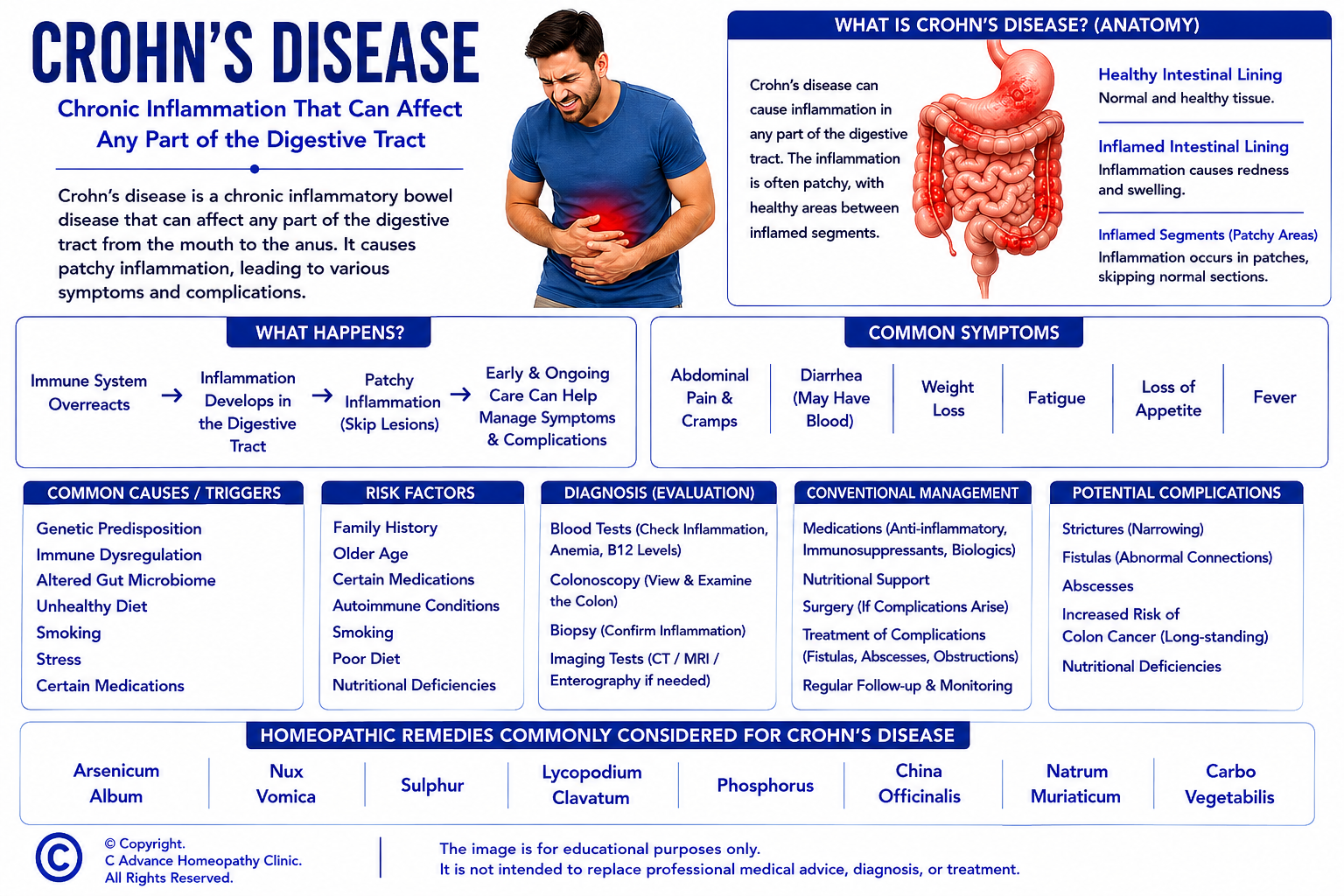
Common Signs & Symptoms of Crohn's Disease
- Chronic diarrhea
- Abdominal pain
- Weight loss
- Fatigue
- Reduced appetite
- Fever during active disease
- Blood in stool (in some patients)
- Mouth ulcers
- Perianal pain or discharge
- Delayed growth in children and adolescents
Risk Factors for Crohn's Disease
- Family history of inflammatory bowel disease
- Genetic susceptibility
- Cigarette smoking
- Immune system dysfunction
- Altered gut microbiome
- Younger age at onset
- Environmental factors
Conventional Management of Crohn's Disease
Treatment is individualized according to disease location, severity, complications, and response to therapy.
Conventional management commonly includes:
- Corticosteroids during flare-ups
- Immunomodulatory medications
- Biologic therapies
- Small molecule targeted therapies where indicated
- Nutritional therapy
- Vitamin and mineral supplementation
- Antibiotics for selected complications
- Endoscopic monitoring
- Surgery for strictures, fistulas, abscesses, or bowel obstruction when indicated
- Regular follow-up with a gastroenterologist
Homeopathic Medicines Commonly Considered for Crohn's Disease
Some homeopathic medicines that experienced homeopathic physicians may consider as part of an individualized treatment plan include:
- Arsenicum Album
- Mercurius Corrosivus
- Phosphorus
- Sulphur
- Aloe Socotrina
- Lycopodium Clavatum
- Nux Vomica
Homeopathic medicines should only be prescribed by a qualified homeopathic physician after an individualized clinical evaluation.
Important: Complementary Care for Crohn's Disease
Crohn's Disease should always be evaluated by a qualified gastroenterologist or appropriately trained healthcare professional to confirm the diagnosis, determine the location and extent of gastrointestinal involvement, assess disease severity and activity, identify complications, and develop an individualized long-term treatment plan. Comprehensive evaluation commonly includes blood investigations, stool examination including inflammatory markers where indicated, ileocolonoscopy with biopsy, cross-sectional imaging such as CT enterography or MR enterography when indicated, nutritional assessment, and regular monitoring for disease progression and complications. Accurate diagnosis is essential because Crohn's Disease shares clinical features with Ulcerative Colitis, infectious enterocolitis, intestinal tuberculosis, coeliac disease, and other gastrointestinal disorders.
Patients with Crohn's Disease in remission or with mild, stable disease may be considered for individualized homeopathic treatment as a complementary approach following appropriate gastroenterology evaluation. Homeopathy may be integrated alongside prescribed medications, nutritional counselling, correction of nutritional deficiencies, smoking cessation where applicable, psychological support, management of associated medical conditions, and regular follow-up with their gastroenterologist. Individualized homeopathic prescribing is based on the patient's complete clinical presentation, constitutional characteristics, disease distribution, associated symptoms, medical history, lifestyle factors, and overall health rather than the diagnosis alone.
Patients should continue all recommended conventional treatment, including corticosteroids for acute flare-ups where indicated, immunomodulatory medications, biologic therapies, targeted small-molecule therapies where appropriate, nutritional therapy, vitamin and mineral supplementation, treatment of infections and fistulas when required, endoscopic monitoring, and surgical intervention for strictures, fistulas, abscesses, or bowel obstruction when clinically indicated. Homeopathy should not be regarded as a substitute for evidence-based inflammatory bowel disease management, particularly in patients with moderate to severe disease or established complications.
Patients with frequent disease relapses, fistulas, abscesses, intestinal strictures, bowel obstruction, severe malnutrition, growth impairment in children, perianal disease, extraintestinal manifestations, persistent inflammation despite appropriate treatment, or recurrent hospital admissions should continue specialist gastroenterology care and multidisciplinary management. Homeopathy should not replace recommended biologic therapy, immunosuppressive treatment, nutritional support, endoscopic monitoring, or surgical intervention when these are advised by the treating gastroenterologist.
Patients who develop severe abdominal pain with abdominal distension, persistent vomiting, inability to pass stool or gas, high fever, severe rectal bleeding, signs of dehydration, severe weakness, confusion, rapidly worsening abdominal symptoms, or any sudden deterioration in their general condition should seek immediate medical attention, as these symptoms may indicate intestinal obstruction, perforation, intra-abdominal abscess, severe Crohn's disease flare, or another life-threatening gastrointestinal complication requiring urgent hospital treatment.
7. Chronic Constipation
What is Chronic Constipation?
Chronic Constipation is a common digestive disorder characterized by infrequent bowel movements, difficulty passing stools, excessive straining, hard or lumpy stools, or a feeling of incomplete bowel evacuation that persists for several weeks or longer. Although bowel habits vary from person to person, constipation is generally considered chronic when symptoms continue for three months or more.
Constipation may result from inadequate dietary fibre intake, insufficient fluid consumption, physical inactivity, medications, hormonal disorders, neurological conditions, pelvic floor dysfunction, or disorders affecting the colon. In many individuals, no structural abnormality is identified, and the condition is classified as functional constipation.
Persistent constipation can significantly affect quality of life and may contribute to complications such as hemorrhoids, anal fissures, rectal prolapse, and fecal impaction. Therefore, persistent symptoms should always be appropriately evaluated, particularly when accompanied by alarm features such as rectal bleeding, unexplained weight loss, anemia, or a sudden change in bowel habits.
Modern gastroenterology focuses on identifying the underlying cause, excluding serious disease, improving bowel habits, and preventing complications through individualized treatment. Many patients also seek complementary therapies while continuing evidence-based medical care.
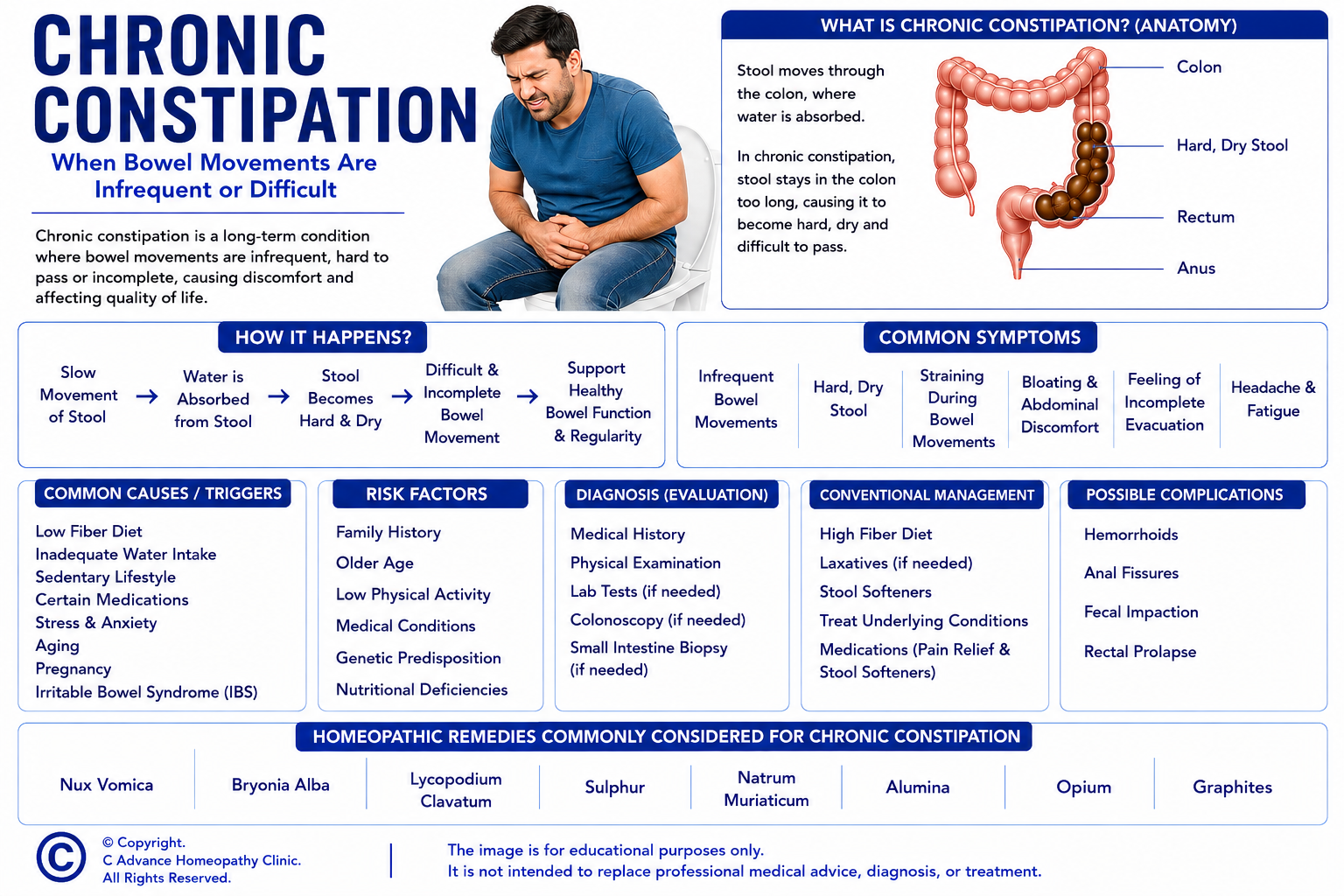
Common Signs & Symptoms of Chronic Constipation
- Infrequent bowel movements
- Hard or lumpy stools
- Excessive straining during bowel movements
- Feeling of incomplete bowel evacuation
- Sensation of blockage during defecation
- Abdominal bloating
- Abdominal discomfort
- Excessive gas
- Need for manual assistance during bowel movements in some individuals
Risk Factors for Chronic Constipation
- Low-fibre diet
- Inadequate fluid intake
- Physical inactivity
- Increasing age
- Pregnancy
- Certain medications (such as opioids, iron supplements, and some antidepressants)
- Neurological disorders
- Hypothyroidism
- Diabetes mellitus
- Pelvic floor dysfunction
Conventional Management of Chronic Constipation
Treatment depends on the underlying cause, symptom severity, and associated medical conditions.
Conventional management commonly includes:
- Increasing dietary fibre intake
- Adequate hydration
- Regular physical activity
- Establishing healthy bowel habits
- Bulk-forming laxatives
- Osmotic or stimulant laxatives when indicated
- Stool softeners for selected patients
- Biofeedback therapy for pelvic floor dysfunction
- Colonoscopy or additional investigations where clinically indicated
- Regular follow-up with the treating physician or gastroenterologist
Homeopathic Medicines Commonly Considered for Chronic Constipation
Some homeopathic medicines that experienced homeopathic physicians may consider as part of an individualized treatment plan include:
- Nux Vomica
- Alumina
- Bryonia Alba
- Opium
- Lycopodium Clavatum
- Silicea
- Hydrastis Canadensis
- Graphites
Homeopathic medicines should only be prescribed by a qualified homeopathic physician after an individualized clinical evaluation.
Important: Complementary Care for Chronic Constipation
Chronic Constipation should always be evaluated by a qualified gastroenterologist or appropriately trained healthcare professional to confirm the diagnosis, identify the underlying cause, assess symptom severity, and exclude structural or systemic disorders requiring specific treatment. Comprehensive evaluation may include clinical assessment, blood investigations, assessment for metabolic or endocrine disorders where indicated, colonoscopy in selected patients, anorectal physiological testing for suspected pelvic floor dysfunction, colonic transit studies when appropriate, and additional investigations based on the patient's age, symptoms, and alarm features. Accurate diagnosis is essential because chronic constipation may result from functional bowel disorders, medications, neurological diseases, endocrine disorders, colorectal disease, or pelvic floor dysfunction.
Patients with Chronic Constipation may be considered for individualized homeopathic treatment as a complementary approach following appropriate gastroenterology evaluation. Homeopathy may be integrated alongside dietary modification, increased fibre intake where appropriate, adequate hydration, regular physical activity, establishment of healthy bowel habits, pelvic floor rehabilitation when indicated, prescribed medications, and regular follow-up with their gastroenterologist or primary care physician. Individualized homeopathic prescribing is based on the patient's complete clinical presentation, constitutional characteristics, bowel habit pattern, associated digestive symptoms, medical history, lifestyle factors, and overall health rather than the diagnosis alone.
Patients should continue all recommended conventional treatment, including dietary and lifestyle modification, fibre supplementation where appropriate, osmotic or stimulant laxatives when indicated, stool softeners, secretagogue medications for selected patients, biofeedback therapy for pelvic floor dysfunction, treatment of underlying endocrine or neurological disorders, colonoscopic evaluation when clinically indicated, and regular gastroenterology follow-up. Homeopathy should not be regarded as a substitute for evidence-based gastroenterology care, particularly when further investigations or treatment have been recommended.
Patients with persistent constipation despite appropriate treatment, rectal bleeding, iron-deficiency anaemia, unexplained weight loss, sudden onset of constipation in older adults, recurrent faecal impaction, significant abdominal distension, suspected pelvic floor dysfunction, or abnormal investigation findings should continue specialist gastroenterology care and further evaluation. Homeopathy should not replace recommended colonoscopy, physiological testing, medical treatment, or surgical intervention when these are advised by the treating gastroenterologist.
Patients who develop severe abdominal pain with marked abdominal distension, persistent vomiting, inability to pass stool or gas, significant rectal bleeding, high fever, severe dehydration, sudden unexplained weight loss, or any sudden deterioration in their general condition should seek immediate medical attention, as these symptoms may indicate intestinal obstruction, colorectal cancer, severe faecal impaction, bowel perforation, or another serious gastrointestinal disorder requiring urgent medical evaluation and treatment.
8. Non-Alcoholic Fatty Liver Disease (NAFLD)
What is Non-Alcoholic Fatty Liver Disease (NAFLD)?
Non-Alcoholic Fatty Liver Disease (NAFLD) is one of the most common chronic liver disorders worldwide. It occurs when excess fat accumulates within liver cells in individuals who consume little or no alcohol. NAFLD is closely associated with obesity, insulin resistance, Type 2 Diabetes Mellitus, prediabetes, abnormal cholesterol levels, metabolic syndrome, and physical inactivity.
Many individuals with NAFLD experience no symptoms and are diagnosed incidentally during routine blood tests or abdominal ultrasound examinations. While simple fatty liver may remain stable for many years, some patients develop a more severe form known as Non-Alcoholic Steatohepatitis (NASH), in which fat accumulation is accompanied by liver inflammation and cellular injury. If left untreated, NASH may progress to liver fibrosis, cirrhosis, liver failure, and, in some individuals, hepatocellular carcinoma (liver cancer).
Modern hepatology focuses on early diagnosis, treatment of metabolic risk factors, weight reduction, and long-term monitoring to reduce disease progression and liver-related complications. Many individuals also seek complementary therapies while continuing conventional medical care.

Common Signs & Symptoms of NAFLD
Many individuals with NAFLD have no noticeable symptoms. When symptoms occur, they may include:
- Fatigue
- Dull discomfort in the right upper abdomen
- Feeling of fullness after meals
- Mild abdominal discomfort
- Enlarged liver detected during examination
- Abnormal liver function tests
- Fatty liver detected on ultrasound
Risk Factors for NAFLD
- Overweight or obesity
- Type 2 Diabetes Mellitus
- Prediabetes
- Insulin resistance
- Metabolic syndrome
- High cholesterol or triglycerides
- Physical inactivity
- Hypertension
- Polycystic Ovarian Metabolic Syndrome (PMOS)
Conventional Management of NAFLD
Treatment focuses on reducing liver fat, improving metabolic health, and preventing disease progression.
Conventional management commonly includes:
- Gradual weight reduction
- Healthy dietary modification
- Regular physical activity
- Management of diabetes and insulin resistance
- Treatment of high cholesterol and hypertension
- Avoidance of excessive alcohol consumption
- Periodic liver function tests
- Liver ultrasound or FibroScan® where indicated
- Regular follow-up with a gastroenterologist, hepatologist, or primary care physician
Homeopathic Medicines Commonly Considered for NAFLD
Some homeopathic medicines that experienced homeopathic physicians may consider as part of an individualized treatment plan include:
- Chelidonium Majus
- Lycopodium Clavatum
- Carduus Marianus
- Nux Vomica
- Phosphorus
- China Officinalis
- Sulphur
- Natrum Sulphuricum
Homeopathic medicines should only be prescribed by a qualified homeopathic physician after an individualized clinical evaluation.
Important: Complementary Care for Non-Alcoholic Fatty Liver Disease (NAFLD)
Non-Alcoholic Fatty Liver Disease (NAFLD) should always be evaluated by a qualified gastroenterologist, hepatologist, endocrinologist, or appropriately trained healthcare professional to confirm the diagnosis, determine the severity of liver involvement, assess the presence of liver fibrosis, identify associated metabolic disorders, and develop an individualized management plan. Comprehensive evaluation commonly includes liver function tests, abdominal ultrasound, non-invasive assessment of liver fibrosis such as FibroScan® or validated fibrosis scoring systems where indicated, assessment for Type 2 Diabetes Mellitus, lipid profile, body mass index (BMI), and additional investigations to exclude other causes of chronic liver disease. Regular monitoring is essential because disease progression is often silent.
Patients with Non-Alcoholic Fatty Liver Disease (NAFLD) may be considered for individualized homeopathic treatment as a complementary approach following appropriate medical evaluation. Homeopathy may be integrated alongside structured weight-management programmes, healthy dietary modification, regular physical activity, management of Type 2 Diabetes Mellitus, hypertension and dyslipidaemia, nutritional counselling, lifestyle modification, and regular follow-up with their gastroenterologist, hepatologist, or primary care physician. Individualized homeopathic prescribing is based on the patient's complete clinical presentation, constitutional characteristics, metabolic profile, associated medical conditions, lifestyle factors, and overall health rather than the diagnosis alone.
Patients should continue all recommended conventional treatment, including gradual weight reduction, individualized dietary management, regular exercise, treatment of obesity, diabetes, dyslipidaemia and hypertension, periodic liver function tests, liver fibrosis assessment, imaging studies where indicated, and regular hepatology follow-up. Homeopathy should not be regarded as a substitute for evidence-based management, particularly in patients with Non-Alcoholic Steatohepatitis (NASH), advanced fibrosis, cirrhosis, or other significant liver disease.
Patients with progressive liver fibrosis, cirrhosis, persistently abnormal liver function tests, portal hypertension, suspected hepatocellular carcinoma, severe obesity, poorly controlled diabetes, or persistent disease progression despite appropriate treatment should continue specialist hepatology care and multidisciplinary management. Homeopathy should not replace recommended investigations, surveillance programmes, pharmacological treatment, or referral for liver transplantation assessment when these are advised by the treating specialist.
Patients who develop yellow discoloration of the skin or eyes (jaundice), vomiting blood, black tarry stools (melena), increasing abdominal swelling (ascites), confusion, severe abdominal pain, persistent vomiting, marked swelling of the legs, reduced level of consciousness, or any sudden deterioration in their general condition should seek immediate medical attention, as these symptoms may indicate advanced liver disease, gastrointestinal bleeding, hepatic encephalopathy, acute liver decompensation, or another life-threatening complication requiring urgent hospital treatment.
9. Hemorrhoids
What are Hemorrhoids?
Hemorrhoids (also known as piles) are enlarged and swollen veins located in the lower rectum and anus. They are one of the most common anorectal conditions and may occur internally (inside the rectum) or externally (under the skin around the anus). Hemorrhoids develop when increased pressure causes the veins in the anorectal region to become dilated.
Common contributing factors include chronic constipation, prolonged straining during bowel movements, pregnancy, obesity, prolonged sitting, low-fibre diets, and increasing age. Although hemorrhoids are generally not life-threatening, they can cause significant discomfort and interfere with daily activities.
Many individuals experience intermittent symptoms that improve with conservative treatment, while others may require office-based procedures or surgery depending on the severity of the disease.
Modern proctology focuses on relieving symptoms, preventing recurrence, and treating complications through dietary modification, medications, minimally invasive procedures, or surgery when indicated. Many individuals also seek complementary therapies while continuing conventional medical care.

Common Signs & Symptoms of Hemorrhoids
- Bright red bleeding during bowel movements
- Anal pain or discomfort
- Itching around the anus
- Swelling around the anal opening
- Feeling of a lump near the anus
- Mucus discharge
- Pain during sitting
- Prolapse of internal hemorrhoids during bowel movements in advanced cases
Risk Factors for Hemorrhoids
- Chronic constipation
- Chronic diarrhea
- Excessive straining during bowel movements
- Pregnancy
- Obesity
- Low-fibre diet
- Prolonged sitting
- Heavy lifting
- Increasing age
Conventional Management of Hemorrhoids
Treatment depends on the severity of symptoms and the grade of hemorrhoids.
Conventional management commonly includes:
- High-fibre diet
- Adequate fluid intake
- Stool softeners where indicated
- Sitz baths
- Topical creams or suppositories
- Avoiding prolonged straining
- Rubber band ligation
- Sclerotherapy
- Infrared coagulation
- Hemorrhoidectomy or stapled hemorrhoidopexy for selected patients
- Regular follow-up with a colorectal surgeon or gastroenterologist
Homeopathic Medicines Commonly Considered for Hemorrhoids
Some homeopathic medicines that experienced homeopathic physicians may consider as part of an individualized treatment plan include:
- Aesculus Hippocastanum
- Hamamelis Virginiana
- Aloe Socotrina
- Nux Vomica
- Ratanhia
- Collinsonia Canadensis
- Sulphur
- Paeonia Officinalis
Homeopathic medicines should only be prescribed by a qualified homeopathic physician after an individualized clinical evaluation.
Important: Complementary Care for Hemorrhoids
Hemorrhoids should always be evaluated by a qualified gastroenterologist, colorectal surgeon, or appropriately trained healthcare professional to confirm the diagnosis, determine the severity and grade of the hemorrhoids, identify contributing factors, and exclude other anorectal or colorectal conditions that may produce similar symptoms. Comprehensive evaluation commonly includes clinical examination, digital rectal examination, anoscopy or proctoscopy where indicated, and colonoscopy in selected patients, particularly those with persistent rectal bleeding, anaemia, altered bowel habits, or other alarm features. Accurate diagnosis is essential because rectal bleeding may also result from anal fissures, colorectal polyps, inflammatory bowel disease, diverticular disease, or colorectal cancer.
Patients with Grade I or Grade II hemorrhoids, or mild stable symptoms, may be considered for individualized homeopathic treatment as a complementary approach following appropriate medical evaluation. Homeopathy may be integrated alongside dietary modification, increased fibre intake, adequate hydration, healthy bowel habits, avoidance of prolonged straining, prescribed topical medications, stool softeners where appropriate, and regular follow-up with their treating physician. Individualized homeopathic prescribing is based on the patient's complete clinical presentation, constitutional characteristics, bowel habits, associated digestive symptoms, medical history, lifestyle factors, and overall health rather than the diagnosis alone.
Patients should continue all recommended conventional treatment, including dietary and lifestyle modification, fibre supplementation, adequate fluid intake, stool softeners where indicated, topical medications, office-based procedures such as rubber band ligation, sclerotherapy or infrared coagulation for selected patients, and surgical treatment including hemorrhoidectomy or stapled hemorrhoidopexy when clinically indicated. Homeopathy should not be regarded as a substitute for evidence-based colorectal care, particularly in patients with advanced hemorrhoids, recurrent bleeding, thrombosed hemorrhoids, or complications requiring procedural or surgical management.
Patients with Grade III or Grade IV hemorrhoids, recurrent or significant rectal bleeding, iron-deficiency anaemia, thrombosed external hemorrhoids, prolapsed hemorrhoids that cannot be reduced, persistent symptoms despite appropriate treatment, or abnormal findings on clinical evaluation should continue specialist colorectal care and regular follow-up. Homeopathy should not replace recommended office-based procedures, surgical intervention, colonoscopic evaluation, or other evidence-based treatment when these are advised by the treating specialist.
Patients who develop heavy rectal bleeding, severe anal pain with rapidly increasing swelling, fever associated with anorectal pain, black tarry stools (melena), unexplained weight loss, persistent changes in bowel habits, severe dizziness or fainting, or any sudden deterioration in their general condition should seek immediate medical attention, as these symptoms may indicate significant gastrointestinal bleeding, thrombosed hemorrhoids, anorectal infection, colorectal cancer, or another serious gastrointestinal disorder requiring urgent medical evaluation and treatment.
10. Anal Fissure
What is an Anal Fissure?
An Anal Fissure is a small tear or ulcer in the lining of the anal canal that commonly causes severe pain during and after bowel movements. It frequently develops following the passage of hard stools or prolonged constipation but may also occur due to chronic diarrhea, childbirth, inflammatory bowel disease, or trauma to the anal canal.
Anal fissures are classified as acute when present for less than six weeks and chronic when they persist longer or develop features such as a sentinel skin tag or exposed internal sphincter muscle. Pain often causes patients to avoid bowel movements, creating a cycle of constipation, further trauma, and delayed healing.
Most acute fissures heal with conservative treatment, while chronic fissures may require prescription medications or surgical intervention.
Modern colorectal care aims to relieve pain, promote healing, reduce sphincter spasm, and prevent recurrence through evidence-based treatment.
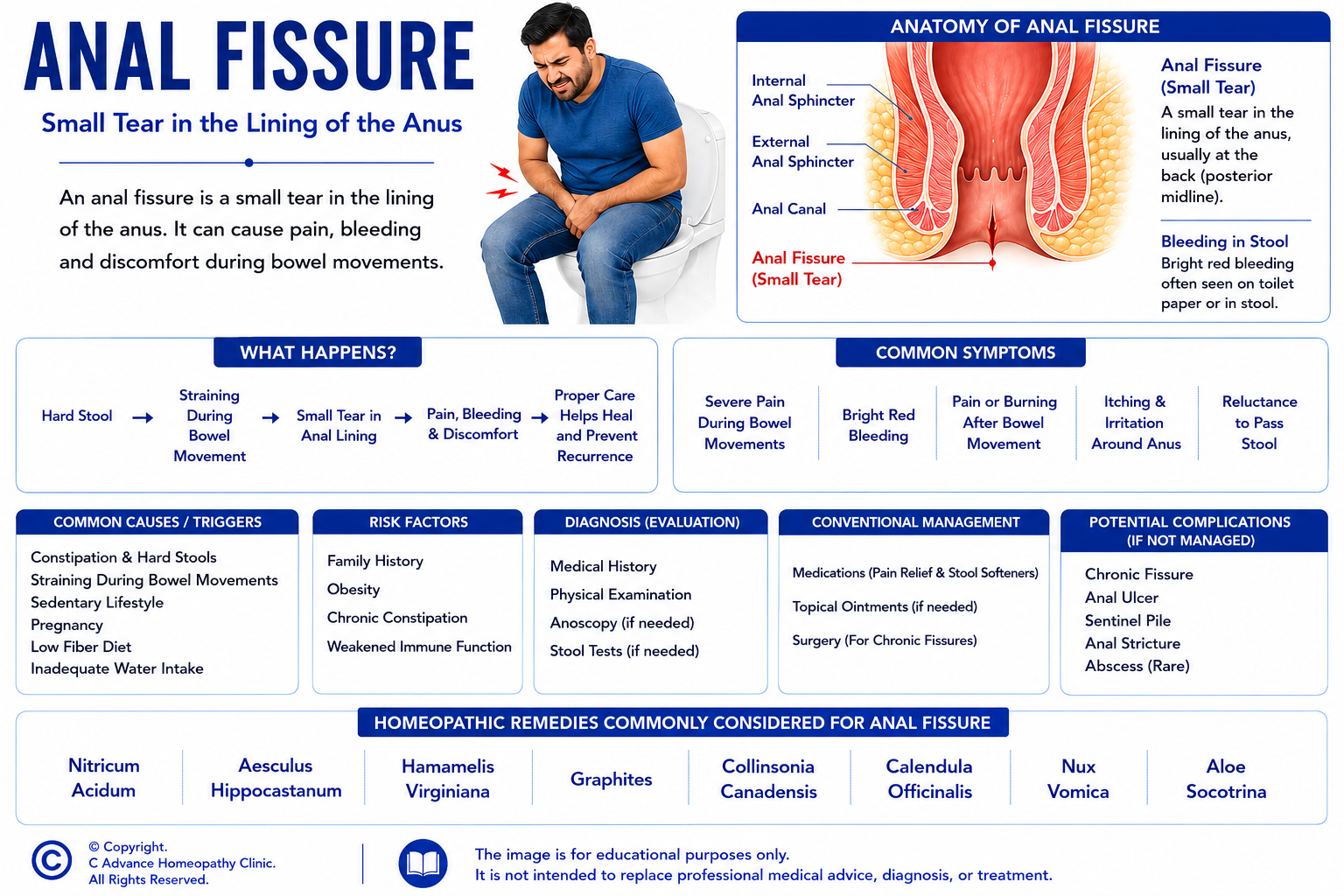
Common Signs & Symptoms of Anal Fissure
- Sharp pain during bowel movements
- Pain that continues for several hours after passing stool
- Bright red bleeding on toilet paper or stool
- Burning sensation in the anal region
- Visible tear near the anal opening
- Fear of bowel movements due to pain
- Constipation secondary to painful defecation
Risk Factors for Anal Fissure
- Chronic constipation
- Passage of hard stools
- Chronic diarrhea
- Childbirth
- Inflammatory bowel disease
- Low-fibre diet
- Repeated straining during bowel movements
Conventional Management of Anal Fissure
Treatment focuses on relieving pain, promoting healing, and preventing recurrence.
Conventional management commonly includes:
- High-fibre diet
- Adequate hydration
- Stool softeners
- Sitz baths
- Topical anaesthetic preparations
- Topical nitroglycerin or calcium channel blockers
- Botulinum toxin injection for selected patients
- Lateral internal sphincterotomy for chronic fissures that fail conservative treatment
- Regular follow-up with a colorectal surgeon
Homeopathic Medicines Commonly Considered for Anal Fissure
Some homeopathic medicines that experienced homeopathic physicians may consider as part of an individualized treatment plan include:
- Ratanhia
- Nitric Acid
- Graphites
- Paeonia Officinalis
- Aesculus Hippocastanum
- Sulphur
- Nux Vomica
- Thuja Occidentalis
Homeopathic medicines should only be prescribed by a qualified homeopathic physician after an individualized clinical evaluation.
Important: Complementary Care for Anal Fissure
Anal Fissure should always be evaluated by a qualified gastroenterologist, colorectal surgeon, or appropriately trained healthcare professional to confirm the diagnosis, determine whether the fissure is acute or chronic, identify contributing factors, and exclude other anorectal disorders that may produce similar symptoms. Comprehensive evaluation commonly includes clinical examination, careful inspection of the anal canal, digital rectal examination when appropriate, and additional investigations such as anoscopy, proctoscopy, or colonoscopy in selected patients, particularly when symptoms are atypical or associated with alarm features. Accurate diagnosis is important because persistent or recurrent anal fissures may occasionally be associated with Crohn's Disease, chronic infection, inflammatory bowel disease, or anal malignancy.
Patients with acute or uncomplicated chronic anal fissures may be considered for individualized homeopathic treatment as a complementary approach following appropriate medical evaluation. Homeopathy may be integrated alongside dietary modification, increased fibre intake, adequate hydration, stool softeners where indicated, warm sitz baths, avoidance of straining during defecation, prescribed topical medications, and regular follow-up with their treating physician. Individualized homeopathic prescribing is based on the patient's complete clinical presentation, constitutional characteristics, bowel habits, associated digestive symptoms, medical history, lifestyle factors, and overall health rather than the diagnosis alone.
Patients should continue all recommended conventional treatment, including dietary and lifestyle modification, fibre supplementation, adequate fluid intake, stool softeners where appropriate, topical vasodilator therapy such as glyceryl trinitrate or calcium channel blockers when indicated, botulinum toxin injection for selected patients, and lateral internal sphincterotomy or other surgical procedures when clinically indicated. Homeopathy should not be regarded as a substitute for evidence-based colorectal care, particularly in patients with chronic fissures, persistent symptoms, or complications requiring procedural or surgical treatment.
Patients with persistent anal pain despite appropriate treatment, recurrent fissures, chronic fissures lasting several weeks, recurrent bleeding, fissures associated with Crohn's Disease or other inflammatory bowel diseases, significant sphincter spasm, suspected anal infection, or abnormal clinical findings should continue specialist colorectal care and regular follow-up. Homeopathy should not replace recommended medical therapy, further investigations, botulinum toxin treatment, or surgical intervention when these are advised by the treating specialist.
Patients who develop severe anal pain with fever, rapidly increasing swelling around the anus, heavy rectal bleeding, inability to pass stool due to severe pain, persistent purulent discharge, unexplained weight loss, or any sudden deterioration in their general condition should seek immediate medical attention, as these symptoms may indicate anorectal abscess, fistula, severe infection, inflammatory bowel disease, anal malignancy, or another serious anorectal condition requiring urgent medical evaluation and treatment.
11. Celiac Disease
What is Celiac Disease?
Celiac Disease is a chronic autoimmune disorder in which the immune system reacts abnormally to gluten, a protein found in wheat, barley, and rye. In genetically susceptible individuals, gluten exposure triggers an immune response that damages the villi of the small intestine, reducing the body's ability to absorb nutrients effectively.
Celiac Disease may develop at any age and presents with a wide range of gastrointestinal and non-gastrointestinal symptoms. Some individuals experience chronic diarrhea, abdominal pain, bloating, and weight loss, while others present primarily with anemia, osteoporosis, infertility, neurological symptoms, or unexplained fatigue. Because symptoms vary considerably, diagnosis may sometimes be delayed.
Untreated Celiac Disease can lead to malnutrition, vitamin and mineral deficiencies, osteoporosis, infertility, impaired growth in children, and an increased risk of certain intestinal malignancies. Diagnosis is based on serological blood tests together with confirmation by small intestinal biopsy in appropriate clinical settings.
The cornerstone of treatment is lifelong strict adherence to a gluten-free diet, which allows the intestinal lining to heal and helps prevent long-term complications. Many individuals also explore complementary therapies while continuing evidence-based medical care.
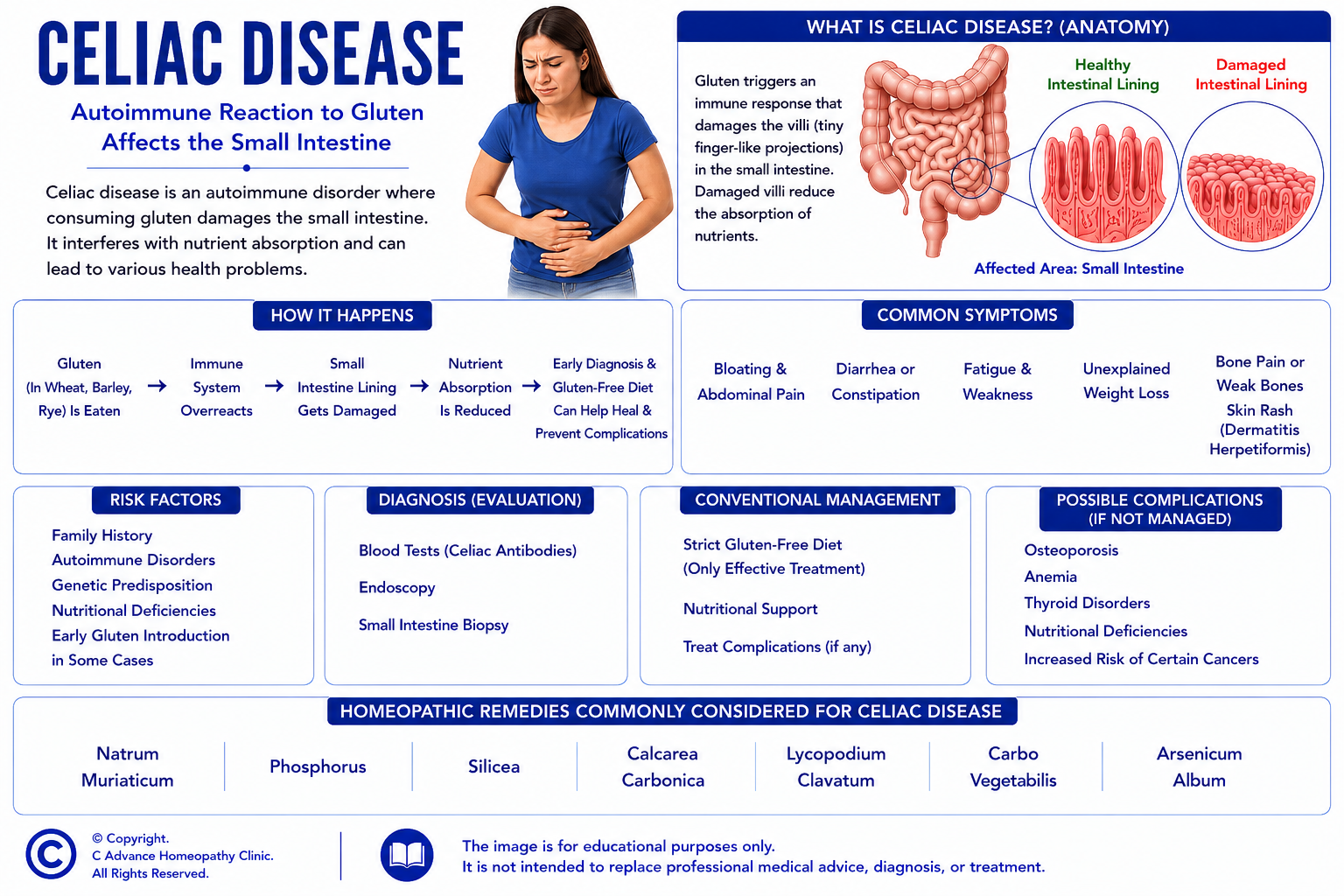
Common Signs & Symptoms of Celiac Disease
- Chronic diarrhea
- Abdominal bloating
- Abdominal pain
- Excessive gas
- Weight loss
- Fatigue
- Iron deficiency anemia
- Nutritional deficiencies
- Delayed growth in children
- Skin rash (Dermatitis Herpetiformis) in some patients
Risk Factors for Celiac Disease
- Family history of Celiac Disease
- Type 1 Diabetes Mellitus
- Autoimmune thyroid disease
- Down syndrome
- Turner syndrome
- Selective IgA deficiency
- Other autoimmune disorders
Conventional Management of Celiac Disease
Treatment focuses on eliminating gluten exposure and correcting nutritional deficiencies.
Conventional management commonly includes:
- Lifelong strict gluten-free diet
- Consultation with a registered dietitian
- Nutritional assessment
- Vitamin and mineral supplementation where indicated
- Monitoring for nutritional deficiencies
- Periodic serological testing
- Bone health assessment in selected patients
- Regular follow-up with a gastroenterologist
Homeopathic Medicines Commonly Considered for Celiac Disease
Some homeopathic medicines that experienced homeopathic physicians may consider as part of an individualized treatment plan include:
- Lycopodium Clavatum
- Arsenicum Album
- China Officinalis
- Nux Vomica
- Sulphur
- Calcarea Carbonica
- Natrum Phosphoricum
- Podophyllum Peltatum
Homeopathic medicines should only be prescribed by a qualified homeopathic physician after an individualized clinical evaluation.
Important: Complementary Care for Celiac Disease
Celiac Disease should always be evaluated by a qualified gastroenterologist or appropriately trained healthcare professional to confirm the diagnosis, assess the severity of intestinal involvement, identify nutritional deficiencies, and evaluate for associated autoimmune disorders and long-term complications. Comprehensive evaluation commonly includes celiac serology, upper gastrointestinal endoscopy with small intestinal biopsy where indicated, assessment of nutritional status, blood investigations including iron, vitamin B12, folate, vitamin D, calcium and other micronutrients where appropriate, bone mineral density assessment in selected patients, and regular follow-up to monitor dietary adherence and clinical recovery. Accurate diagnosis is essential because several gastrointestinal disorders, including irritable bowel syndrome, inflammatory bowel disease, lactose intolerance, and non-celiac gluten sensitivity, may present with similar symptoms.
Patients with well-controlled Celiac Disease may be considered for individualized homeopathic treatment as a complementary approach following appropriate gastroenterology evaluation. Homeopathy may be integrated alongside lifelong adherence to a strict gluten-free diet, nutritional counselling by an experienced dietitian, correction of vitamin and mineral deficiencies, management of associated autoimmune conditions where present, regular monitoring of nutritional status, and ongoing follow-up with their gastroenterologist or primary care physician. Individualized homeopathic prescribing is based on the patient's complete clinical presentation, constitutional characteristics, associated digestive and systemic symptoms, medical history, lifestyle factors, and overall health rather than the diagnosis alone.
Patients should continue all recommended conventional treatment, including lifelong strict gluten-free dietary management, regular review by a gastroenterologist and dietitian, periodic celiac serology where appropriate, nutritional supplementation when required, monitoring for associated autoimmune diseases, assessment of bone health, and evaluation for persistent or recurrent symptoms. Homeopathy should not be regarded as a substitute for a strict gluten-free diet or evidence-based gastroenterology care, as continued gluten exposure may result in ongoing intestinal damage and long-term complications.
Patients with persistent symptoms despite adherence to a gluten-free diet, unexplained weight loss, severe malnutrition, refractory Celiac Disease, recurrent nutritional deficiencies, osteoporosis, persistent anaemia, abnormal follow-up investigations, or suspected complications should continue specialist gastroenterology care and further evaluation. Homeopathy should not replace recommended dietary management, nutritional supplementation, endoscopic assessment, or other evidence-based treatment when these are advised by the treating gastroenterologist.
Patients who develop severe dehydration due to persistent diarrhoea, severe abdominal pain, persistent vomiting, significant gastrointestinal bleeding, rapidly progressive weight loss, severe weakness, intestinal obstruction, or any sudden deterioration in their general condition should seek immediate medical attention, as these symptoms may indicate refractory Celiac Disease, intestinal lymphoma, bowel perforation, severe malabsorption, or another serious gastrointestinal complication requiring urgent medical evaluation and treatment.
A Note About Homeopathic Medicines
The homeopathic medicines listed throughout this page are among the remedies that experienced homeopathic physicians may consider while providing individualized care for patients with digestive disorders. Homeopathic treatment is highly individualized, and the selection of a medicine is never based solely on the diagnosis.
Before recommending a homeopathic medicine, our doctors carefully evaluate several important factors, including:
- The patient's confirmed diagnosis
- Presenting digestive symptoms and their severity
- Duration and progression of symptoms
- Previous medical and surgical treatment
- Endoscopy, colonoscopy, imaging, and laboratory investigation findings
- Current medications
- Dietary habits and nutritional status
- Medical history
- Lifestyle factors
- Emotional and psychological well-being
- General physical health
- Individual constitutional characteristics
The most appropriate homeopathic medicine for one patient may differ from that selected for another individual with the same digestive disorder. For this reason, homeopathic medicines should always be prescribed following a comprehensive consultation with a qualified homeopathic doctor and used only as part of an individualized treatment plan.
Our Homeopathic Approach to Digestive Disorders
At Advance Homeopathy Clinic Dubai, we believe that every patient deserves individualized, comprehensive, and evidence-informed care. Our goal is not to replace conventional gastroenterology treatment but to provide personalized homeopathic care that complements the treatment plan recommended by your gastroenterologist or primary care physician.
During your consultation, our homeopathic doctors perform a detailed assessment that may include:
- Confirmed medical diagnosis
- Presenting symptoms and their progression
- Previous medical and surgical treatment
- Endoscopy and colonoscopy reports where available
- Blood tests, stool investigations, imaging studies, and biopsy reports where indicated
- Current medications
- Past medical history
- Family history
- Dietary and lifestyle assessment
- Individual constitutional assessment
This comprehensive evaluation allows us to develop an individualized homeopathic treatment plan based on each patient's unique clinical presentation.
Depending on the individual's condition, homeopathic treatment may be considered as part of a complementary care plan for patients experiencing symptoms such as:
- Acid reflux and heartburn
- Upper abdominal discomfort
- Indigestion
- Abdominal bloating
- Excessive gas
- Nausea
- Chronic constipation
- Recurrent diarrhea
- Abdominal cramps
- Rectal discomfort
- Hemorrhoids
- Anal fissure symptoms
- Functional digestive complaints
- General digestive well-being
Every treatment plan is individualized according to the patient's diagnosis, symptom profile, conventional medical treatment, treatment goals, and overall health. Homeopathy is offered as a complementary therapy alongside evidence-based gastroenterology care.
Why Choose Advance Homeopathy Clinic Dubai?
Patients from Dubai, across the UAE, and from more than 20 countries representing over 100 nationalities have trusted Advance Homeopathy Clinic Dubai for individualized homeopathic care.
Why Patients Choose Us
- More than 35 years of clinical experience under the leadership of Dr. Aalim Dhandhukia
- Dubai Health Authority (DHA) licensed clinic and homeopathic doctors
- Individualized homeopathic treatment tailored to each patient's unique needs
- Comprehensive medical evaluation before recommending treatment
- Homeopathy provided as a complementary therapy alongside conventional gastroenterology care
- Evidence-based, ethical, and patient-centred clinical practice
- In-clinic and online consultations for patients in Dubai, across the UAE, and internationally
- Free First Consultation to help you understand whether homeopathy may play an appropriate complementary role in your treatment plan
Frequently Asked Questions About Digestive Disorders
Can homeopathy cure digestive disorders?
No. Homeopathy should not be considered a cure for digestive disorders and should never replace evidence-based medical care. Patients should continue all recommended investigations, prescription medications, dietary management, endoscopic surveillance, and surgical treatment whenever advised by their gastroenterologist or primary care physician. At Advance Homeopathy Clinic Dubai, homeopathy is offered only as a complementary therapy alongside conventional medical care.
Can I continue my prescribed medicines while receiving homeopathic treatment?
Yes. Most patients continue their prescribed medications while receiving individualized homeopathic treatment. Any decision regarding modification or discontinuation of conventional treatment should always be made by the treating gastroenterologist or primary care physician.
Can homeopathy help patients with chronic digestive disorders?
Many patients choose individualized homeopathic treatment as part of a comprehensive management plan for chronic digestive disorders such as GERD, Irritable Bowel Syndrome, Chronic Gastritis, Inflammatory Bowel Disease, Chronic Constipation, and Fatty Liver Disease. Depending on the individual's clinical condition, homeopathy may be considered as a complementary therapy while conventional medical care continues. Responses to treatment vary from person to person.
Will I need investigations before starting homeopathic treatment?
Not every patient requires additional investigations. However, depending on your symptoms and previous medical history, we may advise that you undergo appropriate investigations such as blood tests, stool examinations, endoscopy, colonoscopy, abdominal ultrasound, or other imaging studies before or during treatment. These investigations help establish an accurate diagnosis and ensure that serious underlying conditions are not overlooked.
Are homeopathic medicines safe?
Homeopathic medicines should always be prescribed by a qualified homeopathic doctor following a comprehensive clinical assessment. At Advance Homeopathy Clinic Dubai, every patient's case is carefully evaluated before an individualized treatment plan is recommended.
Are online consultations available?
Yes. We provide both in-clinic and online consultations for patients in Dubai, across the UAE, and internationally, allowing patients to receive individualized homeopathic guidance regardless of their location.
Our Commitment to Evidence-Based Digestive Care
At Advance Homeopathy Clinic Dubai, patient safety, ethical medical practice, and evidence-informed healthcare remain our highest priorities.
We firmly believe that every patient with a digestive disorder should receive timely diagnosis and appropriate treatment under the care of a qualified gastroenterologist or primary care physician.
We strongly encourage patients to continue all investigations and treatments recommended by their treating physician, which may include:
- Blood investigations
- Stool examinations
- Endoscopy (Gastroscopy)
- Colonoscopy
- Abdominal ultrasound, CT scan, or MRI when indicated
- Liver function tests
- Biopsy where clinically indicated
- Dietary and nutritional counselling
- Lifestyle modification
- Prescription medications
- Biologic therapy where indicated
- Surgical treatment when medically necessary
- Regular gastroenterology follow-up
Our role is to provide individualized homeopathic care that complements conventional gastroenterology management. Depending on each patient's individual needs, homeopathy may be considered to help support symptom management and improve overall quality of life.
We do not advise patients to delay, discontinue, or refuse conventional medical treatment in favour of homeopathy. All decisions regarding digestive healthcare should remain under the guidance of the treating gastroenterologist or primary care physician.
We believe that the best patient outcomes are achieved through collaboration, where complementary homeopathic care is integrated responsibly alongside modern evidence-based medicine.
Research in Homeopathy and Gastroenterology
Research Overview
Homeopathy has been investigated as a complementary approach in the management of a variety of chronic gastrointestinal disorders, particularly conditions characterised by long-term symptoms, recurrent disease activity, or significant impact on quality of life. Published research has evaluated individualized homeopathic treatment in disorders including Irritable Bowel Syndrome (IBS), Functional Dyspepsia, Gastroesophageal Reflux Disease (GERD), Chronic Gastritis, Ulcerative Colitis, Crohn's Disease, Chronic Constipation, Non-Alcoholic Fatty Liver Disease (NAFLD), Hemorrhoids, and other chronic gastrointestinal conditions. Reported outcome measures have included symptom severity, quality of life, bowel function, disease activity, medication use, patient satisfaction, and overall clinical improvement.
The available scientific literature includes observational studies, pragmatic clinical studies, randomized controlled trials, systematic reviews, and narrative reviews. Among gastrointestinal disorders, Irritable Bowel Syndrome (IBS) has received the greatest research attention because of its chronic functional nature and the individualized management required. Comparatively fewer published studies are available for inflammatory bowel diseases, chronic liver disorders, anorectal disorders, and other gastrointestinal conditions.
Because individualized homeopathic prescribing is based on each patient's unique clinical presentation, constitutional characteristics, associated symptoms, disease pattern, medical history, lifestyle factors, and overall health rather than the diagnosis alone, evaluating its effectiveness using conventional randomized clinical trial methodology presents important challenges. Consequently, the available evidence should be interpreted with an understanding of both its strengths and its limitations.
Current State of Research
Published research in gastroenterology includes observational studies, pragmatic clinical studies, randomized controlled trials, systematic reviews, and meta-analyses evaluating homeopathy as a complementary intervention alongside conventional gastrointestinal care. Some individual studies have reported improvements in selected gastrointestinal symptoms, bowel function, abdominal pain, bloating, quality of life, treatment satisfaction, and overall well-being in carefully selected patients receiving individualized homeopathic treatment.
However, the overall body of scientific evidence remains limited and heterogeneous. Many published studies involve relatively small sample sizes, variability in disease severity, individualized prescribing approaches, differences in diagnostic criteria, inconsistent outcome measures, short follow-up periods, and methodological limitations that make comparison between studies difficult.
Systematic reviews generally conclude that current evidence is insufficient to establish definitive effectiveness of homeopathy for the routine management of gastrointestinal disorders. While some individual studies have reported encouraging findings in selected patient populations, further well-designed, adequately powered clinical trials using standardized diagnostic criteria, validated clinical outcome measures, objective biomarkers where appropriate, endoscopic assessment when relevant, and longer follow-up are required before firm conclusions can be drawn regarding the role of individualized homeopathic care in gastroenterology.
Current international gastroenterology and hepatology guidelines continue to recommend accurate diagnosis, appropriate laboratory investigations, endoscopy and imaging when indicated, evidence-based pharmacological therapy, nutritional management, lifestyle modification, regular monitoring, colorectal cancer screening where appropriate, and specialist gastroenterology or hepatology follow-up as the foundation of modern gastrointestinal care. Complementary therapies, including homeopathy, should therefore be regarded as supportive approaches that may be considered alongside—not as replacements for—recommended medical treatment.
Our Clinical Perspective
At Advance Homeopathy Clinic Dubai, we believe that successful management of gastrointestinal disorders begins with an accurate diagnosis, identification of the underlying cause, appropriate investigations, recognition of disease severity, and timely evidence-based treatment whenever required. Conventional gastroenterology and hepatology care remain the foundation of management for digestive disorders, inflammatory bowel diseases, chronic liver diseases, anorectal disorders, and other gastrointestinal conditions, and should never be delayed or replaced by complementary therapies when medical, endoscopic, or surgical intervention is clinically indicated.
Our role is to provide individualized homeopathic care as a complementary approach, integrated within each patient's overall treatment plan. Every patient is assessed as an individual, taking into account the nature and progression of the gastrointestinal disorder, constitutional characteristics, associated digestive and systemic symptoms, nutritional status, laboratory and imaging findings, endoscopic results where available, medical history, lifestyle factors, emotional well-being, and overall health before selecting an individualized homeopathic medicine.
Throughout this article, we have consistently emphasized that homeopathy is presented only as a complementary approach within modern gastroenterology care. We do not present homeopathy as a substitute for gastroenterology consultation, laboratory investigations, endoscopic evaluation, imaging studies, dietary management, proton pump inhibitors, antibiotics for Helicobacter pylori eradication, immunosuppressive therapy, biologic medications, nutritional support, colorectal cancer surveillance, endoscopic procedures, or surgical treatment when these are recommended by the treating gastroenterologist, hepatologist, colorectal surgeon, or other medical specialist.
Patients who develop severe gastrointestinal bleeding, persistent vomiting resulting in dehydration, intestinal obstruction, bowel perforation, toxic megacolon, severe inflammatory bowel disease flare, advanced liver disease, jaundice associated with acute illness, severe abdominal pain, or any sudden deterioration in their general condition should undergo immediate medical evaluation, as these situations may represent life-threatening gastrointestinal emergencies requiring urgent specialist assessment and treatment.
Our approach combines individualized homeopathic prescribing, careful clinical assessment, collaboration with gastroenterologists, hepatologists, colorectal surgeons, dietitians, and other healthcare professionals whenever appropriate, together with an evidence-informed understanding of current medical research. As scientific knowledge continues to evolve, we remain committed to integrating emerging evidence into clinical practice while maintaining the principles of individualized patient care, patient safety, responsible integrative healthcare, and ethical medical practice.
