
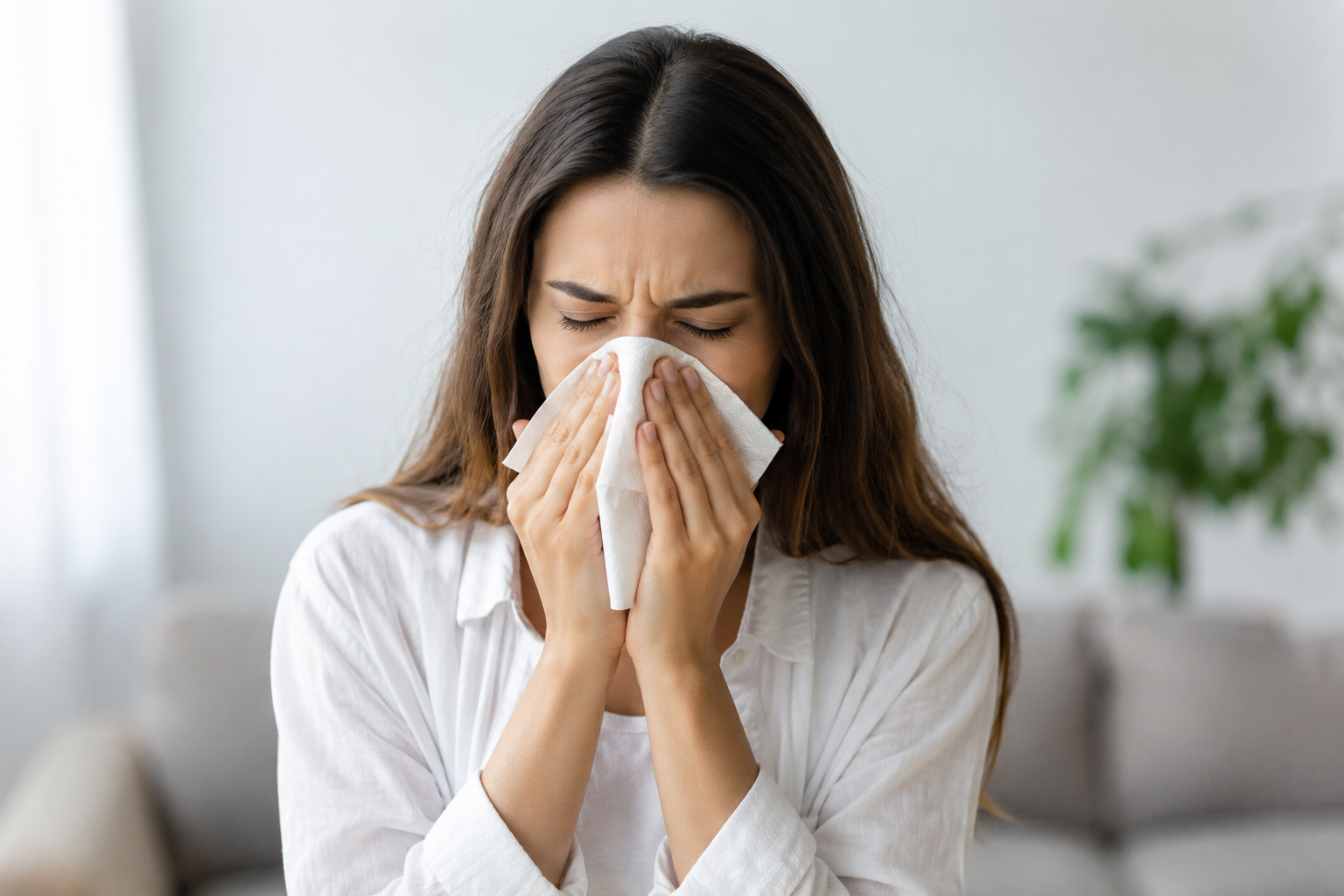
Allergies can affect the nose, eyes, respiratory system, skin and other parts of the body. For some people, allergic symptoms occur occasionally after exposure to a particular trigger. For others, allergies become recurrent or persistent and can interfere with sleep, school, work and everyday activities.
At Advance Homeopathy Clinic Dubai, we provide individualized homeopathic treatment for allergies in children and adults. Our clinics are located in Al Qusais and Dubai Silicon Oasis (DSO).
Our approach begins with understanding the diagnosed allergic condition as well as the individual pattern of symptoms. We assess when the allergy started, how frequently symptoms occur, possible triggers, factors that aggravate or relieve the symptoms, associated health problems and other characteristics relevant to the individual case.
Homeopathic prescribing is individualized. This means that two patients with the same allergy may not necessarily receive the same homeopathic medicine.
Advance Homeopathy Clinic is led by Dr. Aalim Dhandhukia, MD (Homeopathy), Medical Director and Homeopathy Practitioner, with more than 35 years of experience in homeopathic clinical practice and teaching.
Patients visit our Dubai clinics for homeopathic care related to allergic rhinitis, recurrent respiratory allergies, skin allergies, childhood allergies and other recurring allergic complaints.
Understanding Allergies and Allergic Reactions
An allergy develops when the immune system reacts to a substance that is normally harmless to most people. These substances are known as allergens.
Common allergens can include:
- Dust mites
- Pollen
- Mold
- Animal dander
- Certain foods
- Insect stings
- Medications
- Occupational allergens
- Other environmental substances
The type of allergic response varies between individuals. Some patients predominantly experience nasal symptoms, while others may develop respiratory, eye or skin symptoms.
Allergic conditions may also vary in frequency and severity. Symptoms can be seasonal, intermittent or persistent throughout the year.
Common Symptoms of Allergies
Depending on the type of allergy, symptoms may include:
- Repeated sneezing
- Runny or blocked nose
- Nasal itching
- Itchy or watery eyes
- Recurrent cough
- Wheezing
- Skin itching
- Redness
- Hives
- Eczematous skin changes
- Swelling
- Digestive symptoms associated with particular foods
Understanding exactly how, when and where the allergic symptoms occur is important for both medical diagnosis and individualized homeopathic assessment.
Common Allergy Triggers
Different patients may react to different triggers.
A person may notice symptoms after cleaning a dusty room, exposure to animals, changes in weather or during a particular season.
Others may experience symptoms throughout the year without recognizing an obvious trigger.
Identifying possible triggers forms an important part of the allergy history and can also help determine whether further allergy evaluation is necessary.
Common Types of Allergies
“Allergy” describes a broad group of conditions rather than a single disease.
Identifying the type of allergy is important because the clinical presentation, investigation and medical management can differ significantly.
Allergic Rhinitis and Nasal Allergies
Allergic rhinitis commonly produces symptoms such as:
- Repeated sneezing
- Watery nasal discharge
- Nasal obstruction
- Nasal itching
- Itching of the throat or palate
- Watery or itchy eyes
- Postnasal discharge
Some patients experience repeated sneezing immediately after waking. Others develop symptoms predominantly after exposure to dust, pollen, animals or environmental changes.
Allergic rhinitis can be seasonal or occur throughout the year.
Respiratory Allergies
Allergic sensitivity may affect the respiratory system and can be associated with:
- Recurrent cough
- Wheezing
- Chest tightness
- Breathing difficulty
- Night-time cough
- Early-morning respiratory symptoms
- Symptoms following exposure to allergens
Respiratory symptoms require appropriate medical assessment because asthma and other respiratory conditions may require specific treatment and monitoring.
Skin Allergies
Allergic and hypersensitivity conditions affecting the skin may produce:
- Itching
- Redness
- Dryness
- Recurrent eruptions
- Hives
- Swelling
- Eczematous changes
Understanding the distribution, duration, triggers and recurrence pattern helps establish the clinical picture.
Eye Allergies
Eye allergies may occur independently or together with allergic rhinitis.
Symptoms can include:
- Itching
- Watering
- Redness
- Burning
- Puffy eyelids
Persistent eye symptoms, pain or visual changes require appropriate medical or ophthalmological evaluation.
Food Allergies
Food allergy is different from food intolerance.
A true food allergy involves an immune reaction to a particular food and can sometimes result in serious allergic reactions.
Symptoms may include hives, swelling, vomiting, wheezing, breathing difficulty or anaphylaxis.
Patients with suspected food allergy should undergo appropriate medical evaluation. Known allergenic foods should not be deliberately reintroduced without appropriate specialist advice.
Why Do Some People Develop Recurrent Allergies?
Allergic conditions are influenced by a combination of genetic susceptibility, immune responses and environmental exposure.
A family history of allergic conditions may increase a person's likelihood of developing allergies.
Some individuals also experience different allergic manifestations at different stages of life.
For example, a child may develop eczema early in life and later experience allergic rhinitis or asthma-related symptoms.
This relationship between different allergic conditions makes the patient's complete allergy history particularly important.
The Atopic Tendency
The term atopy describes a tendency to develop allergic conditions such as atopic dermatitis, allergic rhinitis and asthma.
Not every patient follows the same pattern, but understanding whether several allergic conditions occur in the same individual or family can provide useful clinical information.
Environmental and Lifestyle Exposure
Environmental factors can influence the frequency or intensity of allergic symptoms in susceptible individuals.
Dust, indoor allergens, air pollution, occupational exposure, weather changes and other environmental factors may contribute to symptoms.
Rather than assuming a particular trigger, the patient's actual symptom pattern should be evaluated individually.
Our Approach to Homeopathic Treatment for Allergies
At Advance Homeopathy Clinic, homeopathic treatment begins with a detailed assessment of the patient's allergic condition.
The diagnosis is important, but individualized homeopathic prescribing also considers how the allergy manifests in that particular patient.
Two patients with allergic rhinitis, for example, may have completely different patterns of sneezing, nasal discharge, obstruction, triggers and associated symptoms.
These differences are considered during case analysis.
Detailed Allergy Case Assessment
During the consultation, the doctor may evaluate:
- Type of allergic condition
- Age of onset
- Duration of symptoms
- Frequency of allergic episodes
- Seasonal pattern
- Time of day symptoms are worse
- Environmental triggers
- Dust sensitivity
- Weather sensitivity
- Animal exposure
- Food-related symptoms
- Associated respiratory symptoms
- Associated skin conditions
- Previous allergy investigations
- Family history of allergies
- Current and previous treatment
The purpose is to establish a detailed picture of the allergic condition and the individual experiencing it.
Understanding Individual Triggers
Triggers can vary considerably.
One patient may experience intense sneezing after exposure to dust. Another may predominantly react to weather changes. Someone else may experience symptoms after contact with animals or during particular seasons.
Identifying these patterns helps both clinical management and individualized homeopathic assessment.
Individualized Homeopathic Prescription
Homeopathic medicines are selected according to the characteristic pattern of the individual case rather than simply because the patient has an allergy.
For example, patients with allergic rhinitis may differ in:
- Type of nasal discharge
- Pattern of sneezing
- Degree of nasal obstruction
- Associated eye symptoms
- Time of aggravation
- Environmental triggers
- Weather sensitivity
- Associated cough or wheezing
These individual differences help guide homeopathic remedy selection.
Follow-Up and Progress Assessment
Follow-up is important in recurrent allergic conditions.
Depending on the condition, progress may be assessed through changes in:
- Frequency of allergic episodes
- Intensity of symptoms
- Duration of attacks
- Sneezing frequency
- Nasal obstruction
- Frequency of cough or wheezing
- Sleep disturbance caused by symptoms
- Impact on school or work
- Requirement for symptomatic medication
- Associated skin symptoms
- Relevant clinical investigations
Treatment can then be reviewed according to the patient's progress.
Homeopathic Treatment for Allergic Rhinitis
Allergic rhinitis is one of the common allergic conditions for which patients seek homeopathic care.
Some patients experience occasional episodes, while others have symptoms frequently throughout the year.
The homeopathic assessment considers the diagnosis together with the individual symptom pattern.
Recurrent Sneezing and Runny Nose
Repeated sneezing may occur after waking, exposure to dust, changes in temperature or contact with other allergens.
Some patients experience predominantly watery nasal discharge, while others have itching, congestion or repeated bouts of sneezing.
The exact pattern helps individualize the case.
Nasal Blockage and Congestion
For some patients, nasal obstruction is more troublesome than sneezing.
Persistent nasal congestion can interfere with sleep and may contribute to mouth breathing and other upper respiratory complaints.
Persistent obstruction should be medically evaluated to determine whether allergy, structural problems or other conditions are contributing.
Seasonal and Perennial Allergic Rhinitis
Allergic rhinitis can be seasonal or perennial.
Seasonal allergic rhinitis occurs in relation to allergens prevalent during particular periods.
Perennial allergic rhinitis may produce symptoms throughout the year, particularly in patients sensitive to indoor allergens such as dust mites or animal dander.
Homeopathic Treatment for Respiratory Allergies
Respiratory allergies may present with recurrent cough, wheezing or asthma-related symptoms.
Before considering treatment, it is important to establish an appropriate medical diagnosis because recurrent respiratory symptoms can have several different causes.
Recurrent Allergic Cough
A recurrent cough may be associated with allergy, but other causes can include asthma, postnasal drainage, respiratory infection, reflux and other medical conditions.
The homeopathic assessment considers the character of the cough, timing, triggers, associated nasal symptoms and overall clinical pattern.
Persistent cough should be appropriately medically evaluated.
Allergy-Related Asthma
Allergens can trigger or aggravate asthma in susceptible individuals.
Symptoms may include:
- Wheezing
- Recurrent cough
- Chest tightness
- Breathlessness
- Night-time respiratory symptoms
Patients with asthma should continue their prescribed inhalers and medical treatment according to their doctor's advice.
Homeopathic treatment should not replace asthma controller medication, rescue inhalers or emergency medical care.
Homeopathic Treatment for Skin Allergies
Skin allergies and hypersensitivity conditions can be persistent or recurrent and may significantly affect comfort, sleep and daily activities.
The homeopathic consultation evaluates the skin condition together with the patient's broader allergic history.
Atopic Dermatitis and Eczema
Atopic dermatitis is commonly associated with an atopic tendency.
The presentation can differ according to the patient's age, location of lesions, severity, triggers and associated allergic conditions.
A detailed assessment may include the distribution of skin lesions, itching, aggravating factors, recurrence pattern and previous treatments.
Urticaria and Recurrent Hives
Urticaria causes raised, itchy swellings or hives that may appear suddenly.
Episodes may be associated with foods, medications, infections, environmental exposure or other factors, although a specific trigger is not always identified.
Recurrent urticaria should be appropriately evaluated.
Hives associated with breathing difficulty, tongue or throat swelling, dizziness or collapse require immediate emergency medical attention.
Homeopathy for Allergies in Children
Children frequently experience allergic conditions involving the nose, respiratory system and skin.
Parents may seek homeopathic care for children experiencing:
- Allergic rhinitis
- Recurrent sneezing
- Nasal congestion
- Recurrent allergic cough
- Childhood asthma
- Wheezing
- Atopic dermatitis
- Eczema
- Skin allergies
- Recurrent respiratory complaints
The homeopathic assessment considers the diagnosed condition together with the child's individual pattern of illness.
Understanding Your Child's Allergy Pattern
Parents often recognize patterns that provide valuable clinical information.
For example:
- Sneezing every morning
- Symptoms after dust exposure
- Cough during particular weather
- Symptoms following animal exposure
- Seasonal recurrence
- Night-time cough
- Associated eczema
- Recurrent nasal blockage
These observations help establish the characteristic pattern of the child's allergy.
Allergic Rhinitis, Eczema and Asthma in Children
Some children experience more than one allergic condition.
A child may have a history of eczema and subsequently develop allergic rhinitis or asthma symptoms.
Understanding this broader allergic history can be important when assessing children with recurrent allergies.
Children with asthma, significant food allergies, severe eczema or recurrent breathing problems should continue appropriate pediatric and specialist care.
Allergy Testing and Medical Diagnosis
An appropriate medical diagnosis is important before attributing recurring symptoms to allergy.
Depending on the patient's symptoms, history and severity, further medical evaluation or allergy testing may be recommended.
When Allergy Testing May Be Considered
An allergy specialist may consider testing when identifying a specific allergen would influence clinical management.
Testing may be relevant for suspected:
- Environmental allergies
- Dust mite allergy
- Pollen allergy
- Animal allergy
- Food allergy
- Other specific allergic sensitivities
The need for testing depends upon the individual clinical situation.
What to Bring to Your Homeopathic Consultation
If you have previously undergone investigations, bring the relevant reports to your consultation.
Useful records may include:
- Allergy test results
- Blood investigations
- Pulmonary function tests
- ENT reports
- Dermatology reports
- Pediatric reports
- Previous prescriptions
- Details of current medications
Reviewing existing medical information helps provide a more complete understanding of the case.
Managing Allergies Alongside Homeopathic Treatment
Managing allergies may involve several approaches depending upon the type and severity of the condition.
Where specific allergens have been identified, reducing exposure may be helpful when practical.
Necessary conventional treatment should continue alongside homeopathic care.
Reducing Exposure to Known Allergens
Depending upon the confirmed trigger, practical measures may help reduce exposure to:
- Dust mites
- Animal dander
- Mold
- Pollen
- Occupational allergens
- Other known triggers
Avoidance recommendations should be based on the patient's actual allergy rather than applying unnecessary restrictions.
Continuing Necessary Medical Treatment
Starting homeopathic treatment does not mean that patients should automatically discontinue antihistamines, inhalers, topical medications or other prescribed treatments.
Any change in prescribed medication should be discussed with the physician responsible for that treatment.
This is particularly important for patients with asthma, severe allergies, significant eczema or a history of serious allergic reactions.
When Allergies Require Urgent Medical Attention
Most allergic symptoms are not emergencies. However, severe allergic reactions can progress rapidly.
Seek immediate emergency medical attention for symptoms such as:
- Difficulty breathing
- Swelling of the tongue or throat
- Difficulty swallowing
- Severe wheezing
- Sudden widespread allergic reaction with breathing symptoms
- Dizziness or fainting
- Collapse
- Signs of anaphylaxis
Patients who have been prescribed an epinephrine/adrenaline auto-injector should follow the emergency action plan provided by their treating physician.
Homeopathy is not a substitute for emergency treatment of anaphylaxis or severe asthma attacks.
Homeopathic Treatment for Allergies at Advance Homeopathy Clinic Dubai
Advance Homeopathy Clinic provides individualized homeopathic consultations for children and adults with recurrent allergic conditions.
Our clinical approach considers:
- Medical diagnosis
- Type of allergy
- Pattern of symptoms
- Frequency of recurrence
- Individual triggers
- Associated nasal, respiratory or skin symptoms
- Previous treatment
- Relevant medical investigations
- Individual characteristics of the patient
Our aim is to provide structured homeopathic care while recognizing the importance of appropriate medical diagnosis, investigation and conventional treatment whenever required.
Frequently Asked Questions About Homeopathic Treatment for Allergies
Can Homeopathy Be Used for Allergies?
Patients seek homeopathic care for several allergic conditions, including allergic rhinitis, recurrent respiratory allergies and skin-related allergic complaints.
Whether homeopathic care is appropriate depends on the individual diagnosis, severity and clinical circumstances.
Is Homeopathic Treatment for Allergies Individualized?
Yes. Individualization is an important principle of homeopathic prescribing.
Two patients with the same diagnosed allergy may have different triggers, symptom patterns and associated complaints. Their homeopathic prescriptions may therefore differ.
Can Homeopathy Be Used for Allergic Rhinitis?
Patients with allergic rhinitis commonly seek homeopathic care for recurrent sneezing, nasal discharge, itching and congestion.
Persistent symptoms should be appropriately evaluated, particularly when associated with asthma, sinus problems or significant nasal obstruction.
Can Children with Allergies Receive Homeopathic Treatment?
Children with recurrent allergic conditions are commonly seen in homeopathic practice.
Treatment should be considered alongside appropriate pediatric assessment, particularly in children with asthma, food allergies, severe eczema or recurrent breathing problems.
Should I Stop Antihistamines When Starting Homeopathic Treatment?
No prescribed medication should be stopped simply because homeopathic treatment has been started.
Changes to existing medication should be discussed with the physician responsible for that treatment.
Can I Stop My Asthma Inhaler After Starting Homeopathy?
No.
Asthma medication should not be discontinued or reduced without appropriate medical supervision. Rescue medication should remain available according to the patient's asthma management plan.
Can Homeopathy Replace an Epinephrine Autoinjector for Severe Allergies?
No.
Patients at risk of anaphylaxis should follow the emergency plan provided by their treating doctor and carry their prescribed epinephrine/adrenaline auto-injector as directed.
Homeopathy cannot replace emergency treatment for anaphylaxis.
How Long Does Homeopathic Treatment for Allergies Take?
There is no standard duration applicable to every patient.
Treatment duration depends on factors such as the type of allergy, duration and severity of symptoms, frequency of recurrence, associated conditions and individual response.
Progress should be reviewed during follow-up consultations.
Book a Consultation for Homeopathic Treatment for Allergies in Dubai
If you or your child experiences recurrent allergic symptoms and you are considering homeopathic treatment for allergies in Dubai, you can book a consultation at Advance Homeopathy Clinic.
Our doctors assess the diagnosis, symptom pattern, triggers, medical history, previous treatments and relevant investigations before considering an individualized homeopathic treatment plan.
Advance Homeopathy Clinic Dubai
Al Qusais Branch
206, SAJAYA 2Al Qusais 1, Dubai, UAE
Dubai Silicon Oasis Branch
1808, SIT TowerDubai Silicon Oasis, Dubai, UAE
Book a consultation with Advance Homeopathy Clinic Dubai to discuss your allergy concerns and our individualized approach to homeopathic treatment.
